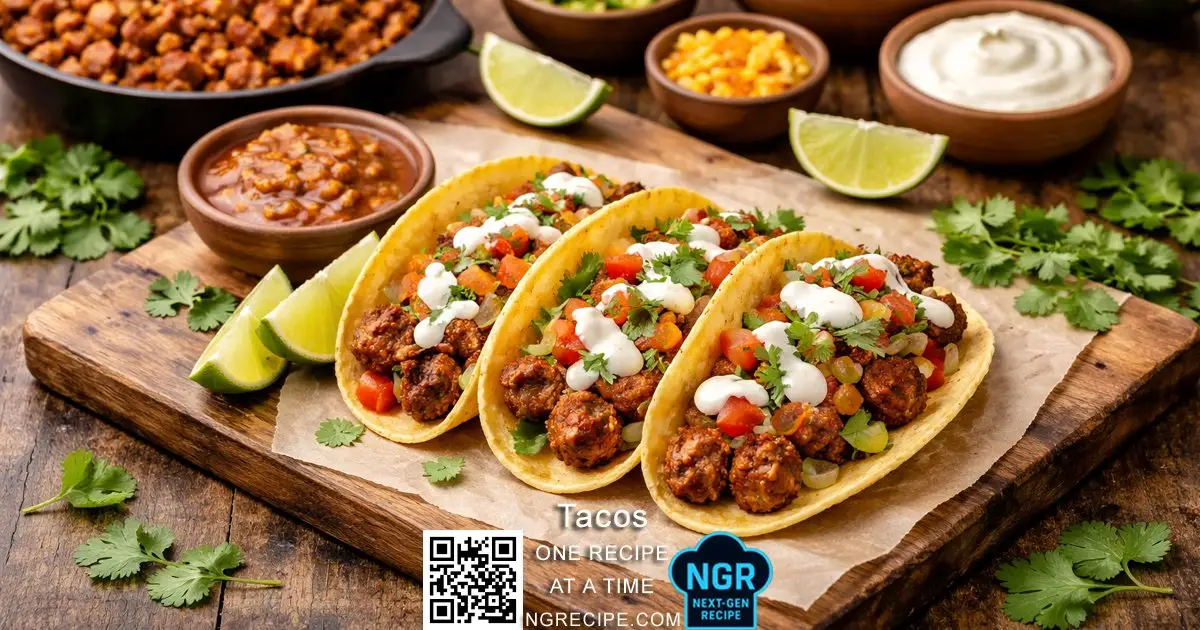
A taco may be filled with grilled meat, slow-cooked vegetables, beans, seafood, eggs, cheese, or many other ingredients. Its character also depends on the tortilla, salsa, seasoning, cooking method, and garnishes. Understanding these elements makes it easier to choose, prepare, serve, and enjoy tacos with greater confidence.
Quick Answer
A taco is a Mexican food built around a tortilla that holds or surrounds a filling. Corn tortillas are deeply rooted in Mexican food traditions, while flour tortillas are especially common in parts of northern Mexico and in many Mexican-influenced cuisines elsewhere.
Tacos can be soft, crisp, grilled, fried, steamed, or lightly toasted. They may contain meat, seafood, vegetables, beans, eggs, cheese, or combinations of these foods. Salsa, onion, coriander leaves, lime, cabbage, radish, avocado, and cheese are common additions, although the exact combination varies by region and taco style.
A well-made taco balances several elements: a flexible or crisp tortilla, a flavorful filling, enough moisture to keep the taco enjoyable, acidity to brighten the food, and garnishes that add freshness or texture.
What Is a Taco?
A taco is a tortilla-based food in which the tortilla acts as both the foundation and the eating utensil. The filling is placed on the tortilla, which is then folded, rolled loosely, or shaped around the food.
The word describes a broad food category rather than one single standardized dish. A taco served from a street stand in Mexico City may look very different from a fried taco served in another region or a home-style taco prepared with leftover vegetables. All can still belong to the wider taco family.
Most tacos are eaten by hand. Their size, structure, and filling should therefore work together. A tortilla that is too dry may split, while a filling that is too wet may make the taco difficult to hold. Good taco preparation is partly about managing this balance.
Are Tacos a Dish, a Meal, or a Food Format?
Tacos can be understood in several ways.
They are individual dishes when prepared in a particular style, such as a seafood taco or a slow-cooked meat taco. They can also form a complete meal when served in sufficient quantity with suitable sides. More broadly, the taco is a food format because the tortilla can carry many different ingredients.
This flexibility is one reason tacos appear in home cooking, street food, restaurants, celebrations, quick meals, and large shared gatherings.
The Mexican Roots of Tacos
Tacos are deeply connected to Mexican food culture and to the long history of maize-based cooking in the region. Corn tortillas have been central to food traditions in Mexico for generations, serving as everyday foods as well as practical ways to hold and eat other ingredients.
The modern taco did not develop from one single recipe or event. Different communities created their own combinations based on local crops, livestock, seafood, cooking methods, and daily eating habits.
Regional styles continue to reflect these differences. Coastal areas may feature fish or shrimp, northern areas commonly use flour tortillas and grilled meats, and central or southern regions may rely more heavily on corn tortillas, slow-cooked fillings, herbs, chiles, and distinctive salsas.
Tacos have also evolved outside Mexico. These adaptations may use different shells, cheeses, vegetables, sauces, and serving styles. They are often influenced by Mexican cooking while developing their own regional identities.
What Makes a Taco a Taco?
A taco normally has three essential components:
- A tortilla
- A filling
- A way of folding, holding, or enclosing the filling
Most tacos also include one or more finishing elements, such as salsa, chopped onion, herbs, lime juice, cheese, cabbage, or avocado.
Not every taco needs a long list of toppings. In many traditional styles, a few carefully chosen additions are enough. A strongly seasoned filling may need only onion, coriander leaves, salsa, and lime.
The tortilla remains essential. Replacing it with bread, pastry, or a lettuce leaf may create an enjoyable handheld food, but it changes the traditional identity of the taco.
Corn Tortillas and Flour Tortillas
The choice between corn and flour tortillas affects flavor, aroma, texture, flexibility, and the overall style of the taco.
Corn tortillas
Corn tortillas have an earthy maize flavor and are strongly associated with traditional Mexican tacos. They are commonly smaller than flour tortillas and pair especially well with grilled meat, slow-cooked fillings, seafood, beans, mushrooms, and strongly flavored salsas.
Fresh corn tortillas should feel soft and flexible. Warming them properly improves their aroma and helps prevent cracking.
Some tacos use two small corn tortillas together. This provides extra strength for juicy or heavy fillings and allows the lower tortilla to catch food that falls from the first.
Flour tortillas
Flour tortillas are soft, flexible, and mildly flavored. They are especially common in northern Mexican cooking and in many Mexican-influenced foods outside Mexico.
They work well with grilled beef, chicken, cheese, eggs, beans, and larger portions. Their flexibility makes them useful when the filling is substantial or when the taco is folded more tightly.
Which tortilla should you use?
Choose corn tortillas when you want a pronounced maize flavor, a smaller taco, or a style closely associated with central and southern Mexican traditions.
Choose flour tortillas when you want a softer, larger, or more flexible base, particularly for northern-style fillings, breakfast tacos, or generous combinations.
Neither option is automatically better. The right choice depends on the filling, regional style, desired texture, and personal preference.
Soft, Crispy, Fried, and Grilled Tacos
Tacos can be grouped by the way the tortilla is handled.
Soft tacos
Soft tacos use tortillas that are warmed until flexible. They are usually folded around the filling immediately before serving.
This style allows the flavor of the tortilla to remain noticeable and works well with fresh garnishes and juicy fillings.
Crispy tacos
Crispy tacos use tortillas that have been fried, baked, or otherwise cooked until firm. Some are folded into a shell shape before filling, while others become crisp during cooking with the filling inside.
Their appeal comes from contrast: a crisp shell surrounding soft, juicy, creamy, or crunchy ingredients.
Fried filled tacos
Some tacos are filled first and then fried. Depending on the regional preparation, they may be rolled, folded, or secured before cooking.
Because frying changes the tortilla’s structure, these tacos often need toppings that add freshness and moisture, such as lettuce, cabbage, salsa, cream, or cheese.
Griddled or toasted tacos
A tortilla may be lightly toasted on a dry pan or griddle before filling. This develops aroma and a few browned spots while preserving flexibility.
Tacos may also be cooked on the griddle after filling, particularly when cheese is used to help bind the ingredients.
Common Taco Fillings
Almost any well-prepared ingredient can become a taco filling, but the best fillings have concentrated flavor and a texture that is easy to eat inside a tortilla.
Meat fillings
Common meat fillings include:
- Grilled beef
- Slow-cooked beef
- Pork
- Chicken
- Goat
- Lamb
- Sausage
- Organ meats
The meat may be grilled, roasted, braised, simmered, fried, or cooked on a rotating spit. The cooking method affects tenderness, browning, moisture, and seasoning.
Seafood fillings
Fish and shellfish are especially common in coastal taco traditions. They may be grilled, battered, fried, seared, or gently cooked.
Seafood tacos often pair well with cabbage, lime, creamy sauces, fresh salsa, avocado, and pickled vegetables.
Vegetable fillings
Vegetable tacos can be just as substantial as meat-based versions when the vegetables are properly seasoned and cooked.
Useful options include:
- Mushrooms
- Potatoes
- Cauliflower
- Courgette
- Peppers
- Aubergine
- Sweet potato
- Squash
- Maize
- Cactus paddles
- Roasted onions
Browning, roasting, grilling, or sautéing vegetables helps deepen their flavor. Beans, cheese, seeds, or avocado can add richness and substance.
Beans and legumes
Beans are practical, affordable, and flavorful taco fillings. They may be served whole, mashed, seasoned, or combined with vegetables, cheese, eggs, or meat.
Their soft texture benefits from a crisp or fresh contrast, such as cabbage, radish, onion, toasted seeds, or pickled vegetables.
Egg fillings
Egg tacos are commonly served for breakfast or as a quick meal. Eggs may be combined with beans, potatoes, sausage, cheese, salsa, vegetables, or leftover cooked ingredients.
Because eggs are mild, they benefit from well-seasoned accompaniments and a fresh or acidic finish.
Common Taco Styles
There are many regional and local taco styles. The following examples show how different tortillas, fillings, and cooking methods create distinct results.
Tacos al pastor
These tacos usually feature seasoned pork cooked on a vertical spit and sliced into small pieces. They are often served on corn tortillas with onion, coriander leaves, salsa, and sometimes pineapple.
The style reflects a meeting of Mexican ingredients and spit-roasting techniques introduced through migration and cultural exchange.
Tacos de carnitas
Carnitas tacos contain pork cooked slowly until tender, often with a mixture of soft and browned pieces. The meat is commonly served with onion, coriander leaves, salsa, and lime.
Tacos de barbacoa
Barbacoa tacos feature meat cooked slowly until tender. The exact meat and cooking method vary by region. The filling is often rich and deeply seasoned, making fresh onion, herbs, salsa, and lime useful companions.
Tacos de birria
Birria tacos use meat cooked in a seasoned broth or sauce until tender. Some versions are served soft, while others are griddled until the tortilla becomes crisp and richly colored.
Carne asada tacos
Carne asada tacos are made with grilled beef, usually chopped or sliced before serving. Their flavor depends heavily on good browning, proper seasoning, and not overcooking the meat.
Fish tacos
Fish tacos may contain grilled or fried fish. Cabbage, lime, salsa, and creamy sauces are common additions because they provide freshness, acidity, and texture.
Tacos de canasta
These tacos are prepared in batches and kept warm in a basket or covered container. The trapped steam softens the tortillas and helps the filling and tortilla become closely integrated.
Tacos dorados
Tacos dorados are fried until golden and crisp. They may be folded or rolled and are often served with fresh toppings that balance the fried texture.
Breakfast tacos
Breakfast tacos commonly include eggs, beans, potatoes, cheese, sausage, or combinations of these ingredients. Flour tortillas are frequently used, especially in northern Mexican and Texan food traditions.
Salsas and Their Role in Tacos
Salsa is not simply a decorative topping. It can provide heat, acidity, moisture, fruitiness, smokiness, sweetness, and seasoning.
Different salsas suit different fillings:
- Fresh tomato salsa adds juiciness and brightness.
- Tomatillo salsa brings tartness and a fresh green flavor.
- Roasted salsa offers deeper, smokier notes.
- Dried-chile salsa can add concentrated flavor and controlled heat.
- Avocado-based salsa contributes richness and a smooth texture.
- Fruit salsa can complement seafood, grilled meat, or spicy fillings.
A salsa should support the taco rather than overwhelm it. Very watery salsa can weaken the tortilla, while an excessively hot salsa may hide the flavor of the filling.
Serving salsa separately allows each person to control the amount.
Common Taco Garnishes
Garnishes contribute more than appearance. Each one should add freshness, acidity, richness, aroma, heat, or texture.
Common choices include:
- Chopped onion
- Coriander leaves
- Lime wedges
- Radish
- Cabbage
- Lettuce
- Avocado
- Crumbled or grated cheese
- Pickled onion
- Pickled chiles
- Fresh tomato
- Cucumber
- Mexican-style cream
- Toasted seeds
The best garnishes depend on the filling. Rich meat often benefits from onion, herbs, lime, and a sharp salsa. Fried fish may work well with cabbage and a creamy sauce. Beans can benefit from cheese, radish, salsa, or pickled vegetables.
Using too many garnishes can make a taco difficult to eat and may blur the flavor of the main filling.
What Tacos Taste Like
There is no single taco flavor. A taco may be smoky, spicy, savoury, tangy, rich, fresh, earthy, creamy, crisp, or mildly sweet.
The final flavor develops through several layers:
- The tortilla provides maize or wheat flavor.
- The filling provides the central seasoning and substance.
- Salsa supplies moisture, acidity, chile flavor, or heat.
- Garnishes add freshness, aroma, richness, or crunch.
- Lime or pickles sharpen the overall taste.
A satisfying taco usually includes contrast. Richness may be balanced with acidity, soft ingredients with crunchy garnishes, and spicy salsa with cooling avocado or cream.
How Tacos Are Used in Everyday Food
Tacos can be served as breakfast, lunch, dinner, a snack, street food, or party food. They are well suited to both simple and elaborate meals.
At home, tacos are useful for:
- Serving cooked ingredients in a flexible format
- Turning leftovers into a new meal
- Allowing family members to choose their own fillings
- Preparing a quick meal from beans, eggs, vegetables, or cooked meat
- Serving several dietary preferences at one table
- Using seasonal vegetables
- Building a shared meal without complicated plating
A taco meal does not have to include many separate components. Warm tortillas, one well-prepared filling, a suitable salsa, and a fresh garnish can be enough.
How Tacos Appear in Recipes
Taco recipes may focus on the filling, tortilla, salsa, or the complete combination. Some recipes recreate established regional styles, while others use the taco format to present seasonal or locally available ingredients.
The most useful taco recipes explain how the components work together. A good filling alone does not guarantee a good taco. The recipe must also consider tortilla size, moisture, serving temperature, garnishes, and how the taco will be held.
Tacos also connect naturally with recipes for beans, grilled foods, roasted vegetables, salsas, pickles, rice dishes, salads, and drinks.
Choosing the Right Taco Style
Start with the eating experience you want.
For a fresh, flexible taco, choose warm soft tortillas with a juicy filling and crisp garnishes.
For stronger texture, choose a fried or baked tortilla and fillings that will not make it soggy immediately.
For a quick meal, use cooked beans, eggs, leftover meat, roasted vegetables, or cheese.
For a shared gathering, offer a small selection of fillings and garnishes rather than an overwhelming number of choices.
For a more traditional regional style, study the tortilla, filling, salsa, and garnishes as a complete combination. Replacing one major element may significantly change the character of the taco.
Ingredients That Pair Well With Tacos
Taco pairings depend on the filling, but several ingredient groups are especially useful.
Acidic ingredients
Acidity brightens rich, fatty, or fried fillings.
Useful options include:
- Lime juice
- Pickled onion
- Pickled jalapeño
- Tomatillo salsa
- Fresh tomato salsa
- Vinegar-based slaw
Fresh herbs and vegetables
Fresh ingredients add aroma, color, and contrast.
Common options include:
- Coriander leaves
- Onion
- Radish
- Cabbage
- Lettuce
- Cucumber
- Tomato
- Spring onion
Creamy ingredients
Creamy elements soften heat and add richness.
Common options include:
- Avocado
- Guacamole
- Cream
- Soft cheese
- Melted cheese
- Yoghurt-based sauces in adapted preparations
Smoky and roasted ingredients
These deepen the flavor of grilled meat, beans, seafood, and vegetables.
Useful options include:
- Roasted chiles
- Charred onion
- Grilled spring onion
- Roasted tomato
- Smoked spices
- Toasted seeds
Taco Filling Substitutions
Tacos are adaptable, but substitutions work best when they preserve the original role of the ingredient.
For meat, consider mushrooms, beans, lentils, cauliflower, potatoes, tofu, or other plant-based ingredients that can be browned and seasoned.
For dairy cheese, use avocado, a dairy-free cheese alternative, seasoned beans, or a creamy seed-based sauce, depending on the desired texture.
For coriander leaves, use finely sliced spring onion, parsley, cabbage, radish leaves, or another fresh herb that suits the filling.
For lime, use another mild citrus or a small amount of suitable vinegar. Add it gradually because different acids vary in strength.
For corn tortillas, flour tortillas may be used when appropriate. The flavor and texture will change, but the taco format will remain practical.
For flour tortillas, use corn tortillas when a smaller size and stronger maize flavor suit the filling.
How to Choose Good Tortillas
Good tortillas should smell fresh and feel suitable for their intended use.
Corn tortillas should be soft enough to bend after warming without breaking immediately. A pleasant maize aroma is a good sign. Extremely dry edges or a stale smell may indicate poor quality or improper storage.
Flour tortillas should be flexible, evenly cooked, and free from an unpleasant raw-flour taste. Very thick tortillas may dominate delicate fillings, while very thin ones may tear under heavy ingredients.
Match the tortilla size to the filling. Small tortillas suit concentrated portions, while larger tortillas can support eggs, beans, grilled meat, or several combined ingredients.
How to Warm Tortillas
Warming improves flexibility, aroma, and flavor. It also helps prevent cracking.
Tortillas can be warmed briefly on a dry pan, griddle, or other hot cooking surface. Turn them as needed so they heat evenly without becoming hard.
They can also be warmed in a covered stack so that gentle steam keeps them soft. Avoid trapping excessive moisture, which can make them sticky.
Once warmed, keep tortillas wrapped in a clean cloth or enclosed in a tortilla warmer until serving. Do not leave them exposed for long periods because they cool and dry quickly.
How to Build a Better Taco
A taco should be easy to hold and balanced from the first bite to the last.
Begin with a warm tortilla. Add a controlled amount of filling, leaving enough room to fold the tortilla comfortably.
Add salsa sparingly at first. Watery salsa should be drained slightly or served separately.
Finish with only the garnishes that improve the filling. A rich taco may need acidity and freshness. A lean filling may benefit from avocado, cheese, or a creamy sauce.
Serve the taco immediately. Even a well-constructed taco can soften or split if it sits for too long after being assembled.
Serving Tacos for a Group
Tacos work especially well for shared meals because many components can be prepared separately.
For an organized taco table:
- Keep tortillas warm and covered.
- Serve hot fillings in heat-safe containers.
- Place cold garnishes in separate bowls.
- Offer at least one mild salsa.
- Label very hot salsas clearly.
- Provide lime wedges and napkins.
- Keep raw ingredients separate from cooked meat.
- Refill small serving dishes instead of leaving large amounts out for extended periods.
A focused selection is usually easier to manage than a very large buffet. One or two fillings, two salsas, and a few garnishes can provide enough choice without creating waste.
Side Dishes That Work With Tacos
Tacos can be served alone or as part of a larger meal.
Common companions include:
- Beans
- Rice
- Grilled vegetables
- Fresh salad
- Cabbage slaw
- Roasted maize
- Pickled vegetables
- Soup
- Fresh fruit
- Tortilla chips with salsa
Choose side dishes that complement rather than repeat the taco filling. Rich fried tacos may pair well with a fresh salad or pickled vegetables, while lighter seafood tacos may suit beans, rice, or grilled maize.
How to Store Taco Components
For the best texture, store tortillas, fillings, salsa, and garnishes separately.
Cooked fillings should be cooled promptly and refrigerated in covered containers. Very juicy fillings may release more liquid during storage, so excess liquid can be stored separately when practical.
Fresh garnishes such as chopped onion, cabbage, and herbs should be refrigerated. Keep them as dry as possible to preserve crispness.
Salsas should be stored in clean, covered containers. Fresh salsa may lose texture more quickly than cooked or roasted salsa.
Tortillas should be sealed well to prevent drying. Follow the storage guidance on the package or from the producer, since fresh and commercially packaged tortillas may have different requirements.
Assembled tacos are usually best eaten immediately. Once filled, tortillas absorb moisture and may become soggy, tough, or fragile.
Can You Freeze Tacos?
Many taco components can be frozen, but complete assembled tacos do not always freeze well.
Cooked meat, beans, and some vegetable fillings can usually be frozen in suitable airtight containers. Cool them before freezing and divide them into practical portions.
Fresh salsa, cabbage, lettuce, radish, herbs, avocado, and cream-based toppings are generally better added after reheating rather than frozen with the filling.
Corn and flour tortillas can often be frozen. Separate them into manageable stacks and seal them carefully to prevent freezer drying. Thaw them while covered, then warm them before serving.
Fried tacos may lose some crispness after freezing and reheating. Reheating with dry heat may restore more texture than using a method that produces steam.
Nutrition Overview
The nutritional content of tacos varies widely because tacos are a food format rather than a fixed recipe.
The tortilla usually contributes carbohydrate, while the filling may provide protein, fat, fibre, and additional carbohydrate. Beans and vegetables can increase fibre. Meat, seafood, eggs, beans, and cheese can contribute protein. Avocado, cheese, cream, and fried shells can increase fat and energy content.
Salsa and fresh vegetables can add flavor and texture without requiring large portions of rich toppings. However, some commercial salsas, seasoned meats, cheeses, and packaged tortillas may contain considerable sodium.
A balanced taco meal may include:
- A suitable source of protein
- Vegetables or fresh garnishes
- A moderate amount of rich sauce or cheese
- Tortillas in a portion that fits the meal
- Beans, salad, or vegetables as side dishes
Individual nutritional needs vary. People managing allergies, intolerances, or specific dietary conditions should check ingredients and seek qualified guidance when necessary.
Flavor, Texture, and Aroma Notes
The tortilla and filling should complement each other.
A delicate fish filling may be overwhelmed by a very thick tortilla. A heavy, juicy meat filling may break a thin or poorly warmed tortilla. A strongly spiced filling may need fresh garnishes, while a mild filling may benefit from a more assertive salsa.
Texture is equally important. Effective combinations include:
- Tender meat with crisp onion
- Soft beans with crunchy radish
- Fried fish with fresh cabbage
- Roasted vegetables with creamy avocado
- Soft eggs with crisp potatoes
- Melted cheese with a sharp salsa
Aroma develops most strongly when tortillas and fillings are served warm. Fresh herbs, lime, roasted chiles, and charred ingredients add fragrance immediately before eating.
Common Taco Mistakes
Using cold tortillas
Cold tortillas are often stiff, less aromatic, and more likely to crack. Warm them shortly before serving.
Overfilling the tortilla
Too much filling makes the taco difficult to fold and causes food to fall out. Use a smaller portion and serve another taco when needed.
Adding too much watery salsa
Excess liquid weakens the tortilla. Use a thicker salsa, drain very watery ingredients, or add salsa immediately before eating.
Using too many toppings
A large number of toppings can hide the filling and make the taco unstable. Choose additions that have a clear purpose.
Serving everything at the wrong temperature
Hot fillings should be hot, cold garnishes should remain fresh, and tortillas should be warm. Poor temperature control reduces both quality and safety.
Under-seasoning the filling
A tortilla and several garnishes can dilute flavor. The filling should taste properly seasoned before it enters the taco.
Relying only on heat
A very spicy taco is not automatically a flavorful taco. Chile heat should be supported by acidity, salt, aroma, sweetness, smokiness, or richness.
Preparing tacos too early
Assembled tacos deteriorate quickly. Keep the components separate and build them just before serving.
Practical Taco Tips
- Warm tortillas in small batches so they remain soft.
- Keep warmed tortillas covered.
- Taste the filling before preparing the serving area.
- Use two corn tortillas for especially juicy or heavy fillings.
- Chop large filling pieces into bite-sized portions.
- Drain excessive cooking liquid when necessary.
- Provide salsa separately for shared meals.
- Include at least one acidic garnish.
- Include one fresh or crisp element when the filling is soft.
- Prepare cold garnishes before heating the filling.
- Assemble tacos only when people are ready to eat.
- Store leftover components separately.
Food Safety Notes
Raw meat, poultry, seafood, and eggs should be handled separately from tortillas, garnishes, salsa, and cooked foods.
Use separate utensils or wash them thoroughly after contact with raw ingredients. Clean chopping boards, work surfaces, and hands before preparing ready-to-eat toppings.
Cook meat, poultry, seafood, and eggs to safe temperatures appropriate for the ingredient. Ground meat requires especially careful cooking because bacteria can be distributed throughout it.
Refrigerate perishable taco components promptly. Do not leave cooked fillings, dairy products, seafood, chopped vegetables, or fresh salsa at room temperature for extended periods.
When serving a group, use smaller containers and replace them as needed. This helps maintain safer temperatures and fresher textures.
Reheat leftovers thoroughly and discard food that has developed an unusual smell, appearance, or texture.
Key Takeaways
Tacos are a broad Mexican food category built around tortillas and fillings. Their identity depends on the relationship between the tortilla, filling, salsa, garnishes, cooking method, and regional tradition.
Corn tortillas are central to many traditional Mexican tacos, while flour tortillas are important in northern Mexican and other regional styles.
A successful taco balances flavor, moisture, temperature, and texture. Warm tortillas, properly seasoned fillings, controlled salsa, and purposeful garnishes make the greatest difference.
Tacos can contain meat, seafood, beans, eggs, cheese, or vegetables. They can be soft, crisp, fried, steamed, toasted, or griddled.
For the best quality and food safety, prepare components separately, store them correctly, and assemble tacos immediately before serving.
FAQ
Is the correct word taco or tacos?
“Taco” is singular and refers to one taco. “Tacos” is plural and refers to two or more. For a broad article about the entire food category, “Tacos” is usually the more natural title.
Are tacos always Mexican?
Tacos are rooted in Mexican food culture. Many taco styles prepared elsewhere are adaptations influenced by Mexican ingredients, cooking methods, and food traditions.
Are traditional tacos soft or hard?
Many traditional Mexican tacos use soft corn or flour tortillas. Fried and crisp tacos also exist within Mexican cooking, but the rigid pre-shaped shell is only one form of taco.
Are corn or flour tortillas more traditional?
Corn tortillas have ancient roots in Mexican food culture and are central to many taco styles. Flour tortillas are also traditional in parts of northern Mexico. The appropriate choice depends on the region and filling.
Why do some tacos use two tortillas?
Two small corn tortillas provide additional support for juicy or heavy fillings. The second tortilla can also catch filling that falls through or around the first.
How many tacos make a meal?
The amount depends on taco size, filling, side dishes, and individual appetite. Small street-style tacos are usually eaten in greater numbers than large flour-tortilla tacos.
What is the best cheese for tacos?
There is no single best cheese. The right choice depends on the taco style. Fresh crumbly cheeses, melting cheeses, and aged cheeses can all work, but many tacos do not require cheese at all.
Can tacos be made without meat?
Yes. Beans, mushrooms, potatoes, cauliflower, squash, eggs, cheese, lentils, tofu, and roasted vegetables can all form satisfying taco fillings.
How do you keep corn tortillas from breaking?
Warm them until soft and flexible, keep them covered, and avoid overfilling. Very dry or stale tortillas are more likely to crack.
How do you keep tacos from becoming soggy?
Store components separately, drain overly wet fillings, control the amount of salsa, and assemble tacos immediately before eating.
Can taco fillings be prepared in advance?
Many cooked fillings can be prepared ahead, refrigerated safely, and reheated before serving. Fresh garnishes and tortillas are usually best prepared or warmed close to serving time.
Can leftover food be used in tacos?
Yes. Cooked meat, beans, roasted vegetables, potatoes, eggs, and other leftovers can work well when reheated safely, properly seasoned, and paired with suitable tortillas and garnishes.
Are tacos healthy?
Tacos can support many different eating patterns, but their nutritional value depends on the tortilla, filling, cooking method, toppings, portion size, and side dishes. Tacos containing vegetables, beans, lean proteins, and moderate amounts of rich toppings can form a balanced meal.
What is the difference between a taco and a burrito?
A taco is generally smaller and folded around the filling without being fully enclosed. A burrito is usually made with a larger flour tortilla that is wrapped around the filling and closed more completely.
Should taco salsa be served hot or cold?
It depends on the salsa and taco style. Fresh salsa is commonly served cool or at room temperature, while roasted or cooked salsa may be served warm, cool, or at room temperature. The salsa should complement the temperature and texture of the filling.