Veggie Burger
A wholesome, flavorful plant-based burger made from a hearty blend of vegetables, legumes, and binders, shaped into patties and cooked until crisp on the outside and tender inside.
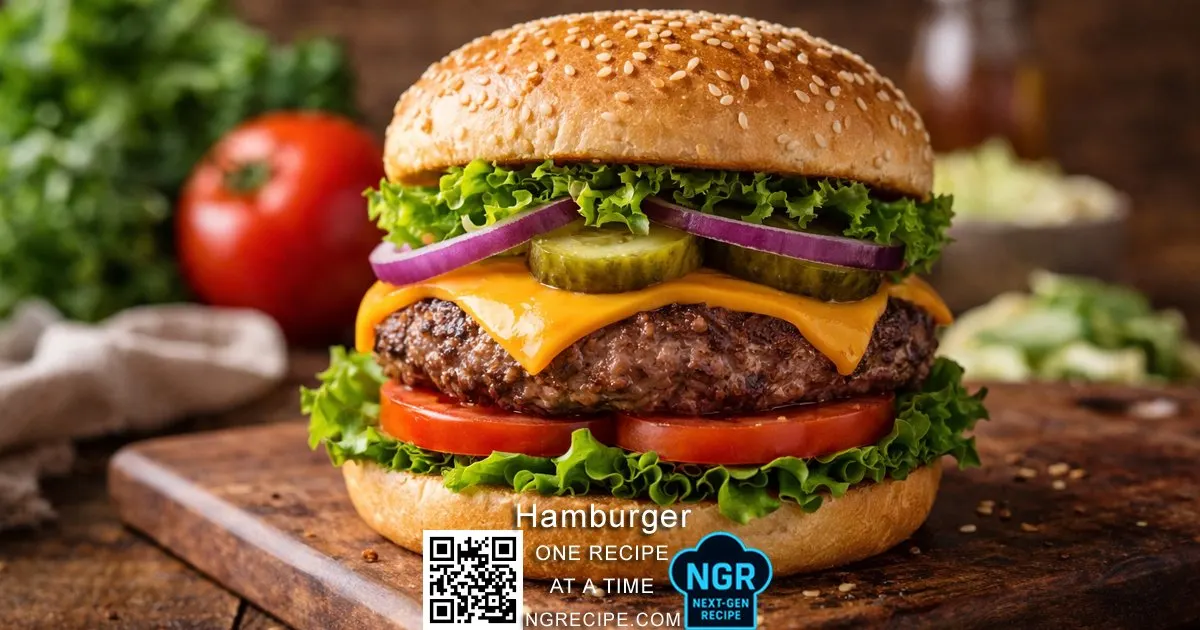
Quick Recipe Card
What This Recipe Is
A veggie burger is a plant-based alternative to a traditional meat burger, designed to deliver satisfying texture, balanced flavor, and structural integrity using vegetables, legumes, and binding ingredients.
Ingredients
- 400 g (2 cups) cooked beans (black beans or chickpeas), mashed
- 100 g (1 cup) grated carrot
- 100 g (1 cup) finely chopped onion
- 2 cloves garlic, minced
- 50 g (1/2 cup) breadcrumbs
- 1 egg (or flax egg for vegan option)
- 10 ml (2 tsp) vegetable oil
- 5 g (1 tsp) salt
- 2 g (1/2 tsp) black pepper
- 5 g (1 tsp) dried herbs (oregano or parsley)
Equipment
- Mixing bowl
- Frying pan or grill pan
- Spatula
- Knife and cutting board
- Grater
Instructions
Step 1:
Heat 5 ml (1 tsp) oil in a pan and sauté onion and garlic until soft.
Step 2:
In a bowl, combine mashed beans, sautéed vegetables, grated carrot, breadcrumbs, egg, salt, pepper, and herbs.
Step 3:
Mix thoroughly until a cohesive mixture forms.
Step 4:
Shape into 4 equal patties.
Step 5:
Rest patties for 10 minutes to firm up.
Step 6:
Heat remaining oil in a pan over medium heat.
Step 7:
Cook patties for 4–5 minutes per side until golden and firm.
Step 8:
Remove and rest briefly before serving.
Visual Cooking Cues
- Patties hold shape when flipped
- Surface turns golden brown
- Edges appear slightly crisp
Chef Tips
- Chill patties before cooking for better structure.
- Avoid over-mashing beans to maintain texture.
- Use a non-stick pan to prevent sticking.
Common Mistakes
- Too much moisture causing breakage
- Overcrowding pan leading to steaming
- Flipping too early
Troubleshooting
- Patties falling apart: Add more breadcrumbs
- Too dry: Add a small amount of oil or mashed beans
- Not crisping: Increase heat slightly
Ingredient Pairings
- Burger buns
- Lettuce
- Tomato
- Cheese
- Sauces (ketchup, mayo, mustard)
Substitutions
- Beans: Lentils
- Egg: Flax egg
- Breadcrumbs: Oats
Recipe Family Variations
- Spicy veggie burger with chili
- Cheese-stuffed veggie burger
- Herb-focused version
Serving Suggestions
Serve in a bun with fresh vegetables and sauces or as a standalone patty with salad.
Dietary Classification
- Vegetarian
- Vegan (if egg replaced)
- Dairy-free
Nutrition Information
- Calories: ~180 kcal
- Protein: ~8 g
- Fat: ~6 g
- Carbohydrates: ~22 g
- Fiber: ~6 g
- Sodium: ~300 mg
Storage / Reheating
Storage
Refrigerate cooked patties in an airtight container for up to 3 days.
Reheating
Reheat in a pan over medium heat until warmed through.
FAQ
Can I freeze veggie burgers?
Yes, freeze before or after cooking.
Why are my patties soft?
Excess moisture or insufficient binder.
Can I bake instead of fry?
Yes, bake at 180°C (356°F) for 20 minutes.
Why This Recipe Works
The combination of mashed legumes and breadcrumbs provides structure, while sautéed vegetables reduce moisture and enhance flavor. Proper heat management ensures a crisp crust without breaking the patty.
Recipe Identity
A vegetarian burger patty made from mashed legumes, sautéed vegetables, and binders, formed and cooked to achieve a firm yet juicy texture.
Dish Classification
- Dish type: Burger
- Course: Main course
- Meal type: Lunch, Dinner
- Traditional or modern dish: Modern
- Street food or home cooking: Both
- Festival or everyday food: Everyday food
Recipe History
Veggie burgers emerged in the late 20th century as plant-based diets gained popularity, especially in Western countries, offering a sustainable and vegetarian-friendly alternative to meat burgers.
Cultural Notes
Widely adapted globally as a plant-based alternative to traditional burgers.
Advanced Cooking Knowledge Open detailed cooking science and reference notes
Flavor, Texture, and Aroma Profile
- Flavor: Savory, mildly earthy, slightly nutty
- Texture: Crisp exterior, soft and cohesive interior
- Aroma: Warm, toasted, herbaceous
Flavor Balance
Balanced umami from legumes, mild sweetness from vegetables, and aromatic herbs for depth.
Flavor Components
- Sweet: Carrots, onions
- Salt: Added salt
- Acid: Optional lemon juice or condiments
- Bitter: Minimal, from vegetables
- Umami: Beans, sautéed onions
- Aromatic elements: Garlic, herbs
Ingredient Notes
- Beans must be well-drained to avoid soggy patties.
- Breadcrumbs act as a moisture absorber and binder.
- Egg provides structure; flax egg can replace it.
Ingredient Science
- Starch in beans helps binding when mashed.
- Breadcrumbs absorb excess moisture, preventing breakage.
- Heat coagulates proteins in egg, stabilizing the patty.
Ingredient Roles
- Beans: Base structure and protein
- Vegetables: Flavor and moisture
- Breadcrumbs: Binding and texture
- Egg: Structural cohesion
- Oil: Cooking medium
Ingredient Classification
- Primary: Beans
- Secondary: Vegetables
- Functional: Binder (egg, breadcrumbs)
- Seasoning: Salt, pepper, herbs
Preparation Techniques
- Mashing beans to a coarse consistency
- Finely chopping vegetables
- Mixing evenly for consistent texture
Cooking Techniques
- Pan-frying for crust formation
- Optional grilling for smoky flavor
Heat Management
- Low heat stages: Sauté onions and garlic gently
- Medium heat stages: Cook patties evenly
- High heat stages: Brief sear for crust
- Temperature cues: Oil should shimmer but not smoke (~170–180°C / 338–356°F)
Texture Development
Moisture reduction and proper binding create a firm interior, while surface contact with hot oil creates a crisp crust.
Cooking Time Control
Cook each side for 4–5 minutes until golden brown without overcooking.
Flavor Pairing Logic
Neutral base allows pairing with fresh, acidic, and creamy elements to balance texture and taste.
Global Variations
- Indian-style with spices
- Mediterranean-style with chickpeas and herbs
- American-style classic burger format
Leftover Ideas
- Crumble into wraps
- Add to salads
- Use in sandwiches
Cooking Safety Notes
Ensure patties are heated thoroughly to safe internal temperature.
Sustainability Notes
Plant-based ingredients reduce environmental impact compared to meat.
