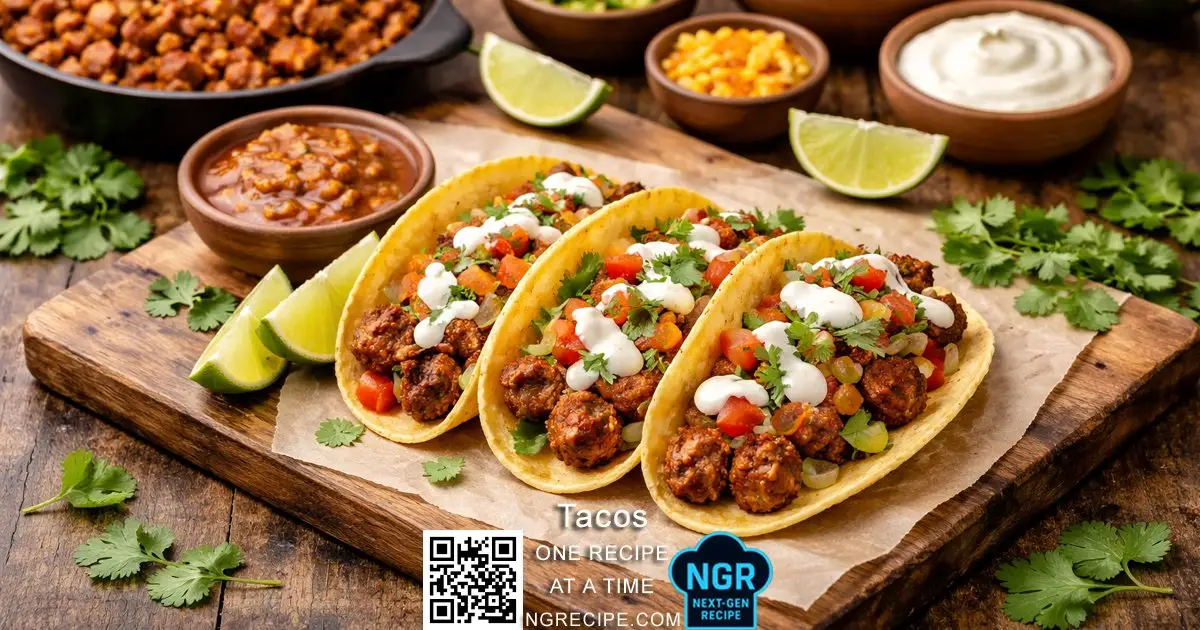
This guide explains tomatoes in a practical, reader-friendly way: what they are, how they taste, how to choose them, how to store them, when to use fresh or canned tomatoes, how they behave in cooking, what they pair with, and how to avoid common tomato mistakes in everyday food.
Quick Answer
Tomato is a juicy edible fruit that is used as a vegetable in cooking. It is valued for its balance of sweetness, acidity, moisture, color, and savory depth. Tomatoes are used fresh in salads and sandwiches, cooked into sauces and soups, blended into drinks, roasted for sweetness, and preserved as canned tomatoes, paste, puree, passata, and sun-dried tomatoes.
In the kitchen, tomatoes matter because they can build flavor in many different ways. Fresh tomatoes bring brightness and juiciness. Cooked tomatoes bring body, richness, and deeper savory flavor. Tomato paste adds concentrated intensity. Canned tomatoes offer consistency when fresh tomatoes are out of season.
The best tomato depends on the use. Juicy slicing tomatoes are good for sandwiches and salads. Small cherry or grape tomatoes are good for quick cooking and snacking. Plum tomatoes are useful for sauces. Canned tomatoes are often better for slow-cooked sauces when fresh tomatoes are watery or bland.
Tomatoes should usually be kept at room temperature until ripe. Fully ripe tomatoes can be refrigerated for a short time if needed, especially in warm kitchens, but they taste best when brought back toward room temperature before serving.
What Is Tomato?
Tomato is the edible fruit of the tomato plant. It is usually round or oval, soft when ripe, and filled with juicy flesh and small edible seeds. Tomatoes come in many sizes, colors, and shapes, from tiny cherry tomatoes to large beefsteak tomatoes and from bright red varieties to yellow, orange, green, purple, and striped types.
Although tomato is botanically a fruit, it is treated as a vegetable in everyday cooking because it is commonly used in savory dishes. It is not usually eaten like a sweet dessert fruit. Instead, it appears in salads, sauces, soups, stews, sandwiches, pasta dishes, rice dishes, curries, relishes, salsas, and many cooked meals.
Tomato has become a global kitchen ingredient because it adapts beautifully to different cuisines. It can taste light and fresh, deep and cooked, sweet and roasted, acidic and sharp, or mellow and savory depending on variety, ripeness, and cooking method.
Is Tomato a Fruit or a Vegetable?
Tomato is botanically a fruit because it develops from the flower of the tomato plant and contains seeds. In cooking, however, tomato is usually treated as a vegetable because it is used mostly in savory meals.
Both descriptions can be correct depending on context.
- Botanically, tomato is a fruit.
- Culinarily, tomato is used like a vegetable.
- In everyday cooking, tomato belongs with savory ingredients such as onion, garlic, herbs, peppers, olive oil, cheese, grains, eggs, fish, chicken, beans, and pasta.
This is why tomato can appear in both fruit-related explanations and vegetable-based cooking discussions. For home cooks, the most useful way to understand tomato is as a savory fruit that behaves like a vegetable in the kitchen.
Why Tomato Matters in Food and Cooking
Tomato matters because it does many jobs at once. A good tomato can add moisture, acidity, sweetness, color, texture, aroma, and body. Few everyday ingredients are this flexible.
In raw dishes, tomato brings freshness. In cooked dishes, it can create a flavorful base. When simmered, tomato can thicken and deepen. When roasted, it becomes sweeter and more concentrated. When reduced into paste, it becomes intense and savory.
Tomato is also important because it connects many food traditions. It is central to many Mediterranean, Middle Eastern, Latin American, South Asian, African, European, and modern global dishes. A tomato can be a salad ingredient, a sauce base, a soup builder, a curry foundation, a salsa component, a sandwich layer, or a simple side with salt and herbs.
For everyday cooking, tomato helps answer one of the most common kitchen questions: how can a simple dish taste brighter, deeper, or more complete?
What Tomato Tastes Like
Tomato flavor depends on variety, ripeness, season, storage, and preparation. A ripe tomato usually tastes juicy, mildly sweet, lightly acidic, and fresh. Some tomatoes are very sweet. Some are sharp and tangy. Some are mild and watery. Some have a deep, almost savory flavor.
The main taste qualities of tomato are:
- Sweetness from natural sugars
- Acidity that makes food taste bright
- Juiciness from high water content
- Savory depth that becomes stronger when cooked
- Mild bitterness or grassiness in some underripe tomatoes
- Richness when roasted, reduced, or cooked with oil
A tomato picked too early may taste firm, pale, watery, or slightly sour. A fully ripe tomato usually smells fragrant near the stem and feels heavy for its size. When tomatoes are cooked slowly, their sharpness softens and their sweetness becomes more noticeable.
Common Types of Tomato
There are many tomato varieties, but most home cooks can understand them through practical kitchen categories.
Slicing Tomatoes
Slicing tomatoes are medium to large tomatoes used for sandwiches, burgers, salads, and simple fresh plates. They are usually juicy and broad enough to cut into thick slices.
They are best when fully ripe and flavorful. If they are pale, firm, and watery, they may not add much taste to a dish.
Cherry Tomatoes
Cherry tomatoes are small, round, sweet, and juicy. They are useful for salads, lunch bowls, quick pan cooking, roasting, skewers, and snacking.
They often have reliable sweetness even when larger tomatoes are not at their best.
Grape Tomatoes
Grape tomatoes are small and oval. They are usually firmer than cherry tomatoes and can last well in storage. They are good for salads, packed meals, roasting, and quick cooking.
They may be less juicy than cherry tomatoes, but their firm texture makes them practical.
Plum Tomatoes
Plum tomatoes are oval tomatoes with more flesh and less juice than many slicing tomatoes. They are often used for sauces because they cook down well and do not release too much watery liquid.
Roma tomatoes are a common plum tomato type.
Beefsteak Tomatoes
Beefsteak tomatoes are large, meaty tomatoes often used for sandwiches, burgers, and large slices. When ripe, they can be rich and satisfying. Because they are large and juicy, they can make bread soggy if not handled carefully.
Heirloom Tomatoes
Heirloom tomatoes are traditional varieties often valued for unusual shapes, colors, and complex flavor. They may be sweet, tangy, smoky, floral, or deeply savory.
They are usually best used fresh because their flavor and texture can be delicate.
Green Tomatoes
Green tomatoes may be unripe red tomatoes or specific varieties that stay green when ripe. Unripe green tomatoes are firmer and sharper. They are often cooked, fried, pickled, or used in chutneys and relishes.
Ripe green varieties can taste sweet and fresh, but the cook should know which type they are using.
Fresh, Canned, Cooked, Raw, and Processed Forms of Tomato
Tomatoes appear in many forms, and each form has a different kitchen purpose.
Fresh Tomatoes
Fresh tomatoes are best when their raw flavor matters. Use them in salads, sandwiches, salsas, fresh toppings, simple sides, and light sauces.
Fresh tomatoes are most useful when they are ripe, fragrant, and flavorful. Out-of-season fresh tomatoes can sometimes be firm, watery, or bland.
Canned Tomatoes
Canned tomatoes are useful for sauces, soups, stews, braises, chili-style dishes, curries, and slow cooking. They are usually picked and preserved when ripe, which can make them more reliable than poor-quality fresh tomatoes.
Common canned tomato forms include whole peeled tomatoes, diced tomatoes, crushed tomatoes, and tomato puree.
Tomato Paste
Tomato paste is tomato cooked down into a thick, concentrated form. It adds deep tomato flavor, color, and body without adding much liquid.
It is often best when cooked briefly in oil or with aromatics before adding more liquid. This can soften its raw edge and deepen its flavor.
Tomato Puree
Tomato puree is smoother and thinner than paste but thicker than tomato juice. It is useful when a smooth tomato base is needed.
Passata
Passata is strained tomato, usually smooth and uncooked or lightly processed. It is useful for smooth sauces, soups, and quick tomato bases.
Sun-Dried Tomatoes
Sun-dried tomatoes are dried tomatoes with concentrated sweetness, tanginess, and chew. They may be dry-packed or stored in oil. They are strong in flavor, so a small amount can change a dish.
Tomato Powder
Tomato powder is dried tomato ground into a powder. It can add tomato flavor to spice blends, soups, sauces, snacks, and dry rubs.
Tomato Juice
Tomato juice is a liquid form used in drinks, soups, and some savory preparations. It brings acidity and tomato flavor without much texture.
How Tomato Is Used in Food
Tomato is used in both raw and cooked food. It can be the main focus or a background ingredient that supports other flavors.
Common food uses include:
- Fresh salads
- Sandwiches and burgers
- Salsas and relishes
- Pasta sauces
- Pizza sauces
- Soups and stews
- Curries and braises
- Rice and grain dishes
- Bean dishes
- Egg dishes
- Roasted vegetable plates
- Savory breakfast dishes
- Dips and spreads
- Marinades and cooking bases
Tomato is especially useful because it can connect ingredients together. For example, tomato can soften the richness of cheese, brighten beans, balance fatty meats, add moisture to grains, and give vegetables a more complete flavor base.
How Tomato Is Used in Cooking
Tomato changes greatly when cooked. Heat reduces water, softens texture, lowers the raw sharpness, and concentrates flavor.
Fresh tomato cooked briefly stays bright and light. Tomato cooked longer becomes deeper, thicker, and more savory. Roasted tomato becomes sweeter and more intense because moisture evaporates and natural sugars concentrate.
Common cooking approaches include:
- Simmering tomatoes into sauces
- Roasting tomatoes for sweetness
- Sautéing tomatoes with aromatics
- Blending tomatoes into soups
- Cooking tomato paste to build depth
- Adding tomatoes to stews and braises
- Using tomatoes to balance rich or spicy dishes
- Reducing tomato liquid to thicken a dish
Tomato also interacts with salt, fat, herbs, spices, and heat. Salt brings out flavor. Fat carries aroma and rounds acidity. Herbs add freshness. Spices add warmth. Time changes tomato from bright and sharp to mellow and rich.
How Tomato Appears in Recipes
Tomato appears in many recipes as a base, topping, sauce, filling, garnish, or balancing ingredient. It can support simple home meals and more developed dishes.
In everyday recipes, tomato often plays one of these roles:
- Main ingredient: tomato salad, tomato soup, tomato sauce, tomato salsa
- Flavor base: sauces, stews, curries, braises, soups
- Moisture source: rice dishes, casseroles, beans, pasta
- Fresh topping: sandwiches, tacos, bowls, grilled foods
- Acidity balance: rich meat dishes, fried foods, creamy dishes
- Color builder: sauces, soups, spice bases, roasted dishes
Tomato connects naturally with many NGRecipe food topics, including ingredients, cuisines, cooking methods, meal types, diets, storage, substitutions, and flavor guides.
Tomato in Global Food Culture
Tomato is now used across many food cultures, even though it was not always part of every traditional cuisine. Over time, it became deeply integrated into everyday cooking in many regions.
In Mediterranean-style cooking, tomato often appears with olive oil, garlic, herbs, seafood, pasta, grains, and vegetables. In South Asian cooking, tomato is often used with onions, garlic, ginger, spices, lentils, vegetables, fish, chicken, and meat. In Latin American food, tomato can appear in salsas, sauces, stews, rice dishes, and fresh toppings. In Middle Eastern and North African kitchens, tomato may be used in stews, salads, grilled dishes, egg dishes, and spiced sauces.
Tomato is popular because it adapts. It can support gentle flavors or bold spices. It can feel fresh in warm-weather meals and comforting in slow-cooked dishes. It can be used in simple home cooking or more layered, special-occasion food.
Best Cooking Uses for Tomato
Tomatoes are useful in many cooking situations, but each form works best in a different way.
Fresh tomatoes are best for:
- Salads
- Sandwiches
- Fresh salsas
- Light toppings
- Simple sides
- Raw sauces
- Quick summer-style meals
Canned tomatoes are best for:
- Simmered sauces
- Soups
- Stews
- Braises
- Curries
- Chili-style dishes
- Slow-cooked meals
Tomato paste is best for:
- Deepening sauces
- Building stew flavor
- Adding color
- Strengthening soups
- Supporting spice bases
- Creating concentrated tomato flavor
Cherry and grape tomatoes are best for:
- Quick roasting
- Sheet-pan meals
- Salads
- Lunch bowls
- Fast pasta dishes
- Snacking
Plum tomatoes are best for:
- Sauces
- Roasting
- Canning-style preparations
- Cooking down into thicker textures
Which Type of Tomato Should You Use?
The right tomato depends on the dish.
Use ripe slicing tomatoes when the tomato will be eaten raw and visible, such as in sandwiches or fresh salads. Use cherry or grape tomatoes when you want sweetness, convenience, and a tomato that holds its shape. Use plum tomatoes when you want a sauce-friendly tomato with more flesh and less water. Use canned tomatoes when you need consistent cooked tomato flavor. Use tomato paste when you need depth without adding too much liquid.
A simple way to decide:
- For raw freshness, use ripe fresh tomatoes.
- For quick sweetness, use cherry or grape tomatoes.
- For sauces, use plum tomatoes or canned tomatoes.
- For deep flavor, use tomato paste.
- For smooth texture, use passata or puree.
- For intense chewy flavor, use sun-dried tomatoes.
The biggest mistake is using a watery, underripe fresh tomato when the dish depends on tomato flavor. In that case, canned tomatoes or cherry tomatoes may give a better result.
Foods and Flavors That Pair Well With Tomato
Tomato pairs well with many ingredients because it has both acidity and sweetness. It can brighten rich foods and support mild foods.
Tomato pairs especially well with:
- Garlic
- Onion
- Basil
- Oregano
- Parsley
- Cilantro
- Thyme
- Rosemary
- Olive oil
- Butter
- Cheese
- Eggs
- Beans
- Lentils
- Rice
- Pasta
- Potatoes
- Eggplant
- Zucchini
- Bell pepper
- Chili
- Fish
- Chicken
- Beef
- Lamb
- Mushrooms
- Lemon
- Vinegar
Tomato also works with many spices, including cumin, coriander, paprika, black pepper, turmeric, cinnamon, cardamom, mustard seed, and chili powder, depending on the cuisine and dish.
Tomato Substitutes
The best tomato substitute depends on why tomato is being used. Tomato can add acidity, sweetness, liquid, color, body, or savory depth. A good substitute should replace the main function, not just the color.
For fresh tomato in salads, possible substitutes include cucumber, roasted pepper, fresh fruit with acidity, or lightly pickled vegetables, depending on the dish.
For tomato sauce, possible substitutes include roasted red pepper sauce, pumpkin or squash puree with acidity added, carrot-based sauce, beet-based sauce, or a blended vegetable sauce. These will not taste exactly like tomato, but they can provide body and color.
For tomato paste, possible substitutes include a reduced tomato puree, roasted red pepper paste, or a small amount of vegetable puree cooked down until thick.
For tomato acidity, lemon juice, vinegar, tamarind, yogurt, or pickled ingredients may help, depending on the recipe style.
When substituting tomato, remember that tomato is both acidic and sweet. Replacing only the acidity can make a dish sharp. Replacing only the sweetness can make it flat. Balance matters.
How to Choose Tomatoes
Good tomatoes should look fresh, feel heavy for their size, and smell pleasant near the stem end. The skin should be smooth or naturally textured depending on variety, but not deeply wrinkled, leaking, or moldy.
When choosing tomatoes, look for:
- A rich color for the variety
- A gentle give when ripe
- A fresh tomato aroma
- Heavy weight for size
- Skin without serious cracks, mold, or wet spots
- No strong sour or fermented smell
For fresh eating, choose the best-tasting ripe tomatoes you can find. For cooking, slightly softer ripe tomatoes can work well if they are still safe and not spoiled. For long cooking, canned tomatoes may be more dependable than bland fresh tomatoes.
How to Store Tomatoes
Tomato storage depends on ripeness and kitchen temperature.
Unripe tomatoes should usually be kept at room temperature until they ripen. Place them away from direct sun and avoid sealing them in a damp container.
Ripe tomatoes are best eaten soon. If the kitchen is cool, they can stay at room temperature for a short time. If the kitchen is warm or the tomatoes are very ripe, refrigeration can slow spoilage. For better flavor, let refrigerated tomatoes sit at room temperature before eating.
Cut tomatoes should be covered and refrigerated. Use them as soon as practical because cut tomatoes lose quality quickly and can spoil.
Avoid storing tomatoes in very damp conditions. Moisture can encourage mold and soft spots.
Can You Freeze Tomatoes?
Yes, tomatoes can be frozen, but freezing changes their texture. Frozen tomatoes become soft and watery after thawing, so they are better for cooked dishes than fresh salads or sandwiches.
Freezing works well for tomatoes that will later be used in sauces, soups, stews, curries, braises, or blended preparations.
Before freezing, tomatoes can be washed, dried, and frozen whole, chopped, or cooked down. Once thawed, the skins may slip off more easily. The flavor can still be useful, but the fresh texture will not return.
Do not freeze tomatoes expecting them to slice like fresh tomatoes later. Use frozen tomatoes where softness is not a problem.
Nutrition Overview
Tomatoes are mostly water and are generally low in calories. They provide small amounts of several nutrients, including vitamin C, potassium, folate, and plant compounds such as carotenoids. Lycopene is one of the best-known tomato carotenoids and is more concentrated in cooked tomato products.
Tomato nutrition can vary by variety, ripeness, growing conditions, and preparation. Fresh tomatoes provide hydration and brightness. Cooked tomato products can be more concentrated because water is reduced.
Tomatoes can be part of many balanced eating patterns, but they should not be presented as a cure or treatment for health conditions. People with specific food sensitivities, digestive discomfort, allergies, or medical dietary needs should follow personal guidance from a qualified professional.
Flavor, Acidity, Texture, and Aroma Notes
Tomato flavor is built around balance. A great tomato is not just sweet or acidic; it has both. The sweetness makes it pleasant, while acidity keeps it lively.
Texture also matters. A watery tomato can make a dish thin. A meaty tomato can give body. A cherry tomato can burst with juice. A cooked tomato can melt into sauce. Tomato paste can create thickness and depth.
Aroma is a strong clue to quality. A tomato that smells fresh and fragrant near the stem often tastes better than one with no aroma. However, aroma alone is not perfect. Some varieties are mild but still useful.
Acidity can be helpful or challenging. In rich dishes, acidity adds balance. In delicate dishes, too much acidity can dominate. Cooking, salt, fat, sweetness from vegetables, and time can all help soften tomato sharpness.
Common Tomato Mistakes
Tomatoes are easy to use, but several common mistakes can reduce flavor and texture.
Using underripe tomatoes in raw dishes is one of the biggest mistakes. If a tomato is hard, pale, and flavorless, it will not improve a salad or sandwich.
Over-refrigerating tomatoes before they are ripe can reduce quality. Refrigeration is useful for slowing spoilage, but unripe tomatoes usually need room-temperature time to develop better texture and flavor.
Using too much watery tomato can make sauces thin. For sauce, use plum tomatoes, canned tomatoes, tomato paste, or reduce the liquid properly.
Adding tomato too late in slow-cooked dishes can sometimes leave the flavor sharp. Tomato often needs enough time to cook down and blend with aromatics, spices, and fat.
Burning tomato paste is another mistake. Tomato paste benefits from brief cooking, but it can become bitter if scorched.
Not balancing acidity can make tomato dishes taste harsh. Salt, cooking time, fat, mild sweetness from vegetables, and the right herbs can help round the flavor.
Practical Cooking Tips
Use tomato with intention. Decide whether you want freshness, acidity, sweetness, moisture, color, body, or deep flavor.
For fresh dishes, season tomatoes shortly before serving. A little salt can draw out juice and make flavor stronger. For sandwiches, thick slices are often better than thin watery slices.
For sauces, give tomatoes enough time to reduce. If a sauce tastes thin, it may need more cooking rather than more seasoning.
For tomato paste, cook it briefly with oil, onion, garlic, or spices before adding liquid. This helps create a richer base.
For roasted tomatoes, use enough heat to evaporate moisture and concentrate flavor. Small tomatoes roast quickly and become sweet.
For acidic tomato dishes, do not rush to add sugar. First check salt, cooking time, and fat. Sometimes the dish tastes sour because it is under-seasoned or not cooked long enough.
For fresh tomato flavor in cooked food, add part of the tomato later. This can keep the dish brighter.
Food Safety Notes
Tomatoes should be washed under clean running water before cutting or eating. Even if the skin will not be peeled, washing helps remove surface dirt.
Avoid tomatoes that are moldy, leaking, slimy, or have a strong unpleasant smell. Small surface blemishes can sometimes be trimmed if the tomato is otherwise sound, but mold or deep spoilage should be taken seriously.
Cut tomatoes should be refrigerated and used soon. Once cut, the inside is exposed and quality declines more quickly.
For home canning or long-term preservation, tomato safety is especially important because acidity, processing time, jar handling, and storage conditions matter. Use tested preservation methods rather than guessing.
People with personal sensitivities to acidic foods or nightshade vegetables may need to adjust tomato intake based on their own tolerance.
Tomato in Everyday Meal Planning
Tomatoes are useful for meal planning because they work across breakfast, lunch, dinner, snacks, and batch cooking.
Fresh tomatoes can quickly improve simple meals such as eggs, toast, salads, wraps, rice bowls, and sandwiches. Canned tomatoes can support larger cooked meals such as soups, stews, pasta sauces, beans, and curries. Tomato paste is useful for adding flavor to quick meals when fresh produce is limited.
Keeping more than one tomato form in the kitchen can make cooking easier. Fresh tomatoes help with brightness. Canned tomatoes help with cooked meals. Tomato paste helps with depth. Sun-dried tomatoes help with concentrated flavor.
This makes tomato one of the most practical bridge ingredients between fresh cooking and pantry cooking.
When Fresh Tomato Is Better
Fresh tomato is better when the dish depends on raw texture, juiciness, aroma, and brightness.
Use fresh tomato for:
- Salads
- Sandwiches
- Fresh toppings
- Raw salsas
- Light sides
- Fresh sauces
- Simple plates with herbs, salt, and oil
Fresh tomato is especially valuable when tomatoes are ripe and in season. A great fresh tomato needs very little to taste good.
When Canned Tomato Is Better
Canned tomato is often better when the dish will be cooked for more than a few minutes. It gives consistent tomato flavor and usually cooks down well.
Use canned tomato for:
- Simmered sauces
- Soups
- Stews
- Braises
- Curries
- Beans
- Long-cooked dishes
- Pantry meals
Canned whole tomatoes are flexible because they can be crushed, chopped, blended, or cooked down. Diced tomatoes hold shape more, which can be useful or less useful depending on the dish. Tomato puree and passata are better for smoother results.
Should You Peel Tomatoes?
Tomatoes do not always need to be peeled. For salads, sandwiches, roasting, and many everyday dishes, the skin is usually fine.
Peeling can be helpful when you want a very smooth sauce, soup, puree, or refined texture. Tomato skins can separate during cooking and create small curled pieces in a sauce. Some cooks do not mind this, while others prefer a smoother finish.
For most home cooking, peeling is optional. Texture preference should guide the decision.
Should You Remove Tomato Seeds?
Tomato seeds are edible and usually do not need to be removed. They contain juice and flavor, especially in fresh dishes.
Removing seeds can be useful when you want less liquid, a smoother texture, or a cleaner presentation. For example, seeded tomatoes may be better in some sandwiches, fresh salsas, stuffed preparations, or delicate salads where excess juice would make the dish watery.
For sauces and stews, seeds are usually not a problem unless a very smooth texture is desired.
How to Reduce Tomato Acidity in Cooking
Tomato acidity can be pleasant, but sometimes it tastes too sharp. The best solution depends on the dish.
Helpful ways to soften tomato acidity include:
- Cook the tomato longer to mellow sharpness
- Add enough salt to bring out natural sweetness
- Use onion, carrot, or sweet pepper for gentle sweetness
- Add olive oil, butter, cream, or cheese where appropriate
- Use tomato paste carefully for deeper flavor
- Choose ripe tomatoes or quality canned tomatoes
- Avoid overusing vinegar or lemon in already acidic dishes
A small amount of sugar can help in some sauces, but it should not be the first solution every time. Often, proper cooking and seasoning create better balance.
How Tomato Connects With Different Diets
Tomato can fit into many common eating patterns because it is plant-based, versatile, and easy to combine with other foods. It appears naturally in vegetarian, vegan, Mediterranean-style, gluten-free, dairy-free, and many everyday home-cooking patterns.
However, diet suitability depends on the full dish, not just the tomato. A tomato sauce may be vegan or may contain meat, dairy, or fish. A tomato soup may be light or cream-based. A tomato salad may be simple or heavily dressed.
Tomato itself is flexible, but the final preparation determines how it fits a diet.
NGRecipe Knowledge Snapshot
Tomato is a widely used edible fruit that functions as a savory vegetable in cooking. It is valued for acidity, sweetness, juiciness, color, and the ability to create both fresh and cooked flavor.
Tomatoes appear in fresh, canned, cooked, dried, pureed, pasted, juiced, and preserved forms. Fresh tomatoes are best for raw brightness, while canned tomatoes and tomato paste are often better for cooked depth and consistency.
Tomato connects naturally with many food topics, including ingredient guides, cooking methods, cuisine guides, meal planning, food storage, flavor balance, substitutions, and everyday recipe use.
Core food roles: fresh ingredient, sauce base, acidity builder, moisture source, color builder, savory flavor support, pantry ingredient.
Common cooking partners: garlic, onion, basil, oregano, olive oil, cheese, beans, lentils, pasta, rice, eggs, fish, chicken, beef, peppers, eggplant, chili, and herbs.
FAQ
Is tomato a fruit or a vegetable?
Tomato is botanically a fruit because it grows from the flower of the plant and contains seeds. In cooking, it is usually treated as a vegetable because it is used mostly in savory dishes.
What is the best tomato for salads?
Ripe slicing tomatoes, cherry tomatoes, grape tomatoes, and flavorful heirloom tomatoes are all good for salads. The best choice is a tomato that smells fresh, feels ripe, and tastes sweet, juicy, and balanced.
What is the best tomato for sauce?
Plum tomatoes and canned whole tomatoes are often good for sauce because they have useful texture and cook down well. Tomato paste can also help deepen sauce flavor.
Are canned tomatoes better than fresh tomatoes?
Canned tomatoes can be better for cooked dishes when fresh tomatoes are out of season, watery, or bland. Fresh tomatoes are better when raw flavor, texture, and freshness are important.
Should tomatoes be refrigerated?
Unripe tomatoes should usually be kept at room temperature. Ripe tomatoes can be refrigerated for a short time to slow spoilage, especially in warm kitchens. For better flavor, let refrigerated tomatoes come closer to room temperature before serving.
Can tomatoes be frozen?
Yes, tomatoes can be frozen, but they become soft after thawing. Frozen tomatoes are best for cooked dishes such as sauces, soups, stews, and curries rather than fresh salads or sandwiches.
Do tomatoes need to be peeled before cooking?
Not always. Tomato skins are edible and acceptable in many dishes. Peeling is useful when you want a very smooth sauce, soup, or puree.
Do tomato seeds need to be removed?
Usually no. Tomato seeds are edible and can stay in most dishes. Removing them is helpful when you want less liquid or a smoother texture.
Why do some tomato dishes taste too sour?
Tomato dishes can taste sour when the tomatoes are underripe, the sauce has not cooked long enough, there is not enough salt, or the dish lacks fat or natural sweetness. Longer cooking, better seasoning, and balanced ingredients can help.
How do you make tomato flavor stronger?
Use ripe tomatoes, reduce excess water, cook tomato paste briefly with oil or aromatics, roast tomatoes, or combine fresh and cooked tomato forms. Salt and herbs can also make tomato flavor clearer.
What can replace tomato in cooking?
The best substitute depends on the tomato’s role. Roasted red pepper, pumpkin puree, carrot-based sauce, beet-based sauce, tamarind, lemon, vinegar, or yogurt may work in different dishes, but none tastes exactly like tomato.
Are green tomatoes safe to eat?
Green tomatoes are commonly cooked, fried, pickled, or used in relishes and chutneys. Some green tomatoes are unripe, while others are ripe green varieties. They are usually firmer and sharper than ripe red tomatoes.
Why are some tomatoes watery?
Tomatoes can be watery because of variety, growing conditions, storage, or lack of ripeness. For cooking, reducing the liquid or using plum tomatoes, canned tomatoes, or tomato paste can help.
What herbs go well with tomato?
Basil, oregano, parsley, thyme, rosemary, cilantro, and dill can all work with tomato depending on the cuisine and dish. Basil and oregano are especially common in many tomato-based preparations.
How long do cut tomatoes last?
Cut tomatoes should be refrigerated and used soon. They lose texture and freshness quickly after cutting, so they are best used as early as practical.