Marinara Pizza
A classic Neapolitan pizza topped with tomato sauce, garlic, oregano, and olive oil—simple, bold, and deeply authentic.
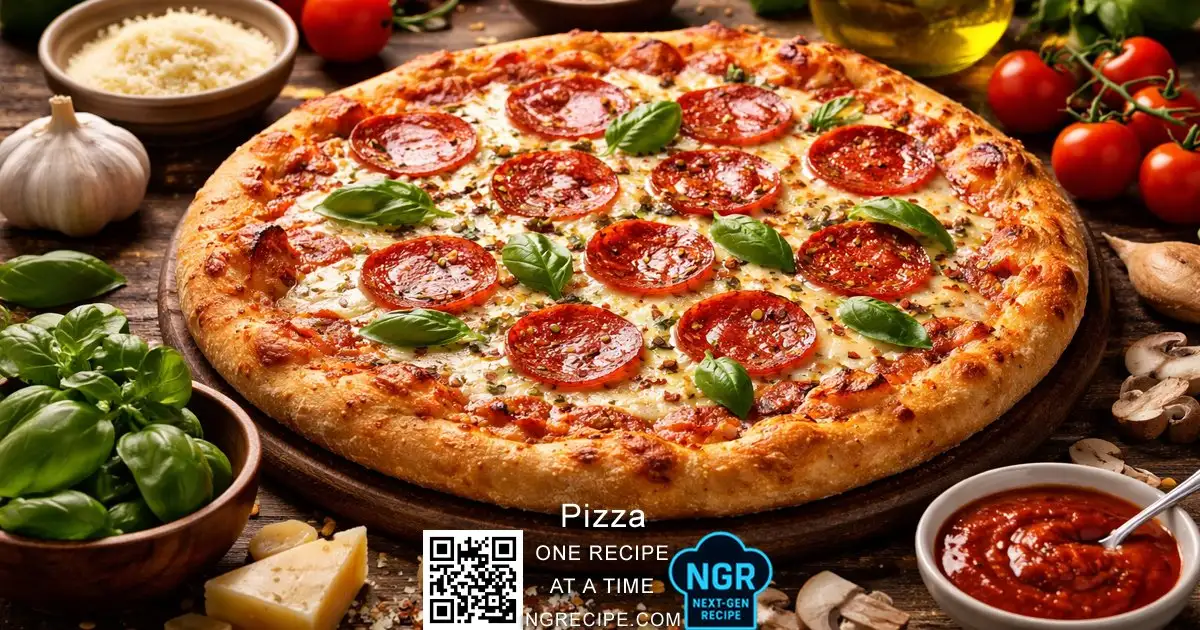
Quick Recipe Card
What This Recipe Is
Marinara Pizza is one of the oldest and simplest pizzas from Naples, Italy. It contains no cheese, relying instead on high-quality tomatoes, garlic, oregano, and olive oil to deliver intense flavor.
Ingredients
- 300 g (2 ½ cups) all-purpose or Tipo 00 flour
- 200 ml (¾ cup + 1 tbsp) water
- 5 g (1 tsp) salt
- 2 g (½ tsp) instant yeast
Topping:
- 200 g (¾ cup) crushed San Marzano tomatoes
- 2 cloves garlic, thinly sliced
- 1 tsp dried oregano
- 2 tbsp olive oil
- 3 g (½ tsp) salt
Equipment
- Mixing bowl
- Pizza stone or steel
- Oven (capable of 250–300°C / 480–570°F)
- Rolling surface
Instructions
Step 1:
Mix flour, water, yeast, and salt until a dough forms.
Step 2:
Knead for 8–10 minutes until smooth.
Step 3:
Cover and let ferment for 2–24 hours.
Step 4:
Divide into 2 portions and shape into balls.
Step 5:
Preheat oven to 250–300°C (480–570°F) with pizza stone inside.
Step 6:
Stretch dough into a round base.
Step 7:
Spread crushed tomatoes evenly.
Step 8:
Add garlic slices, oregano, and salt.
Step 9:
Drizzle olive oil on top.
Step 10:
Bake for 5–8 minutes until crust is blistered and golden.
Visual Cooking Cues
- Dough should be soft and elastic
- Edges puff and form bubbles
- Bottom turns golden brown
Chef Tips
- Use minimal sauce to avoid sogginess
- Preheat stone thoroughly
- Stretch dough gently, not rolling
Common Mistakes
- Overloading toppings
- Underheating oven
- Overworking dough
Troubleshooting
- Soggy base: Reduce sauce or increase heat
- Dense crust: Improve fermentation
- Burnt edges: Lower rack position
Ingredient Pairings
- Fresh basil (optional addition)
- Chili flakes
- Garlic oil
Substitutions
- All-purpose flour instead of Tipo 00
- Fresh tomatoes instead of canned
Recipe Family Variations
- Add anchovies for umami
- Add chili oil for spice
Serving Suggestions
- Serve hot immediately
- Pair with simple green salad
Dietary Classification
- Vegan
- Vegetarian
- Dairy-free
Nutrition Information
- Calories: ~650
- Protein: ~18 g
- Fat: ~15 g
- Carbohydrates: ~105 g
- Fiber: ~4 g
- Sodium: ~900 mg
Storage / Reheating
Storage
- Refrigerate leftovers up to 2 days
Reheating
- Reheat in oven at 200°C (390°F) for crispness
FAQ
Is Marinara pizza vegan?
Yes, it contains no animal products.
Why no cheese?
It reflects the original historical version.
Can I use regular flour?
Yes, but texture may differ slightly.
Why This Recipe Works
The simplicity allows each ingredient to shine. High heat baking creates rapid steam expansion in the dough, forming an airy crust while preserving the freshness of the toppings.
Recipe Identity
- Origin: Naples, Italy
- Style: Neapolitan pizza
- Key characteristic: No cheese, minimal ingredients, high heat baking
Dish Classification
- Dish type: Flatbread pizza
- Course: Main course
- Meal type: Lunch, Dinner
- Traditional or modern dish: Traditional
- Street food or home cooking: Both
- Festival or everyday food: Everyday food
Recipe History
Marinara Pizza dates back to 18th-century Naples. It was commonly eaten by sailors (“marinai”), giving it its name. Its simplicity made it affordable and practical.
Cultural Notes
- Recognized as one of the original Neapolitan pizzas
- Traditionally made without cheese
Advanced Cooking Knowledge Open detailed cooking science and reference notes
Flavor, Texture, and Aroma Profile
- Bright tomato acidity
- Aromatic garlic and oregano
- Light, airy crust with crisp edges
- Subtle fruity richness from olive oil
Flavor Balance
- Dominant: Acid and umami
- Supporting: Aromatic and mild sweetness
Flavor Components
- Sweet: Natural sweetness from tomatoes
- Salt: Salt in dough and sauce
- Acid: Tomatoes
- Bitter: Slight from oregano
- Umami: Tomatoes and baked crust
- Aromatic elements: Garlic, oregano, olive oil
Ingredient Notes
- Tipo 00 flour provides authentic elasticity
- San Marzano tomatoes offer balanced sweetness and acidity
- Use fresh garlic for aroma
Ingredient Science
- Hydration level affects dough extensibility
- Yeast fermentation produces gas for airy crust
- Olive oil enhances flavor volatility
Ingredient Roles
- Flour: Structure
- Water: Hydration
- Yeast: Leavening
- Tomatoes: Base flavor
- Garlic: Aromatic depth
- Oregano: Herbal note
- Olive oil: Fat and aroma
Ingredient Classification
- Base: Flour, water, yeast, salt
- Sauce: Tomatoes, salt
- Aromatics: Garlic, oregano
- Fat: Olive oil
Preparation Techniques
- Dough kneading for gluten development
- Slow fermentation for flavor
Cooking Techniques
- High-temperature baking
- Direct heat exposure
Heat Management
- Low heat stages: Dough fermentation
- Medium heat stages: Preheating oven
- High heat stages: Baking pizza
- Temperature cues: Oven fully preheated before baking
Texture Development
- Proper fermentation creates airy crumb
- High heat ensures crisp exterior and soft interior
Cooking Time Control
- Short bake time prevents drying
- Monitor crust browning closely
Flavor Pairing Logic
- Acidic tomatoes balance with aromatic garlic
- Olive oil smooths sharpness
Global Variations
- American style: Thicker crust
- Roman style: Crisp and thin
Leftover Ideas
- Slice into strips for snacks
- Use as sandwich base
Cooking Safety Notes
- Handle hot stone carefully
- Avoid overcrowding oven
Sustainability Notes
- Use locally sourced tomatoes when possible
- Minimize food waste
