Pizza Bianca
A classic Italian white pizza known for its crisp crust, aromatic olive oil, and simple yet deeply satisfying flavor profile, Pizza Bianca highlights the beauty of minimal ingredients done right.
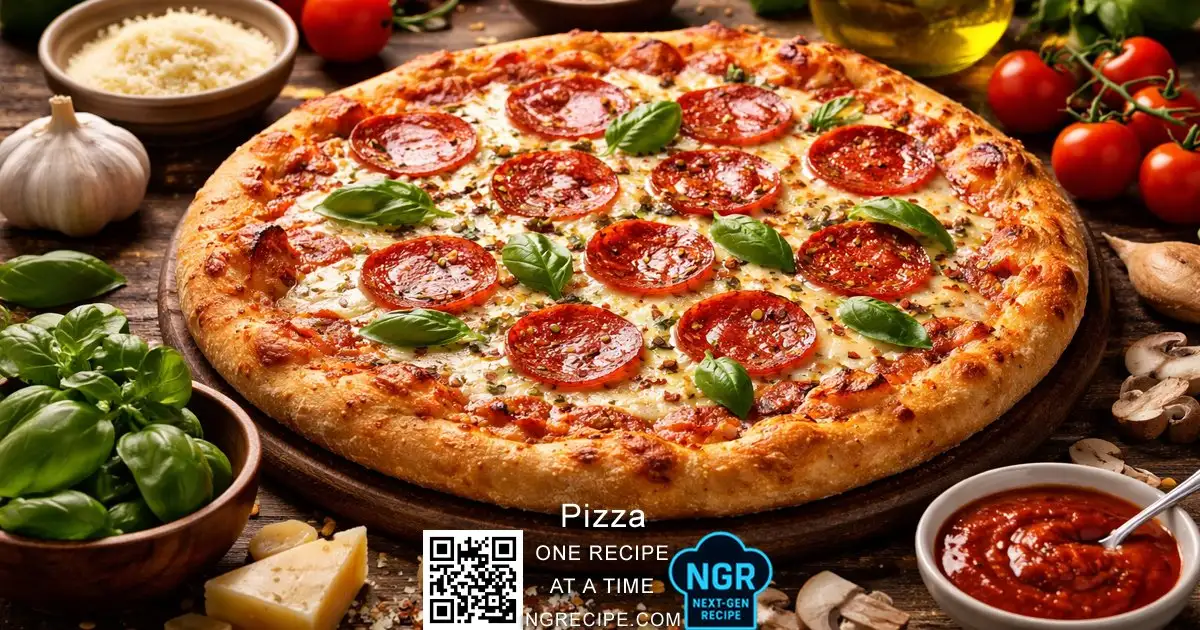
Quick Recipe Card
What This Recipe Is
Pizza Bianca is a traditional Italian flatbread-style pizza made without tomato sauce. It relies on high-quality olive oil, salt, and herbs like rosemary to create a flavorful, crispy, and airy bread.
Ingredients
- 500 g all-purpose flour (4 cups)
- 325 ml warm water (1⅓ cups)
- 10 g salt (2 tsp)
- 7 g instant yeast (2¼ tsp)
- 30 ml extra virgin olive oil (2 tbsp)
- 1 tsp fresh rosemary (or ½ tsp dried)
Equipment
- Mixing bowl
- Baking tray or pizza stone
- Oven
- Dough scraper (optional)
Instructions
Step 1:
In a bowl, combine warm water and yeast. Let it activate for 5 minutes.
Step 2:
Add flour and salt, then mix into a sticky dough.
Step 3:
Knead for 8–10 minutes until smooth and elastic.
Step 4:
Add olive oil and knead briefly to incorporate.
Step 5:
Cover and let the dough rise for 2 hours until doubled.
Step 6:
Preheat oven to 220°C (428°F).
Step 7:
Stretch the dough onto a greased tray without deflating it.
Step 8:
Drizzle olive oil over the surface and sprinkle rosemary and salt.
Step 9:
Bake for 12–15 minutes until golden and crisp.
Step 10:
Remove, cool slightly, slice, and serve.
Visual Cooking Cues
- Dough should double in size during proofing
- Surface should bubble slightly before baking
- Crust should turn golden with crisp edges
Chef Tips
- Use a hot baking surface for better oven spring
- Do not over-handle dough after proofing
- Add extra olive oil just before baking for enhanced flavor
Common Mistakes
- Over-kneading leading to tough dough
- Too much flour causing dryness
- Low oven temperature resulting in soggy crust
Troubleshooting
- Dough not rising: Check yeast freshness
- Dense texture: Increase hydration slightly
- Soggy base: Bake longer or increase oven heat
Ingredient Pairings
- Cheese (ricotta, mozzarella)
- Cured meats
- Fresh greens
- Roasted vegetables
Substitutions
- Bread flour instead of all-purpose flour
- Thyme instead of rosemary
- Whole wheat flour (partial substitution)
Recipe Family Variations
- Stuffed Pizza Bianca sandwich
- Garlic-infused version
- Cheese-topped version
Serving Suggestions
- Serve warm with olive oil dip
- Use as sandwich bread
- Pair with soups or salads
Dietary Classification
- Vegetarian
- Dairy-free (if no toppings added)
Nutrition Information
- Calories: ~280 kcal
- Protein: 8 g
- Fat: 6 g
- Carbohydrates: 48 g
- Fiber: 2 g
- Sodium: 350 mg
Storage / Reheating
Storage
- Store at room temperature for up to 2 days
- Keep in airtight container
Reheating
- Reheat in oven at 180°C (356°F) for 5–7 minutes
- Avoid microwave to maintain crispness
FAQ
Is Pizza Bianca the same as focaccia?
No, Pizza Bianca is thinner and crispier, while focaccia is thicker and softer.
Can I add toppings?
Yes, but traditional Pizza Bianca is simple and minimal.
Why no tomato sauce?
It is designed to highlight olive oil and bread flavor.
Why This Recipe Works
- High hydration dough creates an airy crumb
- Olive oil promotes crisping and flavor development
- Simple ingredients allow precise technique control
- Proper heat ensures rapid oven spring and crust formation
Recipe Identity
- Origin: Italy (Rome region)
- Style: White pizza (no tomato sauce)
- Core identity: Olive oil-based flatbread with crisp crust and airy crumb
Dish Classification
- Dish type: Flatbread / Pizza
- Course: Main course / Snack
- Meal type: Lunch / Dinner / Street food snack
- Traditional or modern dish: Traditional
- Street food or home cooking: Both
- Festival or everyday food: Everyday food
Recipe History
Pizza Bianca originates from Rome, where it is commonly sold in bakeries as a street food. Traditionally baked in wood-fired ovens, it is often enjoyed plain or split and filled like a sandwich.
Cultural Notes
- Often eaten plain in Rome
- Commonly sold by weight in bakeries
Advanced Cooking Knowledge Open detailed cooking science and reference notes
Flavor, Texture, and Aroma Profile
- Flavor: Lightly salty, rich from olive oil, herbaceous
- Texture: Crisp exterior, airy and soft interior
- Aroma: Toasted flour, olive oil, rosemary
Flavor Balance
- Dominant: Salt and fat
- Supporting: Aromatic herbs
- Subtle: Natural wheat sweetness
Flavor Components
- Sweet: Mild natural sweetness from flour
- Salt: Sea salt enhances flavor
- Acid: Minimal
- Bitter: Slight from olive oil
- Umami: Light from baked dough
- Aromatic elements: Rosemary, olive oil
Ingredient Notes
- Use high-quality olive oil for authentic flavor
- Bread flour can improve structure and chew
- Fresh rosemary gives a brighter aroma
Ingredient Science
- Yeast ferments sugars to create gas and structure
- Olive oil coats gluten strands, improving tenderness
- Salt strengthens gluten and controls fermentation
Ingredient Roles
- Flour: Structure and base
- Water: Hydration and gluten formation
- Yeast: Leavening
- Salt: Flavor and structure control
- Olive oil: Flavor and crispness
- Rosemary: Aroma and herbal note
Ingredient Classification
- Primary: Flour
- Secondary: Water, yeast
- Flavoring: Olive oil, rosemary, salt
Preparation Techniques
- Mixing and kneading dough
- Fermentation and proofing
- Stretching dough gently to retain air
Cooking Techniques
- High-temperature baking
- Surface oiling for crisping
- Steam generation (optional for better crust)
Heat Management
- Low heat stages: Proofing at room temperature
- Medium heat stages: Initial oven preheat
- High heat stages: Baking at 220°C (428°F)
- Temperature cues: Dough should puff and turn golden
Texture Development
- High hydration creates airy pockets
- Olive oil ensures crisp exterior
- Proper fermentation enhances chewiness
Cooking Time Control
- Underbaking leads to dense texture
- Overbaking dries the crumb
- Ideal bake: 12–15 minutes until golden
Flavor Pairing Logic
- Fat from olive oil balances salt
- Herbs add aromatic contrast
- Neutral base supports both savory toppings
Global Variations
- Roman bakery style (very thin and crisp)
- Focaccia-style thicker version
- Modern gourmet versions with toppings
Leftover Ideas
- Make sandwiches
- Toast and serve with dips
- Use as base for quick pizzas
Cooking Safety Notes
- Handle hot trays carefully
- Ensure proper yeast fermentation to avoid undercooked dough
Sustainability Notes
- Use locally sourced flour and herbs
- Minimize food waste by repurposing leftovers
