Chicago Deep Dish Pizza
Chicago deep-dish pizza is a rich, pan-baked American pizza with a buttery crust, tall sides, generous mozzarella, seasoned sausage, and a bright tomato sauce layered on top. This version keeps the classic structure while making the method practical for a home kitchen.
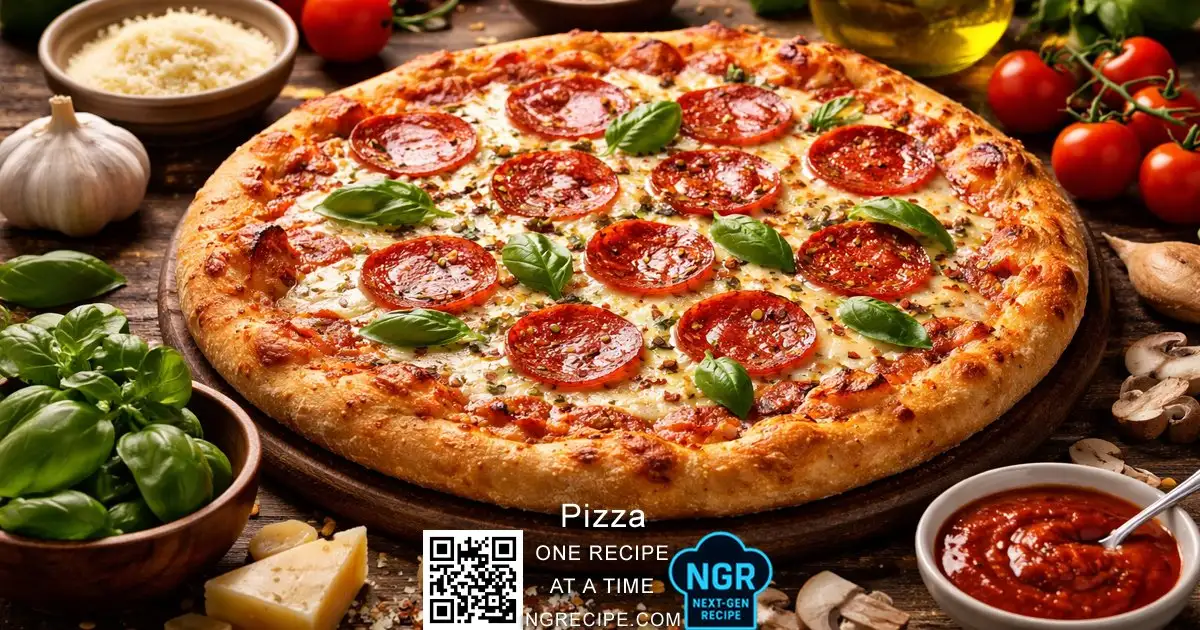
Quick Recipe Card
What This Recipe Is
Chicago deep-dish pizza is a high-sided, pan-baked pizza known for its rich crust and reversed layering. The mozzarella goes in first, the sausage sits above it, and the tomato sauce finishes the top, which helps the cheese stay protected during the longer bake.
Ingredients
- Bread flour, 320 g (2 2/3 cups)
- Fine yellow cornmeal, 35 g (1/4 cup)
- Instant yeast, 7 g (2 1/4 teaspoons)
- Granulated sugar, 8 g (2 teaspoons)
- Fine salt, 6 g (1 teaspoon)
- Warm water, 210 ml (3/4 cup plus 2 tablespoons)
- Olive oil, 45 ml (3 tablespoons)
- Unsalted butter, softened, 45 g (3 tablespoons)
- Olive oil for the pan, 15 ml (1 tablespoon)
- Low-moisture mozzarella, sliced or grated, 340 g (12 ounces)
- Italian sausage, casings removed, 225 g (8 ounces)
- Crushed tomatoes, 400 g (14 ounces)
- Tomato paste, 15 g (1 tablespoon)
- Garlic, minced, 6 g (2 cloves)
- Dried oregano, 2 g (1 teaspoon)
- Dried basil, 1 g (1/2 teaspoon)
- Red pepper flakes, 0.5 g (1/4 teaspoon)
- Fine salt for the sauce, 3 g (1/2 teaspoon)
- Black pepper, 1 g (1/4 teaspoon)
- Parmesan, finely grated, 25 g (1/4 cup)
Equipment
- Deep 25 cm (10 inch) cake pan or oven-safe skillet
- Large mixing bowl
- Small saucepan
- Wooden spoon or dough scraper
- Rolling pin
- Box grater or knife
- Measuring spoons
- Oven
Instructions
Step 1:
In a large bowl, combine the bread flour, fine yellow cornmeal, instant yeast, granulated sugar, and fine salt. Add the warm water and 30 ml (2 tablespoons) of the olive oil, then mix until a shaggy dough forms.
Step 2:
Knead the dough until mostly smooth, about 5 to 7 minutes. Flatten it slightly, spread the softened unsalted butter over the surface, then fold and knead again until the butter is incorporated and the dough feels soft and supple.
Step 3:
Shape the dough into a ball, place it in a lightly oiled bowl, cover, and let it rest for 1 hour, or until puffy.
Step 4:
While the dough rests, heat the remaining 15 ml (1 tablespoon) olive oil in a small saucepan over medium heat. Add the garlic and cook briefly until fragrant, about 30 seconds. Stir in the crushed tomatoes, tomato paste, dried oregano, dried basil, red pepper flakes, fine salt for the sauce, and black pepper. Simmer for 10 to 12 minutes until slightly thickened, then let the sauce cool.
Step 5:
Preheat the oven to 220°C (425°F). Grease the deep 25 cm (10 inch) pan with the olive oil for the pan.
Step 6:
In a bowl, gently mix the Italian sausage so it is loose and easy to scatter. If the mozzarella is not already shredded, grate or slice it.
Step 7:
Roll the dough into a large round, then press it into the prepared pan, pushing it firmly across the base and up the sides. Trim any large overhang if needed, but keep the crust high enough to hold the filling.
Step 8:
Layer the mozzarella evenly over the base of the dough. Scatter the Italian sausage over the mozzarella in an even layer. Spoon the tomato sauce over the sausage and spread it gently to the edges. Finish with the Parmesan.
Step 9:
Bake for 30 to 35 minutes, until the crust is deeply golden, the filling is bubbling, and the top looks set. If the crust darkens too quickly, lower the oven temperature slightly for the final minutes.
Step 10:
Let the pizza rest in the pan for 10 to 15 minutes before slicing. This resting time helps the layers settle so the slices hold their shape.
Visual Cooking Cues
- The dough should feel soft, lightly oily, and easy to stretch without tearing.
- The sauce should be thicker than a pasta sauce and not watery.
- The crust should be golden to deep golden around the rim and firm at the base.
- The pizza should bubble at the center and edges near the end of baking.
- After resting, the slice should stand upright with visible layers.
Chef Tips
- Use low-moisture mozzarella for a classic deep-dish texture and better slice structure.
- Keep the sauce fairly thick so it does not soak the crust.
- Press the dough well into the corners of the pan to create the signature wall of crust.
- Let the pizza rest before cutting or the filling may slide.
- A metal pan usually gives the most pronounced crust browning.
Common Mistakes
- Using fresh mozzarella with too much moisture, which can make the filling watery.
- Adding too much sauce, which can weigh down the pizza.
- Underbaking the crust, leaving the center pale or soft.
- Slicing immediately after baking, causing the layers to collapse.
- Stretching the dough too thin at the base, which reduces support.
Troubleshooting
- If the dough keeps shrinking, let it rest for 10 minutes, then press it again.
- If the base seems pale, place the pan on a lower oven rack for part of the bake.
- If the sauce tastes flat, simmer it a little longer to concentrate it.
- If the crust feels too firm, reduce baking time slightly next time.
- If the filling seems loose, extend the resting time before slicing.
Ingredient Pairings
- Bitter green salad with a sharp vinaigrette
- Roasted peppers
- Simple sautéed mushrooms
- Crisp pickled vegetables
- Sparkling water or a tart lemonade-style drink
Substitutions
- Bread flour can be replaced with all-purpose flour, though the crust may be slightly less chewy.
- Fine yellow cornmeal can be reduced if needed, but it helps give the crust its classic texture.
- Italian sausage can be replaced with cooked mushrooms and spinach for a meat-free version.
- Parmesan can be replaced with pecorino for a saltier finish.
- Crushed tomatoes can be replaced with hand-crushed peeled tomatoes if drained well.
Recipe Family Variations
- In strict authority mode, the family list stays intentionally narrow because many other named versions are mainly topping-driven rather than true same-family structural variations.
Serving Suggestions
- Serve hot in wedges with a crisp salad or simple cooked vegetables. Because the pizza is rich and filling, smaller sides with acidity or bitterness balance it especially well.
Dietary Classification
This version is nut-free and contains meat, gluten, and dairy. It is not vegetarian and is best treated as a hearty main-course pizza.
Nutrition Information
Nutrition is approximate and will vary with exact cheese, sausage, and crust thickness. Per serving, expect about 620 calories, 30 g protein, 31 g fat, 53 g carbohydrates, and 980 mg sodium.
Storage / Reheating
Cool leftovers fully before storing. Refrigerate in a covered container for up to 3 days. For longer storage, freeze individual slices for up to 1 month. Reheat in a 190°C (375°F) oven for 12 to 18 minutes, or until hot and crisp again. Avoid microwaving if you want to preserve the crust texture.
FAQ
Can I make the dough ahead of time?
Yes. After kneading, refrigerate the dough overnight in a covered bowl. Let it sit at room temperature for about 45 to 60 minutes before shaping.
Why is the sauce on top?
The top sauce is part of the style. It helps protect the cheese during the longer bake and gives the pizza its distinct layered identity.
Can I use a cast-iron skillet?
Yes. A deep cast-iron skillet works well and produces a strong crust, as long as it is well seasoned or greased.
How do I keep the base from turning soggy?
Use a thick sauce, low-moisture mozzarella, and bake until the crust is deeply golden. Letting the pizza rest also improves the final texture.
Do I have to use sausage?
No. You can leave it out or replace it with well-cooked vegetables, but avoid wet fillings that release too much moisture.
Why This Recipe Works
The dough is enriched with oil and butter, which gives it tenderness and a rich bite. The pan shape creates high sides that hold substantial filling. The layered build places mozzarella against the crust, sausage above it, and tomato sauce on top, which supports the long bake while keeping the interior balanced and recognizable.
Recipe Identity
This is a classic home-kitchen version of Chicago deep-dish pizza with a buttery cornmeal crust, mozzarella, Italian sausage, and a thick tomato top layer. Its identity depends on the pan-baked format, tall rim, and reversed layering.
Dish Classification
- Dish Type: Pizza
- Form: Deep pan-baked savory pie
- Service Style: Sliced and shared
- Course Role: Main course
- Texture Profile: Crisp-edged, tender-crusted, layered, and hearty
Recipe History
Chicago deep-dish pizza developed in the United States as a distinct urban pizza style built around a deeper pan, a richer crust, and a more substantial filling than flat pizza styles. Over time, it became known for its dramatic height, fork-and-knife appeal, and strong association with hearty city comfort food.
Cultural Notes
This style is often treated as a celebratory, shareable meal rather than a quick folded slice. It reflects a local pizza tradition that values fullness, structure, and table presence as much as crust and sauce.
Culinary Context
Chicago deep-dish pizza sits apart from thinner, faster-baked pizzas because its method is closer to layered savory baking in a pan. The dough, assembly order, and bake time all work together to create a pizza that eats like a complete centerpiece dish.
Advanced Cooking Knowledge Open detailed cooking science and reference notes
Flavor, Texture, and Aroma Profile
- Flavor: Rich dairy, savory sausage, bright tomato, gentle garlic, and dried herb warmth
- Texture: Crisp outer edge, tender interior crust, stretchy cheese, and thick layered filling
- Aroma: Toasted dough, cooked tomato, oregano, basil, and browned cheese
Flavor Balance
- Fat comes from the mozzarella, sausage, olive oil, and butter.
- Acidity comes from the crushed tomatoes.
- Salt comes mainly from the cheese, sausage, and seasoning.
- Herbs and garlic keep the richness from tasting heavy.
Flavor Components
- Base richness: dough, olive oil, unsalted butter
- Dairy depth: mozzarella, Parmesan
- Savory body: Italian sausage
- Bright top note: crushed tomatoes
- Aromatic lift: garlic, oregano, basil, black pepper, red pepper flakes
Ingredient Notes
- Low-moisture mozzarella is the most reliable choice for structure.
- Fine yellow cornmeal supports the classic crust character without making it gritty.
- Italian sausage should be evenly distributed so every slice gets balanced seasoning.
- Tomato paste helps the sauce stay concentrated.
Ingredient Science
- Fat in the dough shortens gluten strands, making the crust more tender.
- Low-moisture cheese melts well while releasing less water.
- A reduced sauce limits steam and helps the pizza slice cleanly.
- Parmesan on top aids browning and adds concentrated savory flavor.
Ingredient Roles
- Bread flour builds strength and chew.
- Fine yellow cornmeal adds texture and style identity.
- Instant yeast leavens the crust.
- Olive oil and unsalted butter enrich the dough.
- Crushed tomatoes form the top sauce layer.
- Italian sausage adds savory depth and moisture.
- Parmesan finishes the surface and sharpens flavor.
Ingredient Classification
- Structural ingredients: bread flour, fine yellow cornmeal, instant yeast, warm water
- Enriching ingredients: olive oil, unsalted butter
- Filling ingredients: mozzarella, Italian sausage
- Sauce ingredients: crushed tomatoes, tomato paste, garlic, oregano, basil, red pepper flakes, fine salt for the sauce, black pepper
- Finishing ingredient: Parmesan
Preparation Techniques
- Mix until shaggy before kneading for more even hydration.
- Fold in the butter after the dough begins to form.
- Simmer the sauce briefly to remove excess moisture.
- Press, rather than only stretch, the dough into the pan for better wall coverage.
Cooking Techniques
- Pan baking creates a structured crust and deep shape.
- Layering cheese first helps protect the lower crust.
- Top-saucing supports the longer bake.
- Resting after baking stabilizes the interior.
Heat Management
- Start in a fully preheated 220°C (425°F) oven.
- Use a lower rack position if the base needs stronger browning.
- If the rim darkens too fast, slightly reduce heat near the end.
- Avoid underheating the oven or the crust may bake unevenly.
Texture Development
- Kneading develops enough gluten to hold the deep filling.
- Butter and oil soften the bite of the finished crust.
- The tall pan traps heat around the sides, helping the walls set.
- Resting after baking firms the slice and improves cut quality.
Cooking Time Control
- Sauce reduction affects final bake stability.
- A thicker pan may need a few extra minutes.
- Visual doneness matters as much as the clock.
- Resting time is part of the total process, not an optional extra.
Flavor Pairing Logic
- Bitter greens and acidic dressings cut through the dairy richness.
- Roasted vegetables add sweetness without competing with the pizza.
- Sharp, pickled flavors refresh the palate between bites.
- Simple sides work best because the pizza is already highly layered.
Leftover Ideas
- Reheat a slice and serve it with a fried egg for a substantial brunch.
- Cut cold slices into strips and crisp them in the oven for snack portions.
- Pair reheated slices with soup or salad for a second meal.
Cooking Safety Notes
- Cook the pizza until the sausage layer is fully cooked through.
- Use care when removing the deep pan from the oven because it retains heat.
- Let the pizza settle before slicing to reduce splashing from hot sauce and cheese.
- Store leftovers promptly after cooling.
Sustainability Notes
- Use a block of mozzarella and grate it yourself to reduce packaging.
- Freeze extra slices to avoid waste.
- The dough and sauce can be planned ahead to make ingredient use more efficient.
- A hearty pizza like this works well as a full meal with minimal side dishes.
