California-Style Pizza
A fresh, creative, and ingredient-driven pizza known for its thin crust and gourmet toppings, California-Style Pizza blends global flavors with seasonal produce for a vibrant and modern dining experience.
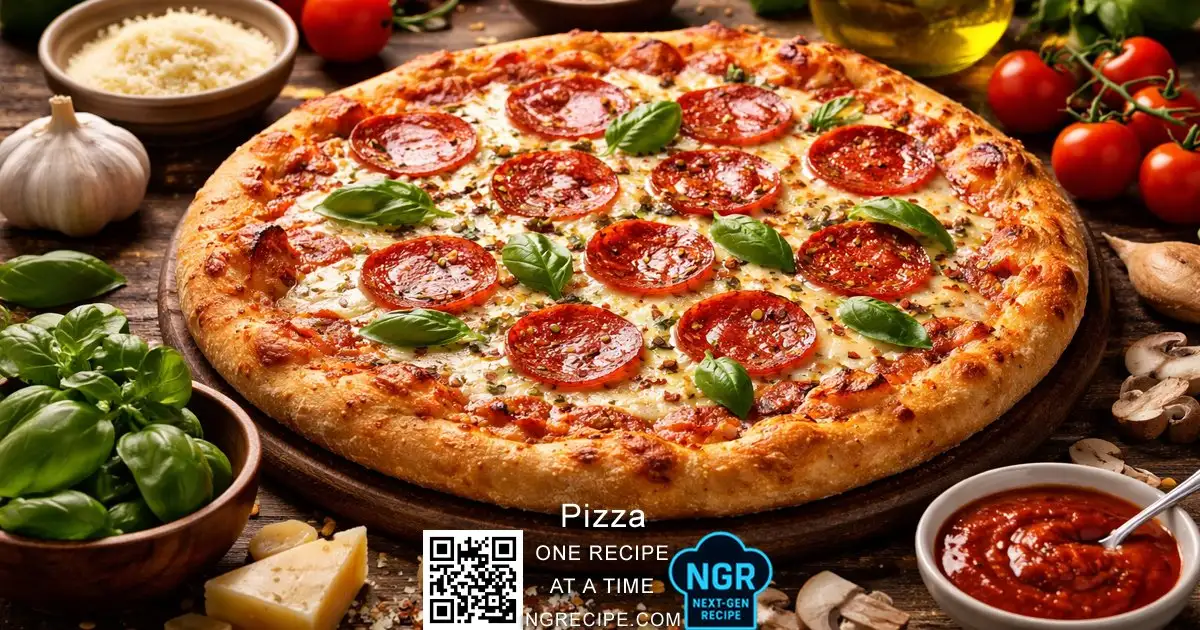
Quick Recipe Card
What This Recipe Is
California-Style Pizza is a thin-crust pizza that emphasizes fresh, high-quality, and often unconventional toppings such as grilled chicken, vegetables, herbs, and specialty cheeses. It is known for its balance of flavor, lightness, and visual appeal.
Ingredients
- 250 g pizza dough (8.8 oz)
- 120 g mozzarella cheese, shredded (1 cup)
- 100 g cooked grilled chicken, sliced (3.5 oz)
- 80 g cherry tomatoes, halved (½ cup)
- 50 g red onion, thinly sliced (⅓ cup)
- 30 g arugula leaves (1 cup)
- 30 ml olive oil (2 tbsp)
- 60 ml tomato sauce (¼ cup)
- 5 g garlic, minced (1 tsp)
- 5 g fresh basil leaves
- 2 g salt (½ tsp)
- 2 g black pepper (½ tsp)
Equipment
- Oven (preheated)
- Baking tray or pizza stone
- Rolling pin
- Knife
- Mixing bowl
Instructions
Step 1:
Preheat oven to 220°C (428°F).
Step 2:
Roll out pizza dough into a thin round base.
Step 3:
Spread tomato sauce evenly across the surface.
Step 4:
Sprinkle mozzarella cheese evenly.
Step 5:
Add grilled chicken, cherry tomatoes, and red onion.
Step 6:
Drizzle olive oil and sprinkle garlic, salt, and black pepper.
Step 7:
Transfer to oven and bake for 10–12 minutes until crust is golden.
Step 8:
Remove from oven and top with fresh arugula and basil.
Step 9:
Rest for 5–10 minutes before slicing and serving.
Visual Cooking Cues
- Crust edges turn golden brown
- Cheese fully melted and slightly bubbling
- Bottom crisp and firm when lifted
Chef Tips
- Use a pizza stone for better heat retention
- Do not overload toppings
- Add greens after baking for freshness
Common Mistakes
- Too many wet toppings causing sogginess
- Low oven temperature leading to soft crust
- Overloading cheese masking flavors
Troubleshooting
- Soggy base: Reduce sauce and pre-cook toppings
- Burnt edges: Lower oven rack position
- Undercooked center: Extend baking slightly
Ingredient Pairings
- Lemon zest
- Goat cheese
- Avocado slices
- Chili flakes
Substitutions
- Chicken → Tofu (vegetarian)
- Mozzarella → Vegan cheese
- Arugula → Spinach
Recipe Family Variations
- BBQ chicken version
- Vegetarian garden pizza
- Seafood topping version
Serving Suggestions
- Serve hot with a side salad
- Pair with lemonade or light beverages
Dietary Classification
- Vegetarian option available
- Can be adapted to gluten-free or vegan
Nutrition Information
Approximate per serving:
- Calories: 450 kcal
- Protein: 22 g
- Fat: 18 g
- Carbohydrates: 48 g
- Fiber: 3 g
- Sodium: 650 mg
Storage / Reheating
Storage
- Refrigerate in airtight container up to 2 days
Reheating
- Reheat in oven at 180°C (356°F) for 5–7 minutes
FAQ
Can I make it vegetarian?
Yes, omit chicken.
Why is my crust not crispy?
Oven temperature may be too low.
Can I use store-bought dough?
Yes, for convenience.
Why This Recipe Works
- Thin crust allows toppings to shine
- High heat baking ensures crispness without sogginess
- Balanced topping distribution prevents overload
- Fresh ingredients provide contrast in flavor and texture
Recipe Identity
- Origin: United States (California)
- Style: Gourmet thin-crust pizza
- Signature trait: Non-traditional toppings and flavor combinations
Dish Classification
- Dish type: Pizza
- Course: Main course
- Meal type: Lunch or Dinner
- Traditional or modern dish: Modern
- Street food or home cooking: Both
- Festival or everyday food: Everyday with upscale appeal
Recipe History
California-Style Pizza emerged in the 1980s in California, popularized by chefs who experimented with global ingredients and farm-to-table concepts. It reflects the region’s culinary diversity and emphasis on freshness.
Cultural Notes
California-style pizza reflects innovation and diversity, combining global flavors with fresh local produce.
Advanced Cooking Knowledge Open detailed cooking science and reference notes
Flavor, Texture, and Aroma Profile
- Flavor: Bright, fresh, slightly tangy, savory
- Texture: Crisp base, tender toppings
- Aroma: Herbaceous, cheesy, lightly smoky
Flavor Balance
Balanced combination of acidity (tomato), fat (cheese), freshness (vegetables), and umami (chicken or cheese)
Flavor Components
- Sweet: Light natural sweetness from vegetables
- Salt: Cheese and seasoning
- Acid: Tomato base or citrus accents
- Bitter: Light from greens like arugula
- Umami: Cheese, grilled chicken
- Aromatic elements: Garlic, herbs, olive oil
Ingredient Notes
- Use high-hydration dough for better crispness
- Fresh mozzarella melts smoother than processed cheese
- Pre-cooked toppings prevent excess moisture
Ingredient Science
- Olive oil enhances heat transfer and crisping
- Cheese proteins melt and bind toppings
- Tomato acidity balances fat
Ingredient Roles
- Dough: Structure and base
- Sauce: Moisture and acidity
- Cheese: Fat and binding
- Chicken: Protein and umami
- Vegetables: Freshness and texture
Ingredient Classification
- Base: Dough
- Protein: Chicken
- Dairy: Mozzarella
- Vegetables: Tomatoes, onion, arugula
- Aromatics: Garlic, basil
- Fat: Olive oil
Preparation Techniques
- Dough stretching for thin base
- Even slicing of toppings
- Pre-cooking chicken
Cooking Techniques
- High-temperature baking
- Direct heat crisping
- Layered topping assembly
Heat Management
- Low heat stages: None
- Medium heat stages: Pre-cooking toppings
- High heat stages: Baking at 220°C (428°F)
- Temperature cues: Edges golden and crisp, cheese bubbling
Texture Development
- Thin dough ensures crisp base
- Controlled moisture prevents sogginess
- Balanced toppings maintain structure
Cooking Time Control
- Avoid overbaking to prevent dryness
- Monitor cheese melt and crust color
Flavor Pairing Logic
Fresh greens balance rich cheese, while acidity from tomatoes cuts through fat
Global Variations
- Italian-inspired with prosciutto and burrata
- Asian fusion with teriyaki chicken
- Mediterranean with olives and feta
Leftover Ideas
- Pizza sandwiches
- Chopped into salad toppings
Cooking Safety Notes
- Ensure chicken is fully cooked before use
- Avoid cross-contamination with raw dough
Sustainability Notes
- Use seasonal vegetables
- Opt for locally sourced ingredients
