Turkish Pide
A classic Turkish flatbread shaped like a boat and filled with savory toppings such as cheese, minced meat, or vegetables. Known for its soft interior, crisp edges, and rich flavors, Turkish pide is a beloved staple in bakeries and homes across Turkey.
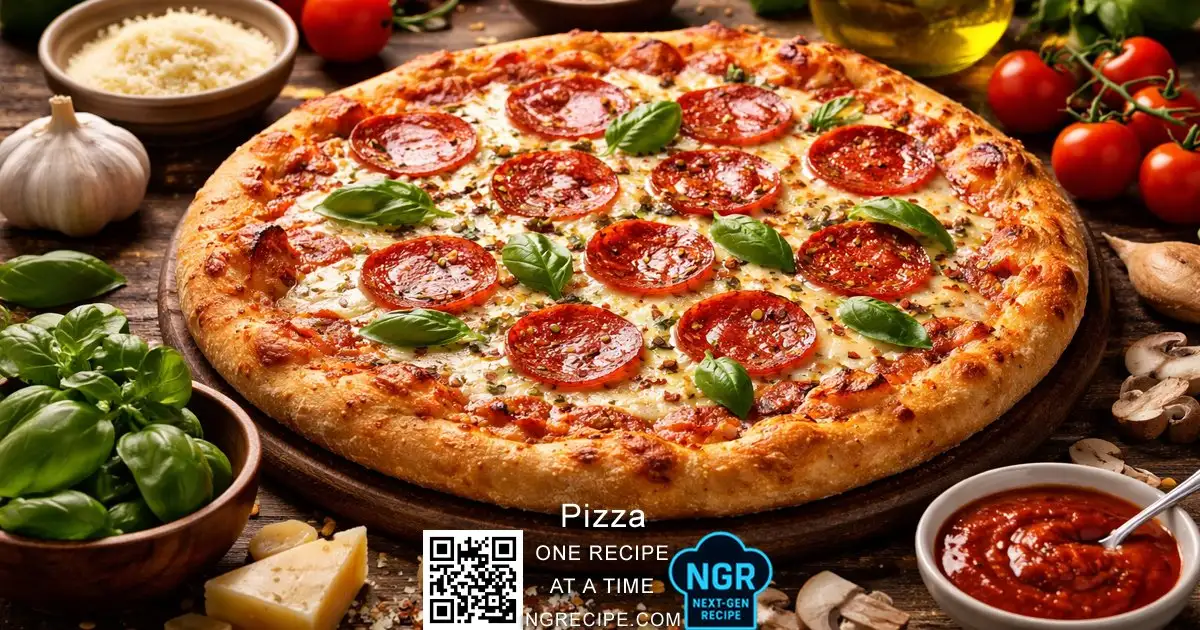
Quick Recipe Card
What This Recipe Is
Turkish pide is a yeast-leavened flatbread baked at high heat and traditionally topped with cheese, ground meat, or spinach mixtures. It is often compared to pizza but has a unique shape, texture, and flavor profile rooted in Turkish culinary tradition.
Ingredients
- 500 g all-purpose flour (4 cups)
- 7 g instant yeast (2 1/4 tsp)
- 300 ml warm water (1 1/4 cups)
- 10 g sugar (2 tsp)
- 8 g salt (1 1/2 tsp)
- 30 ml olive oil (2 tbsp)
- 200 g ground beef (7 oz)
- 150 g shredded mozzarella or Turkish cheese (1 1/2 cups)
- 1 small onion, finely chopped
- 2 cloves garlic, minced
- 1 medium tomato, finely chopped
- 1 tsp paprika
- 1/2 tsp black pepper
- 1/2 tsp cumin
- 1 egg (for brushing)
Equipment
- Mixing bowl
- Baking tray or pizza stone
- Oven
- Rolling pin
- Knife
Instructions
Step 1:
In a bowl, mix warm water, sugar, and yeast. Let sit for 5–10 minutes until foamy.
Step 2:
Add flour, salt, and olive oil. Knead into a smooth dough.
Step 3:
Cover and let rise for 1 hour until doubled.
Step 4:
In another bowl, mix ground beef, onion, garlic, tomato, paprika, black pepper, and cumin.
Step 5:
Divide dough into 4 portions and roll into oval shapes.
Step 6:
Place filling evenly in the center of each dough piece.
Step 7:
Fold edges inward to create a boat shape.
Step 8:
Brush edges with beaten egg.
Step 9:
Bake in preheated oven at 220°C (428°F) for 12–15 minutes until golden.
Step 10:
Sprinkle cheese on top and bake for 2–3 more minutes until melted.
Visual Cooking Cues
- Dough doubles in size after proofing
- Edges turn golden brown
- Cheese melts and slightly bubbles
- Meat appears fully cooked with no pink
Chef Tips
- Use a pizza stone for better crust
- Preheat oven thoroughly for best results
- Avoid overloading toppings
Common Mistakes
- Under-proofed dough leads to dense texture
- Too much filling makes dough soggy
- Low oven temperature prevents crisping
Troubleshooting
- Dough not rising: Check yeast freshness
- Soggy base: Reduce moisture in filling
- Dry texture: Avoid overbaking
Ingredient Pairings
- Yogurt
- Fresh herbs
- Lemon wedges
- Salads
Substitutions
- Ground lamb instead of beef
- Feta instead of mozzarella
- Whole wheat flour for healthier option
Recipe Family Variations
- Cheese-only pide
- Spinach and feta pide
- Egg-topped pide
Serving Suggestions
Serve hot with yogurt sauce, fresh salad, or pickles.
Dietary Classification
- Contains gluten
- Contains dairy
- High protein
Nutrition Information
Approximate per serving:
- Calories: 350 kcal
- Protein: 15 g
- Fat: 12 g
- Carbohydrates: 45 g
- Fiber: 2 g
- Sodium: 450 mg
Storage / Reheating
Storage
- Refrigerate up to 3 days
- Store in airtight container
Reheating
- Oven: 180°C (356°F) for 5–7 minutes
- Avoid microwave for best texture
FAQ
What is Turkish pide?
A traditional Turkish flatbread with savory toppings.
Can I make it vegetarian?
Yes, use spinach, cheese, or vegetables.
Is it the same as pizza?
No, it has a different dough, shape, and flavor.
Why This Recipe Works
- High-heat baking creates a crisp exterior and soft interior
- Yeast fermentation enhances flavor and texture
- Open-top design allows toppings to caramelize perfectly
- Olive oil enriches the dough and prevents dryness
Recipe Identity
- Origin: Turkey
- Cuisine: Turkish
- Dish Type: Stuffed flatbread
- Cooking Method: Oven-baked
Dish Classification
- Dish type: Flatbread
- Course: Main course
- Meal type: Lunch or dinner
- Traditional or modern dish: Traditional
- Street food or home cooking: Both
- Festival or everyday food: Both (especially popular during Ramadan)
Recipe History
Turkish pide dates back centuries and is deeply rooted in Anatolian baking traditions. It is commonly baked in stone ovens and has regional variations across Turkey, especially in coastal and central regions.
Cultural Notes
Turkish pide is often baked in communal ovens and shared among families, especially during Ramadan evenings.
Advanced Cooking Knowledge Open detailed cooking science and reference notes
Flavor, Texture, and Aroma Profile
- Flavor: Savory, slightly tangy, rich
- Texture: Soft and airy inside, crisp edges
- Aroma: Fresh bread, warm spices, baked cheese and meat
Flavor Balance
Balanced between savory richness, mild acidity from dough fermentation, and aromatic spices.
Flavor Components
- Sweet: Mild (from dough fermentation)
- Salt: Moderate
- Acid: Low to mild
- Bitter: None
- Umami: High (from cheese and meat)
- Aromatic elements: Garlic, spices, herbs
Ingredient Notes
- Turkish cheese like kasar is ideal but mozzarella works well
- Ground lamb can replace beef for authentic flavor
- Use fresh yeast for deeper flavor if available
Ingredient Science
- Yeast produces gas, creating airy dough
- Gluten development provides structure
- Fat from olive oil tenderizes crumb
- Proteins in cheese create melt and browning
Ingredient Roles
- Flour: Structure
- Yeast: Leavening
- Water: Hydration
- Olive oil: Softness and flavor
- Meat and cheese: Flavor and richness
Ingredient Classification
- Base: Flour dough
- Protein: Ground beef
- Dairy: Cheese
- Aromatics: Onion, garlic
- Seasoning: Spices
Preparation Techniques
- Dough kneading for gluten development
- Fine chopping for even topping distribution
- Dough resting for fermentation
Cooking Techniques
- High-temperature baking
- Open-face flatbread shaping
- Topping pre-mixing
Heat Management
- Low heat stages: Dough proofing at room temperature
- Medium heat stages: Preheating oven
- High heat stages: Baking at 220°C (428°F)
- Temperature cues: Golden crust and bubbling cheese
Texture Development
- Kneading builds elasticity
- Proper proofing ensures softness
- High heat crisps edges
Cooking Time Control
- Avoid overbaking to prevent dryness
- Bake until edges are golden and filling is cooked
Flavor Pairing Logic
- Acid (lemon, yogurt) balances richness
- Fresh herbs add brightness
- Bread complements savory toppings
Global Variations
- Georgian khachapuri (similar concept)
- Middle Eastern flatbreads
- Pizza-style adaptations
Leftover Ideas
- Slice and reheat as snacks
- Add fresh toppings and rebake
Cooking Safety Notes
- Ensure meat is fully cooked
- Maintain clean preparation surfaces
Sustainability Notes
- Use local and seasonal ingredients when possible
- Reduce food waste by repurposing leftovers
