Gluten-Free Pizza
A crisp-edged, chewy-centered pizza made without gluten, designed to deliver authentic flavor, proper structure, and reliable results using gluten-free techniques.
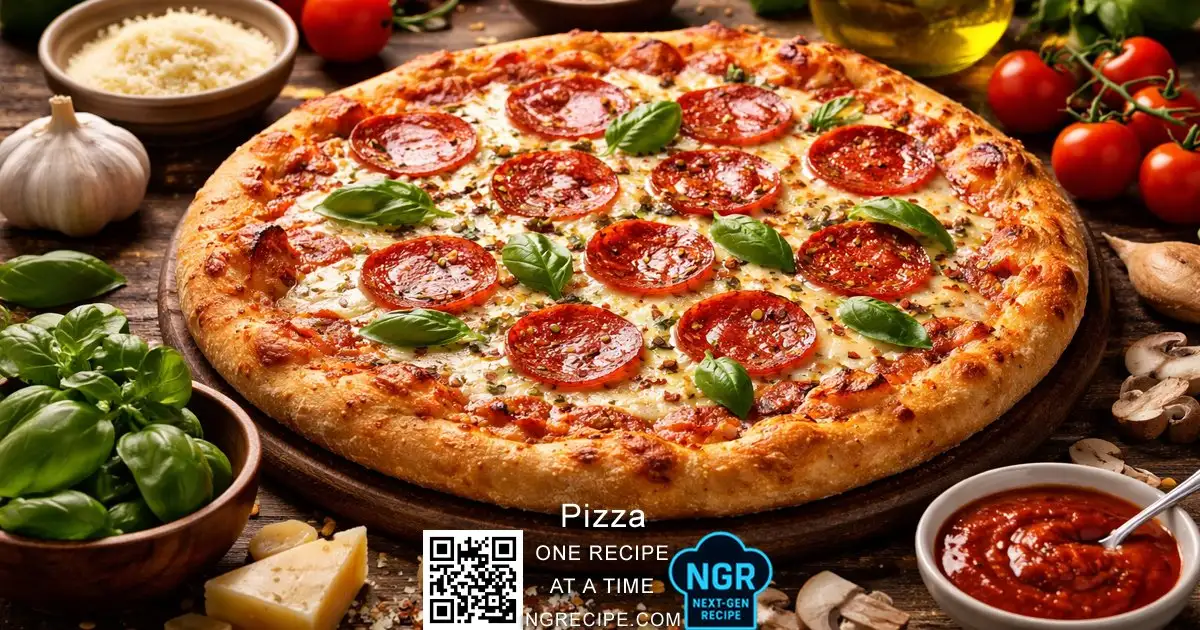
Quick Recipe Card
What This Recipe Is
Gluten-free pizza is a wheat-free adaptation of traditional Italian pizza, using specialized flour blends and hydration techniques to mimic elasticity, structure, and crispness typically provided by gluten.
Ingredients
- 250 g gluten-free all-purpose flour blend (2 cups)
- 5 g instant yeast (1½ tsp)
- 5 g sugar (1 tsp)
- 4 g salt (¾ tsp)
- 5 g xanthan gum (1 tsp, if not included in flour)
- 240 ml warm water (1 cup)
- 15 ml olive oil (1 tbsp)
- 120 ml tomato sauce (½ cup)
- 150 g mozzarella cheese, shredded (1½ cups)
Equipment
- Mixing bowl
- Wooden spoon or spatula
- Baking tray or pizza stone
- Oven
- Parchment paper
Instructions
Step 1:
In a bowl, mix warm water, sugar, and yeast. Let sit for 5–10 minutes until foamy.
Step 2:
Add gluten-free flour, salt, and xanthan gum. Mix thoroughly.
Step 3:
Add olive oil and mix into a smooth, sticky dough.
Step 4:
Cover and let rest for 1 hour at room temperature.
Step 5:
Preheat oven to 220°C (430°F).
Step 6:
Spread dough onto parchment paper into a pizza shape.
Step 7:
Pre-bake the crust for 8–10 minutes.
Step 8:
Remove, spread tomato sauce evenly, and add cheese.
Step 9:
Bake again for 8–10 minutes until cheese melts and crust is golden.
Visual Cooking Cues
- Dough becomes slightly airy after resting
- Pre-baked crust looks set and dry on surface
- Final pizza shows bubbling cheese and browned edges
Chef Tips
- Use slightly wet hands to handle sticky dough
- Preheat baking surface for better crisping
- Thin crust yields better texture in gluten-free baking
Common Mistakes
- Using cold water prevents yeast activation
- Skipping pre-bake leads to soggy crust
- Overloading toppings causes collapse
Troubleshooting
- Dough too sticky: Add small amount of flour
- Crust too dry: Increase hydration slightly
- Not rising: Check yeast freshness
Ingredient Pairings
- Fresh basil
- Olives
- Mushrooms
- Grilled vegetables
Substitutions
- Dairy-free cheese for vegan option
- Tomato puree for sauce
- Psyllium husk instead of xanthan gum
Recipe Family Variations
- Thin crust gluten-free pizza
- Thick pan-style gluten-free pizza
- Cheese-stuffed crust
Serving Suggestions
- Serve hot with fresh herbs
- Pair with salad or light soup
Dietary Classification
- Gluten-free
- Vegetarian (if using standard cheese)
Nutrition Information
- Calories: ~280 kcal
- Protein: ~10 g
- Fat: ~9 g
- Carbohydrates: ~38 g
- Fiber: ~2 g
- Sodium: ~450 mg
Storage / Reheating
Storage
- Refrigerate in airtight container up to 3 days
Reheating
- Reheat in oven at 180°C (350°F) for 5–8 minutes
- Avoid microwave for best texture
FAQ
Is gluten-free pizza healthy?
It depends on ingredients; it avoids gluten but still contains carbs and fats.
Why is my crust crumbly?
Lack of binding agents like xanthan gum.
Can I freeze the dough?
Yes, after initial mixing and before proofing.
Why This Recipe Works
- Hydrated gluten-free dough mimics elasticity
- Binding agents (like xanthan gum) prevent crumbling
- Pre-baking sets structure before toppings
- High heat ensures crisp crust and proper rise
Recipe Identity
- Wheat-free pizza dough using gluten-free flour blend
- Yeast-leavened, oven-baked flatbread
- Designed for crisp base with tender interior
Dish Classification
- Dish type: Flatbread pizza
- Course: Main course
- Meal type: Lunch, Dinner
- Traditional or modern dish: Modern adaptation
- Street food or home cooking: Both
- Festival or everyday food: Everyday
Recipe History
Gluten-free pizza emerged as a modern dietary adaptation for individuals with gluten intolerance and celiac disease, evolving through advancements in alternative flours and food science.
Cultural Notes
- Maintains essence of pizza while adapting for dietary needs
Advanced Cooking Knowledge Open detailed cooking science and reference notes
Flavor, Texture, and Aroma Profile
- Lightly tangy crust
- Crisp bottom with soft interior
- Rich tomato umami
- Creamy melted cheese aroma
Flavor Balance
- Balanced acidity from tomato sauce
- Mild saltiness from cheese
- Subtle fermentation flavor from yeast
Flavor Components
- Sweet: Minimal (natural sugars from flour and tomato)
- Salt: Moderate
- Acid: Tomato base
- Bitter: Slight from baking crust
- Umami: Cheese and sauce
- Aromatic elements: Olive oil, yeast fermentation
Ingredient Notes
- Use a high-quality gluten-free flour blend with starches
- Xanthan gum improves elasticity and structure
- Warm water activates yeast effectively
Ingredient Science
- Gluten-free flours lack protein networks; hydrocolloids compensate
- Yeast fermentation produces CO₂ for structure
- Oil improves moisture retention
Ingredient Roles
- Flour: Structure base
- Yeast: Leavening
- Water: Hydration
- Oil: Tenderness
- Cheese: Fat and flavor
- Sauce: Moisture and acidity
Ingredient Classification
- Base: Flour
- Binder: Xanthan gum
- Liquid: Water
- Fat: Olive oil
- Topping: Sauce, cheese
Preparation Techniques
- Proper hydration of gluten-free flour
- Mixing until smooth, not kneading like wheat dough
Cooking Techniques
- Pre-baking crust
- High-temperature baking
Heat Management
- Low heat stages: Dough proofing at room temperature
- Medium heat stages: None
- High heat stages: Baking at 220°C (430°F)
- Temperature cues: Crust edges golden, cheese bubbling
Texture Development
- Hydrated dough prevents dryness
- Pre-bake ensures base structure before toppings
Cooking Time Control
- Avoid overbaking to prevent dryness
- Monitor cheese melt and crust color
Flavor Pairing Logic
- Acidic tomato balances fatty cheese
- Herbs enhance aroma
- Vegetables add texture contrast
Global Variations
- Italian-style minimal topping
- American-style loaded toppings
- Mediterranean vegetable-focused
Leftover Ideas
- Cut into strips for snacks
- Reheat with extra cheese
- Use as sandwich base
Cooking Safety Notes
- Ensure yeast is fresh and active
- Avoid cross-contamination with gluten
Sustainability Notes
- Use locally sourced vegetables
- Minimize food waste by reusing leftovers
