Keto Pizza
This keto pizza gives you a crisp-edged, cheesy low-carb crust with classic tomato sauce, melted mozzarella, pepperoni, and a warm pizzeria-style finish. It is designed for home cooks who want a satisfying pizza-style meal without a wheat-flour crust.
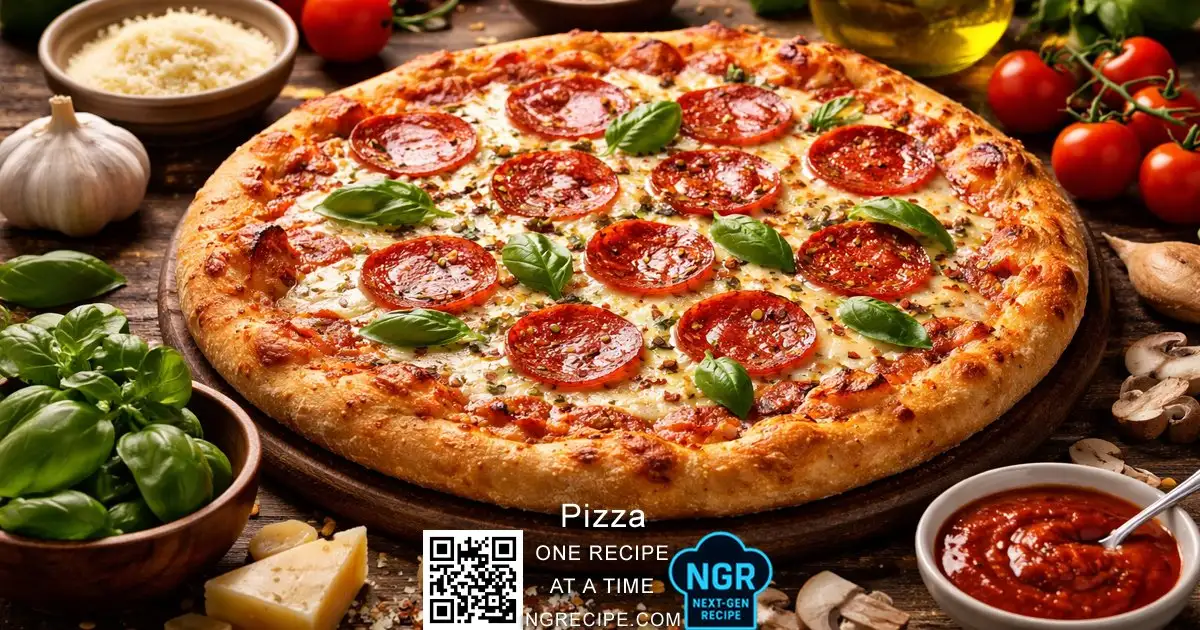
Quick Recipe Card
What This Recipe Is
Keto pizza is a low-carbohydrate pizza made with a cheese-and-almond-flour crust instead of traditional wheat dough. This version uses a fathead-style crust, which combines mozzarella cheese, cream cheese, egg, almond flour, and baking powder to create a flexible dough that bakes into a firm, sliceable base.
The flavor stays close to classic pizza: tomato sauce, oregano, garlic, mozzarella, pepperoni, Parmesan, and fresh basil. The goal is a pizza that feels comforting and familiar while keeping the crust gluten-free and keto-friendly.
Ingredients
- 280 g (10 oz) low-moisture mozzarella cheese, shredded, divided
- 96 g (1 cup) blanched almond flour
- 56 g (2 oz) cream cheese
- 1 large egg, lightly beaten
- 4 g (1 tsp) baking powder
- 2 g (1/3 tsp) fine salt
- 5 ml (1 tsp) olive oil
- 80 g (1/3 cup) sugar-free tomato sauce
- 1 g (1 tsp) dried oregano
- 1 g (1/2 tsp) garlic powder
- 0.5 g (1/4 tsp) black pepper
- 45 g (1.6 oz) pepperoni slices
- 15 g (1/2 oz) Parmesan cheese, finely grated
- 4 g (1/4 cup) fresh basil leaves, torn
Equipment
- Oven
- Baking sheet or pizza pan
- Parchment paper
- Microwave-safe mixing bowl
- Spatula
- Rolling pin or flat-bottomed glass
- Fork
- Small spoon
- Knife or pizza cutter
Instructions
Step 1:
Preheat the oven to 220°C (425°F). Line a baking sheet or pizza pan with parchment paper so the crust can release cleanly after baking.
Step 2:
Place 170 g (6 oz) of the mozzarella cheese and the cream cheese in a microwave-safe bowl. Warm in short bursts until softened and melted, then stir until smooth and stretchy.
Step 3:
Add the almond flour, beaten egg, baking powder, fine salt, and olive oil to the melted cheese mixture. Stir firmly until the mixture forms a soft dough. If the dough feels sticky, let it cool for 2 minutes before shaping.
Step 4:
Transfer the dough to the prepared parchment paper. Cover it lightly with another sheet of parchment and press or roll it into a round crust about 25 cm (10 in) wide. Remove the top parchment and prick the crust several times with a fork.
Step 5:
Bake the crust for 10 to 12 minutes, until the surface is lightly golden and the edges look set. Remove it from the oven and let it rest for 2 minutes so the center firms slightly.
Step 6:
Spread the sugar-free tomato sauce over the baked crust. Sprinkle with dried oregano, garlic powder, and black pepper. Add the remaining 110 g (4 oz) mozzarella cheese, then arrange the pepperoni slices evenly over the top.
Step 7:
Return the pizza to the oven and bake for 6 to 8 minutes, until the cheese is melted, the pepperoni is slightly crisp at the edges, and the crust is deeply golden around the rim.
Step 8:
Sprinkle the hot pizza with Parmesan cheese and torn fresh basil. Rest for 5 minutes before slicing so the cheese settles and the crust holds together cleanly.
Visual Cooking Cues
The dough should look smooth, slightly glossy, and elastic after the melted cheese is mixed with the almond flour and egg.
The first bake is complete when the crust is firm on top, lightly golden in the center, and deeper golden around the edge.
After the second bake, the mozzarella should be fully melted and bubbling, the pepperoni should curl slightly, and the crust should feel sturdy enough to lift from the parchment.
Chef Tips
Use low-moisture mozzarella for the crust because it melts smoothly and keeps the dough less watery.
Let the melted cheese mixture cool briefly before adding the egg if it feels very hot. This helps prevent the egg from cooking too early.
Pricking the crust with a fork helps steam escape and reduces puffing during the first bake.
Bake the crust before adding toppings. This keeps the finished pizza firmer and prevents a soft center.
Rest the pizza before slicing. Keto crusts are more delicate than wheat dough when very hot, but they firm as they cool slightly.
Common Mistakes
Using fresh mozzarella in the crust can make the dough too wet and difficult to shape.
Skipping the first bake can leave the center soft and fragile.
Adding too much tomato sauce can overpower the crust and make the pizza soggy.
Cutting immediately after baking can cause the cheese and toppings to slide.
Using almond meal instead of fine blanched almond flour can create a heavier, grainier crust.
Troubleshooting
If the dough is too sticky, let it cool for a few minutes, then press it with lightly oiled hands or between parchment sheets.
If the crust cracks while shaping, press the cracks back together before baking. The melted cheese will help bind the dough as it cooks.
If the crust is too soft after the first bake, return it to the oven for 2 to 4 minutes before adding sauce and toppings.
If the pizza tastes too salty, reduce the Parmesan cheese slightly next time and choose a milder pepperoni.
If the bottom is not crisp enough, bake the crust a little longer during the first bake and keep the sauce layer thin.
Ingredient Pairings
Mozzarella cheese pairs well with tomato sauce because its mild richness balances the sauce’s acidity.
Pepperoni works well with oregano, garlic powder, and black pepper because those seasonings support its savory, spiced flavor.
Parmesan cheese adds a sharper finish that makes the low-carb crust taste more pizza-like.
Fresh basil adds a light herbal note that brightens the rich cheese and pepperoni.
Almond flour supports the crust with mild nuttiness and enough structure to hold the toppings.
Substitutions
Blanched almond flour can be replaced with finely ground sunflower seed flour for a nut-free version, though the flavor and color may change.
Pepperoni can be replaced with cooked sausage slices if you want a heartier meat topping.
Sugar-free tomato sauce can be replaced with a thicker no-sugar-added pizza sauce.
Fresh basil can be replaced with a small extra pinch of dried oregano if fresh herbs are unavailable.
Parmesan cheese can be replaced with aged hard cheese with a similar salty, savory character.
Recipe Family Variations
- Fathead Keto Pizza
- Cauliflower Crust Keto Pizza
- Keto Deep Dish Pizza
Serving Suggestions
Serve keto pizza hot with a crisp green salad for a balanced low-carb meal.
For a fuller dinner, pair it with roasted low-carb vegetables such as zucchini, broccoli, or cauliflower.
Cut the pizza into smaller squares for a party-style appetizer.
Serve with extra fresh basil on top for a brighter finish.
Dietary Classification
This recipe is keto-friendly, low-carb, and gluten-free when all packaged ingredients are verified gluten-free.
It is not dairy-free because the crust relies on mozzarella cheese and cream cheese for structure.
It is not vegetarian because it includes pepperoni.
It contains tree nuts because almond flour is used in the crust.
Nutrition Information
Approximate nutrition per serving:
- Calories: 450
- Protein: 25 g
- Carbohydrates: 8 g total, about 5 g net
- Fat: 35 g
- Saturated Fat: 14 g
- Fiber: 3 g
- Sugar: 2 g
- Sodium: 820 mg
Storage / Reheating
Store leftover keto pizza in an airtight container in the refrigerator for up to 3 days.
To reheat, place slices on a baking sheet and warm at 180°C (350°F) for 6 to 8 minutes, until the crust firms and the cheese melts again.
For a quicker option, reheat slices in a dry skillet over medium-low heat until the bottom is crisp and the cheese is warm.
Avoid microwaving if you want the crust to stay crisp, as it can soften the almond flour and cheese structure.
FAQ
Can I make keto pizza ahead of time?
Yes. Bake the crust first, cool it completely, and refrigerate it for up to 2 days. Add sauce, cheese, and toppings just before the final bake.
Why is my keto pizza crust soft?
The crust may be soft if it was underbaked during the first bake, rolled too thick, or topped with too much sauce. Bake the crust until golden before adding toppings.
Can I freeze keto pizza?
Yes. Freeze baked slices in a single layer, then store them in a freezer-safe container. Reheat from frozen in the oven until hot and crisp.
Can I make this without pepperoni?
Yes. You can leave out the pepperoni and make a cheese keto pizza using the same crust, sauce, mozzarella, Parmesan, oregano, garlic powder, black pepper, and basil.
Is this crust like traditional pizza dough?
It is not identical to wheat-based dough, but it gives a sturdy, chewy, cheesy crust that holds toppings well and satisfies the pizza craving in a low-carb format.
Why This Recipe Works
The crust works because melted mozzarella and cream cheese create elasticity, while almond flour adds body and structure.
The egg helps bind the dough, and baking powder lightens the texture slightly so the crust does not feel too dense.
Baking the crust before topping removes excess moisture and creates a stable base.
A thin layer of tomato sauce protects the crust from sogginess while still giving classic pizza flavor.
The final bake melts the toppings into the crust and develops a golden edge for better texture.
Recipe Identity
Keto pizza is a low-carb pizza adaptation built around a non-wheat crust. This version belongs to the fathead-style keto pizza family because the dough is based on melted cheese, almond flour, cream cheese, and egg.
Its identity is centered on familiar pizza structure: crust, tomato sauce, cheese, topping, herbs, and a hot oven finish.
Dish Classification
This dish is a main-course pizza-style recipe.
It fits the keto and low-carb category because it avoids wheat flour and uses almond flour as the main dry ingredient in the crust.
It also fits gluten-free cooking when all processed ingredients, especially pepperoni and tomato sauce, are checked for gluten-free status.
Recipe History
Keto pizza is a modern low-carb adaptation of pizza created to make pizza-style meals possible without traditional wheat crust.
The fathead-style crust became popular because melted cheese and almond flour can create a dough-like texture that is easy to shape and satisfying after baking.
This recipe reflects a home-cooking approach to keto pizza rather than a traditional regional pizza style.
Cultural Notes
Pizza is widely associated with comfort food, shared meals, and casual gatherings. Keto pizza keeps that social, familiar feeling while adapting the crust for people who limit carbohydrates.
This version uses familiar American pizza flavors: tomato sauce, mozzarella, pepperoni, oregano, garlic, Parmesan, and basil.
Culinary Context
Keto pizza sits within the broader category of low-carb comfort food. It is useful for home cooks who want the experience of pizza while managing carbohydrate intake.
The key culinary challenge is texture. Because almond flour does not behave like wheat flour, the crust depends on cheese, egg, and careful baking to become sliceable and satisfying.
Advanced Cooking Knowledge Open detailed cooking science and reference notes
Flavor, Texture, and Aroma Profile
This keto pizza has a savory, cheesy, mildly tangy flavor with a warm tomato-herb aroma.
The crust is chewy at the center and crisp at the edges. The pepperoni adds salty richness, while Parmesan and basil finish the pizza with sharper and fresher notes.
Flavor Balance
The tomato sauce brings acidity, the mozzarella brings creaminess, the pepperoni brings salt and spice, and the basil brings freshness.
The almond flour crust is mild, so oregano, garlic powder, black pepper, and Parmesan help create a fuller pizza flavor.
Flavor Components
Mozzarella cheese provides the main creamy and stretchy flavor base.
Sugar-free tomato sauce gives acidity and moisture.
Pepperoni adds savory depth and mild spice.
Parmesan cheese adds a sharper salty finish.
Fresh basil adds brightness after baking.
Ingredient Notes
Low-moisture mozzarella is important because it melts smoothly without releasing too much liquid.
Blanched almond flour gives a finer texture than coarse almond meal.
Cream cheese softens the dough and helps it stay flexible.
Sugar-free tomato sauce keeps the recipe aligned with keto cooking while still providing classic pizza flavor.
Ingredient Science
Mozzarella cheese forms the elastic base of the crust as it melts and binds with almond flour.
Almond flour provides structure but does not create gluten, so the crust must be supported by cheese and egg.
Egg proteins set during baking and help hold the crust together.
Baking powder adds slight lift, helping the crust feel less compact.
Ingredient Roles
Mozzarella cheese builds both the crust structure and the topping layer.
Almond flour acts as the main dry ingredient in the crust.
Cream cheese improves softness and pliability.
Egg binds the dough.
Baking powder gives lightness.
Tomato sauce, oregano, garlic powder, black pepper, pepperoni, Parmesan, and basil build the classic pizza flavor profile.
Ingredient Classification
Mozzarella cheese is the primary dairy ingredient.
Almond flour is the primary low-carb flour alternative.
Cream cheese is a secondary dairy ingredient.
Egg is the binder.
Pepperoni is the primary meat topping.
Tomato sauce, oregano, garlic powder, black pepper, Parmesan, and basil are flavor-building ingredients.
Preparation Techniques
The cheese is melted before mixing so it can combine with almond flour and egg into a dough.
The dough is pressed between parchment to prevent sticking and create an even crust.
The crust is pricked before baking to reduce puffing.
The crust is baked before topping to improve firmness.
Cooking Techniques
The recipe uses baking for both the crust and the assembled pizza.
The first bake sets the crust.
The second bake melts the toppings and finishes the pizza.
Assembling is essential because the crust, sauce, cheese, pepperoni, Parmesan, and basil are layered in a specific order for texture and flavor.
Heat Management
High oven heat helps the crust brown before it dries out.
The crust should be baked until golden before toppings are added.
The second bake is shorter because the crust is already cooked and only needs to melt the cheese and crisp the pepperoni.
Texture Development
The crust becomes firm through the combined setting of melted cheese, egg, and almond flour.
A thin crust shape improves crispness.
Resting after baking helps the melted cheese settle, making the slices cleaner and easier to lift.
Cooking Time Control
The first bake should be controlled by appearance, not time alone. The crust needs a lightly golden surface and set edges.
The second bake should stop when the cheese is melted and the pepperoni edges are slightly crisp.
Overbaking can make the crust dry, while underbaking can make it fragile.
Flavor Pairing Logic
Tomato, oregano, garlic, mozzarella, Parmesan, pepperoni, and basil form a classic pizza flavor structure.
The low-carb crust is rich because of the cheese, so bright tomato sauce and fresh basil help balance it.
Pepperoni and Parmesan add saltiness, so the crust needs only a modest amount of added salt.
Leftover Ideas
Cut leftover slices into small squares and serve them as low-carb snack bites.
Reheat slices until crisp and serve with a salad for a quick lunch.
Chop leftover pizza and fold it into scrambled eggs for a keto breakfast-style meal.
Cooking Safety Notes
Use oven gloves when handling the hot baking sheet or pizza pan.
Let the pizza rest before slicing to avoid burns from hot melted cheese.
Check packaged pepperoni, tomato sauce, and cheese labels if gluten-free or keto compliance is important.
Do not leave cooked pizza at room temperature for more than 2 hours.
Sustainability Notes
Use only the amount of parchment needed to shape and bake the crust.
Store leftovers properly to reduce food waste.
Choose a tomato sauce with simple ingredients and minimal added sweeteners.
Use fresh basil leaves near the end of their freshness window to avoid wasting herbs.
Recipe Classification
Primary dish type: Pizza
Parent family: Pizza
Subfamily: Keto Pizza
Specific recipe identity: Keto Pizza
Cuisine: American, Italian-American
Country: United States
Meal role: Main Course, Dinner
Primary protein: Pepperoni
Secondary protein: Egg
Primary dairy: Mozzarella Cheese
Bread component: Almond Flour Cheese Crust
Fresh components: Fresh Basil
Pickled component: None
Condiment profile: Sugar-Free Tomato Sauce, Dried Oregano, Garlic Powder, Black Pepper
Cooking methods: Baking, Assembling
Serving style: Sliced hot pizza
Difficulty level: Easy
Occasions: Weeknight Dinner, Family Dinner, Game Day
