Cauliflower Crust Pizza
A light, gluten-free, and low-carb alternative to traditional pizza, cauliflower crust pizza delivers a crisp, flavorful base while keeping the meal nutritious and satisfying.
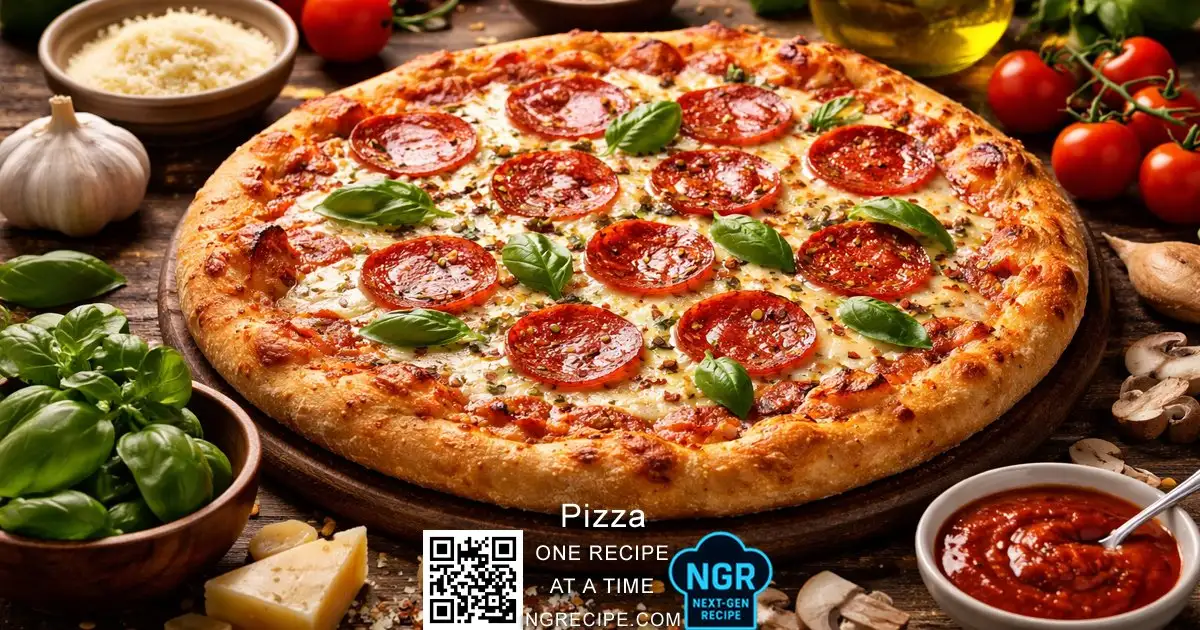
Quick Recipe Card
What This Recipe Is
Cauliflower crust pizza is a grain-free pizza base made primarily from finely processed cauliflower, cheese, and eggs, baked until firm and crisp, then topped like a traditional pizza.
Ingredients
- 1 medium cauliflower (about 600 g / 1.3 lb), riced
- 100 g (1 cup) shredded mozzarella cheese
- 30 g (¼ cup) grated Parmesan cheese
- 1 large egg
- 2 cloves garlic, minced
- 2 g (½ tsp) salt
- 2 g (½ tsp) dried oregano
- 120 ml (½ cup) tomato pizza sauce
- 100 g (1 cup) shredded mozzarella for topping
- Optional toppings: vegetables, cooked chicken, or pepperoni
Equipment
- Food processor or grater
- Clean kitchen towel or cheesecloth
- Mixing bowl
- Baking tray
- Parchment paper
- Oven
Instructions
Step 1:
Preheat oven to 220°C (428°F) and line a baking tray with parchment paper.
Step 2:
Rice the cauliflower using a food processor until fine.
Step 3:
Microwave or steam the cauliflower for 5 minutes, then cool slightly.
Step 4:
Place cauliflower in a clean towel and squeeze out as much moisture as possible.
Step 5:
Transfer to a bowl and mix with egg, mozzarella, Parmesan, garlic, salt, and oregano.
Step 6:
Spread mixture onto the tray, shaping into a thin round crust.
Step 7:
Bake for 20 minutes until firm and lightly golden.
Step 8:
Remove from oven, add tomato sauce and toppings evenly.
Step 9:
Return to oven and bake for another 10–15 minutes until cheese is melted and bubbly.
Step 10:
Rest for 10 minutes before slicing and serving.
Visual Cooking Cues
- Crust edges turn golden brown
- Surface becomes dry and firm before topping
- Cheese bubbles and lightly browns on top
Chef Tips
- Squeeze cauliflower thoroughly for best crisp texture
- Keep crust thin for even cooking
- Use parchment to prevent sticking
Common Mistakes
- Not removing enough moisture
- Overloading toppings
- Skipping pre-bake step
Troubleshooting
- Soggy crust: Remove more moisture and bake longer
- Crust breaking: Add slightly more cheese or egg
- Uneven cooking: Spread crust evenly
Ingredient Pairings
- Basil
- Olives
- Mushrooms
- Chicken
- Spinach
Substitutions
- Egg: Flax egg (for vegetarian alternative)
- Mozzarella: Cheddar or dairy-free cheese
- Tomato sauce: Pesto or white sauce
Recipe Family Variations
- Keto version: Extra cheese, no sauce
- Vegan version: Plant-based cheese and flax egg
- Spicy version: Add chili flakes
Serving Suggestions
- Serve hot with fresh basil
- Pair with green salad
- Serve as a low-carb dinner option
Dietary Classification
- Gluten-free
- Low-carb
- Keto-friendly (with adjustments)
- Vegetarian
Nutrition Information
- Calories: ~220 kcal
- Protein: ~12 g
- Fat: ~14 g
- Carbohydrates: ~10 g
- Fiber: ~3 g
- Sodium: ~400 mg
Storage / Reheating
Storage
- Refrigerate in airtight container up to 3 days
Reheating
- Reheat in oven at 180°C (356°F) for 8–10 minutes
- Avoid microwave to maintain crispness
FAQ
Can I make it without cheese?
Yes, but texture will be softer and less stable.
Why is my crust soggy?
Insufficient moisture removal is the main cause.
Can I freeze it?
Yes, freeze pre-baked crust for best results.
Why This Recipe Works
Removing moisture from cauliflower ensures a firm crust, while cheese and egg act as binders to create structure and crispness during baking.
Recipe Identity
- Origin: Modern global adaptation
- Cuisine influence: Italian-inspired
- Core concept: Vegetable-based pizza crust
Dish Classification
- Dish type: Pizza
- Course: Main course
- Meal type: Lunch or dinner
- Traditional or modern dish: Modern adaptation
- Street food or home cooking: Home cooking
- Festival or everyday food: Everyday healthy meal
Recipe History
Cauliflower crust pizza emerged in the early 2010s with the rise of gluten-free and low-carb diets, becoming widely popular among keto and health-conscious communities.
Cultural Notes
This dish reflects modern dietary trends rather than traditional Italian pizza methods.
Advanced Cooking Knowledge Open detailed cooking science and reference notes
Flavor, Texture, and Aroma Profile
- Flavor: Mild, cheesy, slightly nutty
- Texture: Crisp edges with tender center
- Aroma: Roasted cauliflower with baked cheese notes
Flavor Balance
- Balanced between savory umami, light sweetness from cauliflower, and mild acidity from sauce
Flavor Components
- Sweet: Natural sugars in cauliflower
- Salt: Cheese and seasoning
- Acid: Tomato sauce
- Bitter: Minimal
- Umami: Cheese and toppings
- Aromatic elements: Garlic, herbs
Ingredient Notes
- Use fresh cauliflower for best texture
- Pre-shredded cheese may contain anti-caking agents that reduce melt quality
Ingredient Science
- Cauliflower contains high water content, requiring removal to prevent soggy crust
- Egg proteins coagulate during baking to bind the structure
- Cheese fat contributes to browning and crispness
Ingredient Roles
- Cauliflower: Base structure
- Egg: Binder
- Cheese: Structure and flavor
- Garlic and oregano: Flavor enhancers
- Sauce: Moisture and acidity
Ingredient Classification
- Vegetable: Cauliflower
- Dairy: Mozzarella, Parmesan
- Protein: Egg
- Aromatics: Garlic, herbs
Preparation Techniques
- Ricing cauliflower finely
- Moisture extraction using cloth squeezing
- Mixing and binding dough evenly
Cooking Techniques
- Pre-baking crust for structure
- High-heat baking for crisping
- Layering toppings evenly
Heat Management
- Low heat stages: None
- Medium heat stages: Initial baking stabilization
- High heat stages: Final crisping at 220°C (428°F)
- Temperature cues: Golden edges and firm center
Texture Development
- Moisture removal ensures crispness
- Cheese caramelization creates a firm outer layer
Cooking Time Control
- Avoid underbaking crust before adding toppings
- Monitor edges for browning to prevent burning
Flavor Pairing Logic
- Mild base pairs well with bold toppings
- Cheese enhances umami balance
- Herbs add aromatic complexity
Global Variations
- Mediterranean: Olives, feta, herbs
- American: Pepperoni and extra cheese
- Indian: Paneer and tikka spices
Leftover Ideas
- Cut into strips for snacks
- Use as sandwich base
- Reheat with fresh toppings
Cooking Safety Notes
- Ensure egg is fully cooked
- Avoid cross-contamination with raw ingredients
Sustainability Notes
- Cauliflower is widely available and low-impact compared to wheat processing
- Use seasonal vegetables for toppings
