Fish Burger
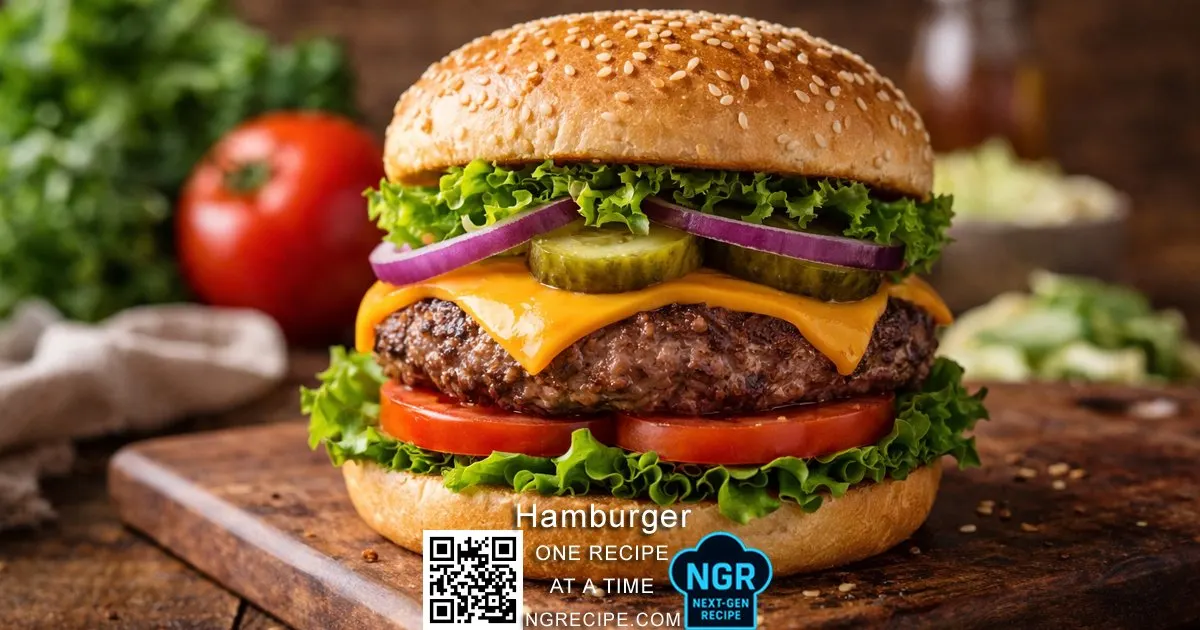
A crispy, golden fish fillet tucked inside a soft bun with fresh toppings and creamy sauce, offering a perfect balance of crunch, tenderness, and flavor in every bite.
Quick Recipe Card
What This Recipe Is
A fish burger is a sandwich-style dish featuring a seasoned and breaded fish fillet, cooked until crisp and served in a bun with fresh vegetables and sauce. It is a popular alternative to beef burgers, offering a lighter yet satisfying option.
Ingredients
- 4 white fish fillets (such as cod), 120 g each (4 oz each)
- 4 burger buns
- 100 g (1 cup) breadcrumbs
- 60 g (1/2 cup) all-purpose flour
- 2 eggs
- 5 g (1 tsp) salt
- 2 g (1/2 tsp) black pepper
- 5 g (1 tsp) garlic powder
- 15 ml (1 tbsp) lemon juice
- 120 ml (1/2 cup) mayonnaise
- 4 lettuce leaves
- 8 tomato slices
- 250 ml (1 cup) vegetable oil for frying
Equipment
- Frying pan or deep skillet
- Mixing bowls
- Tongs
- Paper towels
- Knife and cutting board
Instructions
Step 1:
Pat the fish fillets dry and season with salt, pepper, garlic powder, and lemon juice.
Step 2:
Place flour in one bowl, beaten eggs in another, and breadcrumbs in a third.
Step 3:
Coat each fillet in flour, then dip in egg, and finally coat with breadcrumbs.
Step 4:
Heat vegetable oil in a pan to 170–180°C (340–356°F).
Step 5:
Fry the fillets for 3–4 minutes per side until golden and crispy.
Step 6:
Remove and place on paper towels to drain excess oil.
Step 7:
Lightly toast the burger buns.
Step 8:
Spread mayonnaise on the buns.
Step 9:
Place lettuce, fried fish, and tomato slices inside the bun.
Step 10:
Close the burger and serve immediately.
Visual Cooking Cues
- Golden brown crust indicates proper frying
- Bubbling oil should be steady, not aggressive
- Fish flakes easily when pressed lightly
Chef Tips
- Chill coated fish for 10 minutes before frying for better crust
- Use fresh oil to avoid off-flavors
- Do not press the fish while frying
Common Mistakes
- Oil too cold leading to soggy coating
- Overcrowding pan reduces crispness
- Skipping drying step causes coating to fall off
Troubleshooting
- Soggy fish: Increase oil temperature
- Coating falling off: Ensure proper flour base
- Fish breaking: Use thicker fillets and handle gently
Ingredient Pairings
- Lemon wedges
- Tartar sauce
- Pickles
- Coleslaw
Substitutions
- Use panko instead of breadcrumbs for extra crunch
- Replace mayonnaise with yogurt-based sauce
- Use whole wheat buns for added fiber
Recipe Family Variations
- Spicy fish burger with chili powder
- Grilled fish burger instead of fried
- Cheese-topped fish burger
Serving Suggestions
- Serve hot with fries or salad
- Pair with cold beverages
- Add pickles for extra crunch
Dietary Classification
- Non-vegetarian
- Pescatarian-friendly
Nutrition Information
- Calories: ~350 kcal
- Protein: ~22 g
- Fat: ~15 g
- Carbohydrates: ~30 g
- Fiber: ~2 g
- Sodium: ~500 mg
Storage / Reheating
Storage
- Store cooked fish separately in airtight container up to 2 days
- Keep buns and vegetables separate
Reheating
- Reheat in oven at 180°C (356°F) for 8–10 minutes
- Avoid microwave to preserve crispness
FAQ
Can I bake instead of fry?
Yes, bake at 200°C (392°F) until crisp.
What fish works best?
Firm white fish like cod or haddock.
How to keep it crispy?
Maintain correct oil temperature and avoid stacking.
Why This Recipe Works
- Proper coating ensures a crisp crust while keeping fish moist
- Controlled oil temperature prevents sogginess
- Balanced toppings enhance flavor without overpowering the fish
Dish Classification
- Dish type: Sandwich
- Course: Main course
- Meal type: Lunch, Dinner
- Traditional or modern dish: Modern
- Street food or home cooking: Both
- Festival or everyday food: Everyday food
Recipe History
Fish burgers evolved as a seafood variation of classic burgers, becoming widely popular in coastal regions and fast-food culture as a lighter alternative to meat-based burgers.
Cultural Notes
- Widely popular in fast food and coastal cuisines
- Adaptable to local flavors globally
Advanced Cooking Knowledge Open detailed cooking science and reference notes
Flavor, Texture, and Aroma Profile
- Flavor: Mild, savory, slightly tangy
- Texture: Crispy exterior, flaky interior, soft bun
- Aroma: Fresh seafood with toasted bread and light spices
Flavor Balance
- Balanced between savory umami from fish, slight acidity from sauce, and freshness from vegetables
Flavor Components
- Sweet: Bun
- Salt: Seasoning and fish
- Acid: Lemon juice, sauce
- Bitter: Minimal
- Umami: Fish, mayonnaise
- Aromatic elements: Garlic, pepper
Ingredient Notes
- Use firm white fish for best structure
- Fresh breadcrumbs provide better texture than very fine crumbs
- Soft buns improve bite balance
Ingredient Science
- Flour creates a dry surface for egg adhesion
- Egg acts as a binding layer for breadcrumbs
- Breadcrumbs form a crisp crust through Maillard reaction
Ingredient Roles
- Fish: Main protein
- Breadcrumbs: Texture and crispness
- Eggs: Binding
- Flour: Coating base
- Oil: Heat transfer medium
- Mayonnaise: Moisture and flavor
Ingredient Classification
- Protein: Fish
- Carbohydrates: Bun, breadcrumbs
- Fat: Oil, mayonnaise
- Vegetables: Lettuce, tomato
Preparation Techniques
- Pat fish dry to improve coating adhesion
- Set up breading station: flour, egg, breadcrumbs
- Coat evenly without gaps
Cooking Techniques
- Shallow frying for crisp exterior
- Gentle handling to avoid breaking fillets
Heat Management
- Low heat stages: Initial oil heating
- Medium heat stages: Cooking fish evenly
- High heat stages: Final crisping if needed
- Temperature cues: Oil at 170–180°C (340–356°F)
Texture Development
- Proper breading ensures crunch
- Avoid overcrowding to maintain crispness
Cooking Time Control
- 3–4 minutes per side depending on thickness
- Fish should flake easily when done
Flavor Pairing Logic
- Acid cuts richness
- Creamy sauces balance crisp texture
- Fresh vegetables add contrast
Global Variations
- British-style fish sandwich with tartar sauce
- Asian-inspired with spicy mayo and slaw
- Mediterranean with yogurt sauce and herbs
Leftover Ideas
- Use leftover fish in wraps
- Chop and add to salads
- Make fish sliders
Cooking Safety Notes
- Ensure fish reaches safe internal temperature (~63°C / 145°F)
- Avoid water in hot oil to prevent splatter
Sustainability Notes
- Choose sustainably sourced fish
- Avoid overfished species
