Focaccia Pizza
A soft, airy, olive oil–rich Italian flatbread meets classic pizza toppings to create a thick, fluffy, and flavorful focaccia-style pizza with a crisp base and tender crumb.
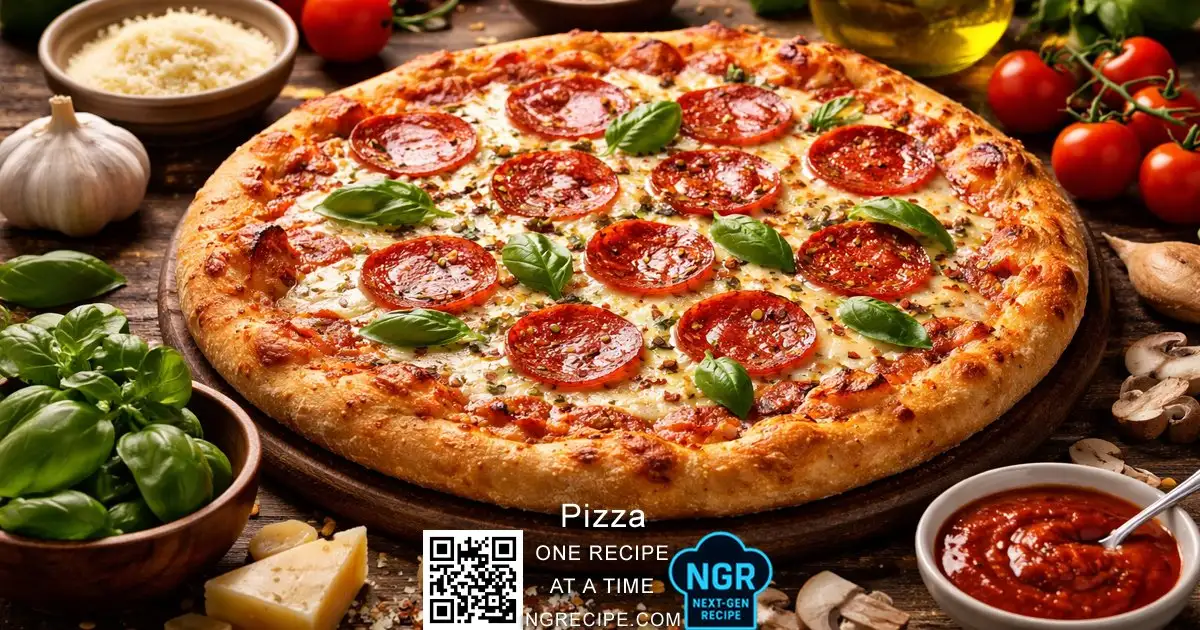
Quick Recipe Card
What This Recipe Is
Focaccia Pizza is a hybrid of traditional focaccia bread and pizza. It features a thick, well-hydrated dough, enriched with olive oil, baked until golden, and topped with tomato sauce, cheese, and simple toppings.
Ingredients
- 500 g all-purpose flour (4 cups)
- 7 g instant yeast (2 1/4 tsp)
- 10 g salt (2 tsp)
- 400 ml warm water (1 2/3 cups)
- 60 ml olive oil (1/4 cup), plus extra for drizzling
- 200 ml tomato sauce (3/4 cup)
- 200 g mozzarella cheese, shredded (2 cups)
- 1 tsp dried oregano (1 tsp)
- 1/2 tsp black pepper (1/2 tsp)
Equipment
- Mixing bowl
- Baking tray
- Oven
- Spatula or hands
- Measuring tools
Instructions
Step 1:
In a bowl, mix flour, yeast, and salt.
Step 2:
Add warm water and olive oil, mix until a sticky dough forms.
Step 3:
Cover and let it rest for 15 minutes.
Step 4:
Stretch and fold the dough gently, then cover and proof for 1 hour.
Step 5:
Oil a baking tray generously and transfer dough.
Step 6:
Stretch dough to fit the tray and let it rest for 20 minutes.
Step 7:
Dimple the surface with fingers and drizzle olive oil.
Step 8:
Spread tomato sauce evenly over the dough.
Step 9:
Add shredded mozzarella cheese.
Step 10:
Sprinkle oregano and black pepper.
Step 11:
Bake at 220°C (430°F) for 20–25 minutes until golden.
Step 12:
Remove, cool slightly, slice, and serve.
Visual Cooking Cues
- Dough doubles in size during proofing
- Surface shows bubbles before baking
- Crust turns golden brown
- Cheese melts and lightly browns
Chef Tips
- Use wet hands to handle sticky dough
- Do not overwork the dough
- Preheat oven fully for best rise
Common Mistakes
- Adding too much flour makes dense bread
- Low oven temperature causes soggy crust
- Overloading toppings prevents proper baking
Troubleshooting
- Dough not rising: Yeast inactive or water too hot
- Soggy base: Increase oven temperature or reduce sauce
- Dry texture: Add more olive oil or reduce baking time
Ingredient Pairings
- Fresh basil
- Olives
- Roasted vegetables
- Grilled chicken
Substitutions
- Whole wheat flour for partial substitution
- Vegan cheese alternative
- Fresh herbs instead of dried
Recipe Family Variations
- Garlic focaccia pizza
- Cheese-only version
- Spicy chili oil topping
Serving Suggestions
Serve warm with salad, soup, or as a standalone meal.
Dietary Classification
- Vegetarian
- Can be made vegan with substitutions
Nutrition Information
- Calories: ~320 kcal
- Protein: 10 g
- Fat: 12 g
- Carbohydrates: 40 g
- Fiber: 2 g
- Sodium: 450 mg
Storage / Reheating
Storage
Store in airtight container at room temperature for 1 day or refrigerate for 3 days.
Reheating
Reheat in oven at 180°C (350°F) for 5–8 minutes.
FAQ
Can I use active dry yeast?
Yes, activate in warm water first
Why is my dough sticky?
High hydration is intentional
Can I freeze it?
Yes, after baking
Why This Recipe Works
High hydration dough creates air pockets and softness, while olive oil enhances flavor and prevents dryness. A hot oven ensures a crisp base without over-drying the interior.
Recipe Identity
A rustic Italian-inspired pizza variation that prioritizes soft texture, rich olive oil flavor, and a crisp bottom crust.
Dish Classification
- Dish type: Flatbread-based pizza
- Course: Main course
- Meal type: Lunch, Dinner
- Traditional or modern dish: Traditional-inspired modern adaptation
- Street food or home cooking: Both
- Festival or everyday food: Everyday food
Recipe History
Focaccia originates from Italy, particularly Liguria. Combining focaccia with pizza toppings is a natural evolution, blending bread-making traditions with pizza culture.
Cultural Notes
Focaccia pizza bridges bread and pizza traditions, emphasizing texture and olive oil richness.
Advanced Cooking Knowledge Open detailed cooking science and reference notes
Flavor, Texture, and Aroma Profile
- Soft, airy interior with a crisp, golden base
- Rich olive oil aroma
- Balanced savory tomato and cheese topping
Flavor Balance
- Mild sweetness from dough fermentation
- Saltiness from cheese and seasoning
- Light acidity from tomato sauce
- Strong umami from cheese and baked crust
Flavor Components
- Sweet: Light (fermented dough)
- Salt: Moderate
- Acid: Mild (tomato sauce)
- Bitter: Minimal
- Umami: High
- Aromatic elements: Olive oil, baked bread aroma, herbs
Ingredient Notes
- Use high-quality olive oil for authentic flavor
- Fresh mozzarella gives better melt and moisture balance
- Warm water should be around 38°C (100°F)
Ingredient Science
- Yeast fermentation produces gas, creating airy texture
- Olive oil coats gluten strands, improving softness
- Salt controls yeast activity and strengthens dough
Ingredient Roles
- Flour: Structure
- Yeast: Leavening
- Olive oil: Moisture and flavor
- Tomato sauce: Acidity and moisture
- Cheese: Fat, salt, and umami
Ingredient Classification
- Base: Flour, water
- Leavening: Yeast
- Fat: Olive oil
- Topping: Tomato sauce, cheese, herbs
Preparation Techniques
- Mixing high-hydration dough
- Stretching and folding
- Dimpling dough with fingers
Cooking Techniques
- Baking at high temperature
- Oil-based crust formation
Heat Management
- Low heat stages: Dough proofing at room temperature
- Medium heat stages: Initial oven warming
- High heat stages: Baking at 220°C (430°F)
- Temperature cues: Golden edges, bubbling cheese
Texture Development
- Air pockets formed during fermentation
- Crisp bottom from oil contact
- Soft crumb retained by moisture
Cooking Time Control
- Underbaking leads to soggy base
- Overbaking dries out crumb
Flavor Pairing Logic
- Olive oil enhances fat-soluble flavors
- Tomato acidity balances cheese richness
- Herbs add aromatic complexity
Global Variations
- American thick crust pizza
- Sicilian-style pizza
- Mediterranean vegetable focaccia
Leftover Ideas
- Make sandwiches
- Cut into croutons
- Reheat with extra toppings
Cooking Safety Notes
- Avoid overheating oil
- Ensure dough is fully baked
Sustainability Notes
- Use local ingredients when possible
- Minimize food waste
