Neapolitan Pizza
A classic Italian pizza defined by its soft, airy crust, minimal toppings, and high-heat baking. Neapolitan pizza is simple yet deeply technical, delivering a perfect balance of chew, char, and fresh flavors.
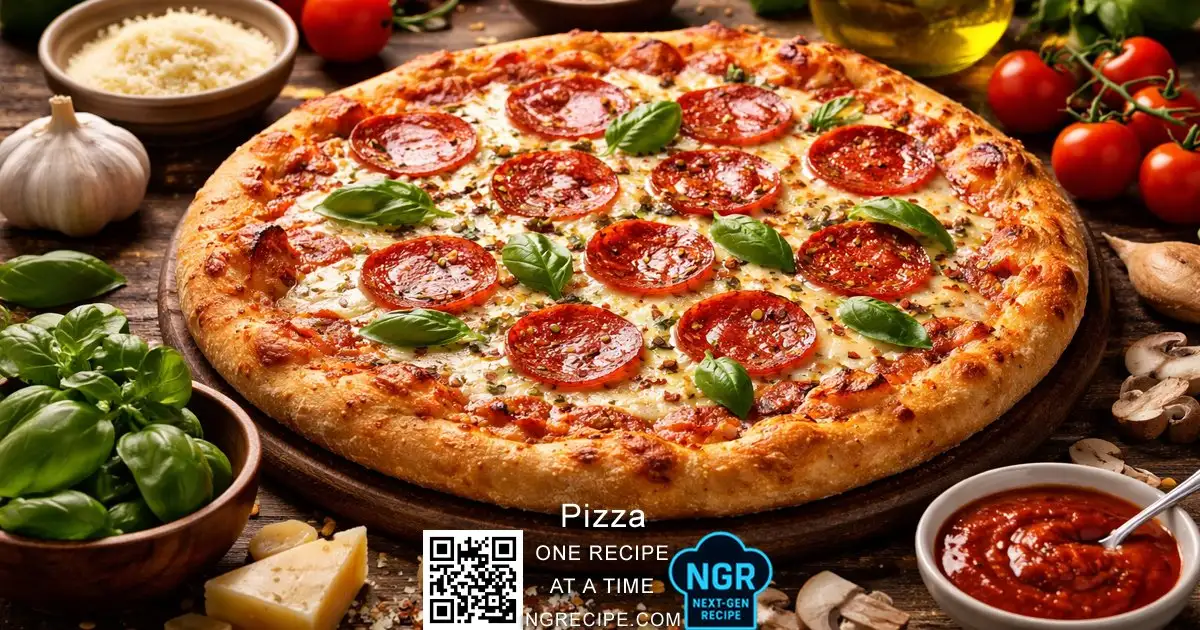
Quick Recipe Card
What This Recipe Is
Neapolitan Pizza is a traditional Italian flatbread pizza made with a highly hydrated dough, hand-stretched base, San Marzano tomato sauce, fresh mozzarella, and baked at extremely high temperatures for a soft, charred crust.
Ingredients
- 500 g (4 cups) Tipo “00” flour
- 325 ml (1 ⅓ cups) water
- 10 g (2 tsp) salt
- 2 g (½ tsp) active dry yeast
- 400 g (14 oz) San Marzano tomatoes (crushed)
- 250 g (9 oz) fresh mozzarella cheese
- 10 ml (2 tsp) olive oil
- Fresh basil leaves
Equipment
- Mixing bowl
- Dough scraper
- Pizza peel
- Wood-fired oven or oven with pizza stone
Instructions
Step 1:
Mix flour, water, yeast, and salt into a dough.
Step 2:
Knead until smooth and elastic.
Step 3:
Cover and ferment for 18–24 hours at room temperature.
Step 4:
Divide into 4 dough balls and rest for 2–4 hours.
Step 5:
Preheat oven to maximum temperature with a pizza stone.
Step 6:
Hand-stretch dough into a thin round base.
Step 7:
Spread crushed tomatoes evenly.
Step 8:
Add mozzarella pieces and basil leaves.
Step 9:
Drizzle olive oil lightly.
Step 10:
Transfer to oven and bake for 60–90 seconds until charred and puffed.
Visual Cooking Cues
- Crust bubbles and rises quickly
- Edges develop leopard-like char spots
- Cheese melts but does not brown heavily
Chef Tips
- Do not use a rolling pin; preserve air bubbles
- Use minimal sauce to avoid sogginess
- Keep dough soft and slightly sticky
Common Mistakes
- Overloading toppings
- Using low oven temperature
- Over-kneading or under-fermenting dough
Troubleshooting
- Dough too sticky: Lightly flour hands
- Pizza soggy: Reduce sauce and increase heat
- Dough tears: Allow more resting time
Ingredient Pairings
- Fresh basil
- Parmesan cheese
- Garlic oil
- Chili flakes
Substitutions
- Tipo “00” flour → All-purpose flour
- Fresh mozzarella → Low-moisture mozzarella
- San Marzano tomatoes → Any ripe plum tomatoes
Recipe Family Variations
- Margherita: Tomato, mozzarella, basil
- Marinara: Tomato, garlic, oregano (no cheese)
Serving Suggestions
- Serve immediately after baking
- Pair with salad or light appetizers
- Best enjoyed hot
Dietary Classification
- Vegetarian
Nutrition Information
- Calories: ~800 kcal
- Protein: 25 g
- Fat: 20 g
- Carbohydrates: 120 g
- Fiber: 4 g
- Sodium: 900 mg
Storage / Reheating
Storage
- Best eaten fresh
- Can refrigerate leftovers for up to 2 days
Reheating
- Reheat in hot oven at 220°C (430°F) for 5 minutes
FAQ
Why is my crust not airy?
Insufficient fermentation or overhandling the dough.
Can I make it without a pizza oven?
Yes, use a very hot conventional oven with a pizza stone.
Why does my pizza become soggy?
Too much sauce or low baking temperature.
Why This Recipe Works
- High hydration dough creates airy, soft crumb
- Long fermentation develops flavor and elasticity
- High heat produces rapid oven spring and char
- Minimal toppings prevent sogginess and maintain balance
Dish Classification
- Dish type: Pizza
- Course: Main course
- Meal type: Lunch, Dinner
- Traditional or modern dish: Traditional
- Street food or home cooking: Both
- Festival or everyday food: Everyday food
Recipe History
Originating in Naples, Italy, Neapolitan Pizza dates back to the 18th century. It became globally recognized with the Margherita variation, representing the Italian flag.
Cultural Notes
- Recognized by UNESCO as intangible cultural heritage
- Strict traditional standards define authentic preparation
Advanced Cooking Knowledge Open detailed cooking science and reference notes
Flavor, Texture, and Aroma Profile
- Soft, elastic crust with charred spots
- Light, slightly tangy dough flavor
- Fresh tomato brightness
- Creamy, milky cheese
- Subtle olive oil aroma
Flavor Components
- Sweet: Mild (from tomatoes)
- Salt: Moderate (cheese and dough seasoning)
- Acid: Medium (tomato sauce)
- Bitter: Slight (charred crust)
- Umami: Strong (tomato and cheese)
- Aromatic elements: Olive oil, basil
Ingredient Notes
- Tipo “00” flour ensures soft, elastic dough
- San Marzano tomatoes provide balanced acidity
- Fresh mozzarella melts evenly without greasiness
Ingredient Science
- High hydration promotes gluten extensibility
- Salt strengthens gluten and controls fermentation
- Yeast fermentation produces CO₂ for airy structure
Ingredient Roles
- Flour: Structure
- Water: Hydration and gluten development
- Yeast: Leavening
- Salt: Flavor and control
- Tomatoes: Sauce base
- Cheese: Fat and texture
- Olive oil: Aroma and richness
- Basil: Fresh herbal note
Ingredient Classification
- Base: Dough
- Sauce: Tomato
- Topping: Cheese and herbs
Preparation Techniques
- Dough hydration and mixing
- Long fermentation
- Gentle hand stretching
Cooking Techniques
- High-temperature baking
- Direct heat exposure
- Rapid cooking
Heat Management
- Low heat stages: None
- Medium heat stages: Preheating oven
- High heat stages: Baking at 450–500°C (850–930°F)
- Temperature cues: Dough puffs quickly and chars in spots
Texture Development
- Air pockets form through fermentation
- Rapid baking creates soft interior and crisp exterior
Cooking Time Control
- Bake for 60–90 seconds only
- Overcooking dries crust and burns toppings
Flavor Pairing Logic
- Acidic tomatoes balance creamy cheese
- Herbal basil complements rich dough
- Olive oil enhances aroma and mouthfeel
Global Variations
- American-style pizza (thicker crust)
- Roman pizza (crispier base)
- New York pizza (larger, foldable slices)
Leftover Ideas
- Slice and toast for crispy snacks
- Use as base for breakfast pizza
Cooking Safety Notes
- Handle hot ovens carefully
- Use heat-resistant gloves
Sustainability Notes
- Use locally sourced ingredients when possible
- Minimize food waste by portioning dough
