Paleo Fish and Chips
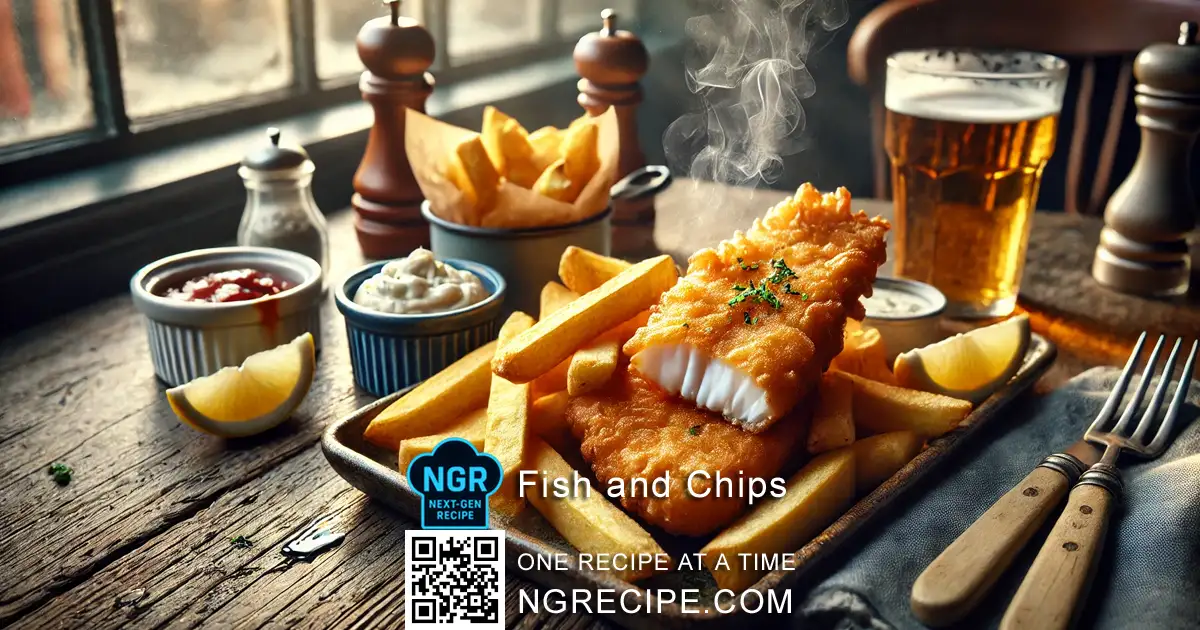
Crisp, golden Paleo Fish and Chips gives the classic comfort of flaky fish and hearty chips without wheat flour, breadcrumbs, dairy, or deep-fried heaviness. This version uses a grain-free coating, hot oven or air-fryer heat, and carefully cut potatoes for a lighter, clean-eating take on a British favourite.
Quick Recipe Card
What This Recipe Is
Paleo Fish and Chips is a grain-free, dairy-free version of the classic fish-and-chips plate. Instead of wheat batter or breadcrumbs, the fish is coated with a light mixture of almond flour, coconut flour, egg, sparkling water, and seasonings. The coating bakes or air-fries into a crisp crust while the fish stays tender and moist inside.
The chips are made from potatoes cut into thick batons, tossed with olive oil, salt, pepper, and paprika, then roasted until golden at the edges. While some strict paleo eaters avoid white potatoes, many modern paleo-style approaches include them as a whole-food starch. For a stricter version, sweet potatoes or parsnips can be used instead.
Ingredients
- 680 g firm white fish fillets, such as cod, haddock, pollock, or halibut, cut into 4 portions (1 1/2 lb)
- 900 g potatoes, cut into thick chips (2 lb)
- 45 ml olive oil (3 tbsp)
- 80 g almond flour (3/4 cup)
- 24 g coconut flour (3 tbsp)
- 2 large eggs
- 60 ml cold sparkling water (1/4 cup)
- 15 ml fresh lemon juice (1 tbsp)
- 1 lemon, cut into wedges
- 8 g fine sea salt, divided (1 1/4 tsp)
- 2 g black pepper, divided (1 tsp)
- 4 g paprika (1 tsp)
- 3 g garlic powder (1 tsp)
Equipment
- Large baking tray
- Wire rack
- Parchment paper
- Mixing bowls
- Whisk
- Sharp knife
- Cutting board
- Kitchen towel or paper towel
- Tongs
- Air fryer or oven
- Instant-read thermometer, optional but helpful
Instructions
Step 1:
Heat the oven to 220°C (425°F). Line a large baking tray with parchment paper and place a wire rack on a second tray for the fish. Pat the fish fillets dry with a kitchen towel so the coating can cling properly.
Step 2:
Place the cut potatoes in a bowl and cover them with cold water for 10 minutes. Drain well and dry thoroughly. Toss the potatoes with olive oil, 4 g sea salt, 1 g black pepper, and paprika until evenly coated.
Step 3:
Spread the potatoes in a single layer on the prepared baking tray. Bake for 25 to 35 minutes, turning once halfway through, until the chips are golden, crisp at the edges, and tender inside.
Step 4:
While the chips bake, whisk the eggs, sparkling water, and fresh lemon juice in a bowl until smooth. In a separate bowl, combine almond flour, coconut flour, garlic powder, the remaining sea salt, and the remaining black pepper.
Step 5:
Dip each fish fillet into the egg mixture, letting the excess drip off. Press the fish gently into the almond flour mixture until evenly coated on all sides. Place the coated fish on the prepared wire rack.
Step 6:
Bake the fish at 220°C (425°F) for 14 to 18 minutes, turning carefully once halfway through, until the coating is golden and the fish flakes easily. The centre of the fish should reach 63°C (145°F) if checked with an instant-read thermometer.
Step 7:
Let the fish rest for 5 minutes so the coating firms slightly. Serve the fish hot with the roasted chips and lemon wedges.
Visual Cooking Cues
- The chips should look dry and lightly blistered before roasting, not wet or glossy with water. During baking, the edges should darken first, while the centres remain soft and fluffy.
- The fish coating should appear pale and dry before baking, then turn golden and slightly crisp as it cooks. The fish is ready when the flesh separates into clean flakes with gentle pressure.
- If the coating looks too dark before the fish is cooked through, reduce the heat slightly to 200°C (400°F) for the final few minutes.
Chef Tips
- Dry the fish very well before coating. Moisture on the surface prevents the almond flour mixture from gripping and can make the crust patchy.
- Keep the sparkling water cold. The bubbles help lighten the egg mixture and prevent the coating from feeling too heavy.
- Use a wire rack for the fish whenever possible. Air circulation under the fillets helps the bottom crust cook more evenly.
- Cut the chips to a similar size so they cook at the same pace. Very thin pieces may burn before thick pieces become tender.
Common Mistakes
- Using wet fish is the most common reason the coating falls off. Always pat the fillets dry before dipping.
- Overcrowding the tray traps steam and softens both the chips and fish coating. Leave space between pieces.
- Adding too much coconut flour can make the crust dry and sandy. A small amount helps structure the coating, but almond flour should remain the main base.
- Turning the fish too early can break the crust. Wait until the first side has firmed before flipping.
Troubleshooting
If the fish coating falls off, the fillets were likely too wet or moved too much before the crust set. Dry the fish thoroughly and handle it gently with tongs.
If the chips are soft, they may be crowded or not dry enough before baking. Spread them wider and continue roasting until the edges crisp.
If the coating tastes bland, increase the salt slightly next time and make sure the fish itself is lightly seasoned through the coating mixture.
If the fish is dry, it was cooked too long or the fillets were thin. Start checking thinner pieces after 10 to 12 minutes.
Ingredient Pairings
- White fish pairs well with lemon, garlic powder, paprika, black pepper, and olive oil because these flavours support the mild, clean taste of the fish without overpowering it.
- Potatoes work well with paprika and sea salt because the seasoning adds warmth and savoury depth while keeping the chips simple.
- Almond flour and coconut flour pair effectively because almond flour gives richness and browning, while coconut flour absorbs moisture and helps the crust hold together.
Substitutions
- For a stricter paleo version, replace potatoes with sweet potatoes or parsnips. The texture will be softer and sweeter, but the method remains the same.
- Cod, haddock, pollock, halibut, or another firm white fish can be used. Avoid very delicate fish that breaks easily during coating.
- Avocado oil can replace olive oil if preferred. It works especially well for high-heat roasting.
- For a nut-free version, replace almond flour with additional coconut flour only if used carefully, but the crust will be denser. A better nut-free option is finely ground unsweetened coconut with a small amount of coconut flour.
Recipe Family Variations
- Paleo Baked Fish and Chips
- Paleo Air-Fryer Fish and Chips
- Paleo Sweet Potato Fish and Chips
Serving Suggestions
- Serve Paleo Fish and Chips hot, directly after resting, with lemon wedges on the side. A crisp green salad, cucumber salad, or simple slaw made without dairy works well alongside it.
- For a fuller dinner plate, add roasted vegetables or a small bowl of mashed avocado with lemon and salt. Keep the sides simple so the fish and chips remain the centre of the meal.
Dietary Classification
This recipe is naturally gluten-free, dairy-free, and grain-free. It is paleo-friendly when prepared with whole-food ingredients and no refined seed oils or wheat-based coatings.
It contains fish, eggs, and tree nuts. It is not suitable for vegan, vegetarian, egg-free, fish-free, or nut-free diets unless modified.
Nutrition Information
Approximate nutrition per serving:
- Calories: 520
Protein: 42 g
Carbohydrates: 43 g
Fat: 22 g
Fibre: 7 g
Sugar: 3 g
Sodium: 780 mg
Nutrition will vary depending on the type of fish, potato size, oil absorption, and exact coating thickness.
Storage / Reheating
Store leftover fish and chips in an airtight container in the refrigerator for up to 2 days. Keep the fish and chips in separate containers if possible to preserve texture.
Reheat the fish on a wire rack in a 190°C (375°F) oven for 8 to 10 minutes, or in an air fryer at 180°C (350°F) for 4 to 6 minutes. Reheat the chips separately until hot and crisp.
Avoid microwaving if crispness matters, because steam will soften the coating and chips.
FAQ
Can Paleo Fish and Chips be made in an air fryer?
Yes. Air-fry the chips first at 190°C (375°F) until golden and tender, then air-fry the coated fish at 190°C (375°F) until crisp and cooked through. Work in batches so the basket is not crowded.
Is this recipe fully paleo?
It is paleo-friendly, but white potatoes depend on personal paleo preference. For a stricter version, use sweet potatoes or parsnips instead of potatoes.
What fish works best for Paleo Fish and Chips?
Firm white fish works best. Cod, haddock, pollock, and halibut hold their shape well and have a mild flavour that suits the coating.
Why is my coating not crispy?
The fish may have been wet, the tray may have been crowded, or the fish may not have been cooked on a rack. Dry the fish well and allow air to circulate around it.
Can I prepare the fish ahead of time?
You can cut and dry the fish ahead of time, but coat it just before cooking. If coated too early, the almond flour mixture can absorb moisture and become soft.
Why This Recipe Works
The almond flour provides richness and browning, while the coconut flour absorbs surface moisture and helps the crust cling to the fish. Eggs bind the coating, and sparkling water lightens the mixture so the final crust does not feel heavy.
High heat gives the chips crisp edges and keeps the fish cooking quickly. The wire rack helps the fish crust firm on all sides instead of steaming underneath.
Recipe Identity
Paleo Fish and Chips is a grain-free adaptation of classic fish and chips. Its identity depends on three core elements: firm white fish, a crisp coating, and thick-cut chips served together as one main dish.
The paleo adaptation changes the coating and cooking fat approach while preserving the recognizable structure of the dish.
Dish Classification
This dish is a main course, dinner recipe, comfort food recipe, seafood recipe, and paleo-style adaptation. It belongs to the wider fish-and-chips family because it retains the central pairing of coated fish and chips.
It is best classified as a British-inspired recipe adapted for gluten-free, dairy-free, and grain-free eating.
Recipe History
Fish and chips became closely associated with British food culture through the pairing of fried fish and fried potatoes as an affordable, filling meal. The dish became popular because it combined accessible seafood, hearty potatoes, and a satisfying crisp texture.
Paleo Fish and Chips is a modern adaptation that keeps the familiar plate structure while replacing wheat-based batter and conventional frying with grain-free coating and oven or air-fryer cooking.
Cultural Notes
Traditional fish and chips is commonly served hot with simple seasonings and a sharp, bright element such as vinegar or lemon. This paleo version uses lemon to keep the flavour clean and compatible with the ingredient list.
The dish remains casual, hearty, and family-friendly, but the cooking method and coating are adjusted for modern dietary needs.
Culinary Context
Paleo Fish and Chips sits at the intersection of classic comfort food and dietary adaptation. It respects the core experience of crisp fish with chips while using grain-free ingredients and a lighter cooking method.
The recipe is useful for readers who want a familiar seafood dinner without wheat flour, breadcrumbs, or dairy-based additions.
Advanced Cooking Knowledge Open detailed cooking science and reference notes
Flavor, Texture, and Aroma Profile
The flavour is mild, savoury, lightly nutty, and bright from lemon. The fish tastes clean and delicate, while the coating adds warmth from paprika and garlic powder.
The texture should contrast crisp edges with moist, flaky fish. The chips should be tender in the centre with browned edges and a lightly crisp surface.
The aroma is warm and savoury, with roasted potato, toasted almond flour, mild fish, and citrus.
Flavor Balance
The fish provides mild sweetness and clean seafood flavour. Almond flour adds richness, coconut flour adds subtle sweetness, lemon adds acidity, and paprika adds gentle warmth.
Salt is important because both fish and potatoes need direct seasoning to avoid tasting flat. Lemon wedges at serving help sharpen the final plate.
Flavor Components
The main savoury base comes from white fish, potatoes, olive oil, salt, and garlic powder. Paprika adds colour and mild depth.
The fresh component comes from lemon juice in the coating mixture and lemon wedges at serving. This keeps the dish from feeling heavy.
Ingredient Notes
Choose fish fillets that are firm, boneless, and similar in thickness. Uneven pieces cook at different speeds and can make timing difficult.
Almond flour should be fine rather than coarse. Coarse almond meal creates a rougher crust and may not cling as evenly.
Coconut flour is very absorbent, so it should be measured carefully. Too much can make the coating dry.
Ingredient Science
Almond flour browns because of its fat and protein content, giving the fish coating colour and flavour. Coconut flour absorbs extra moisture and helps reduce sogginess.
Egg proteins set during cooking, binding the coating around the fish. Sparkling water adds lightness before the coating firms in the oven.
Potatoes crisp best when surface moisture is reduced. Drying them thoroughly after soaking helps the exterior roast instead of steam.
Ingredient Roles
White fish is the main protein and central identity of the dish. Potatoes provide the chip component and make the meal filling.
Almond flour forms the main grain-free crust. Coconut flour strengthens the coating. Eggs bind the crust. Sparkling water lightens the texture.
Olive oil supports browning on the chips. Lemon adds acidity. Salt, black pepper, paprika, and garlic powder build savoury flavour.
Ingredient Classification
White fish is a seafood protein. Potatoes are a starchy vegetable. Almond flour and coconut flour are grain-free coating ingredients.
Eggs are binding ingredients. Olive oil is a cooking fat. Lemon is an acidic finishing ingredient. Salt, black pepper, paprika, and garlic powder are seasonings.
Preparation Techniques
Drying the fish is essential for coating adhesion. Soaking and drying the potatoes helps remove surface starch and moisture, improving texture during roasting.
Coating the fish in a wet mixture before pressing it into the dry flour mixture creates a layered crust that holds better during baking.
Cooking Techniques
Roasting is used for the chips to create browned edges and tender centres. Baking or air frying is used for the fish to cook the coating and fish at the same time.
Using a wire rack improves airflow and helps prevent a soggy underside on the fish.
Heat Management
High heat is important for both crisping and fast cooking. The oven should be fully heated before the trays go in.
If the fish fillets are thick, they may need a few extra minutes. If they are thin, they may finish sooner than the chips and should be checked early.
Texture Development
Texture depends on dryness, spacing, and heat. Wet fish creates a soft coating, crowded trays create steam, and low heat prevents proper browning.
The best texture comes from dry fish, evenly coated fillets, a wire rack, and enough space between chips.
Cooking Time Control
The chips usually need more time than the fish, so they should start cooking first. The fish can be coated while the chips roast.
Fish cooking time depends on thickness. The fish is done when it flakes easily and reaches 63°C (145°F) in the centre.
Flavor Pairing Logic
Mild white fish pairs naturally with lemon, garlic, and black pepper because these flavours enhance without masking the fish. Paprika adds colour and warmth without turning the dish spicy.
Potatoes pair well with olive oil and salt because they need fat and seasoning to develop a satisfying roasted flavour.
Leftover Ideas
Leftover fish can be flaked over a green salad with lemon and olive oil. It can also be served with reheated chips and extra lemon for a quick lunch.
Leftover chips can be chopped and reheated until crisp, then served with eggs for a simple breakfast-style meal.
Cooking Safety Notes
Cook fish until it flakes easily and reaches 63°C (145°F) in the thickest part. Keep raw fish separate from ready-to-eat ingredients and wash hands, boards, and utensils after handling it.
Refrigerate leftovers promptly and reheat until hot before serving.
Sustainability Notes
Choose responsibly sourced white fish when possible. Cod, haddock, pollock, and other firm white fish can vary in availability and sustainability depending on region and season.
Using the oven or air fryer instead of deep frying reduces oil waste and makes cleanup easier.
