Pan Pizza
A thick, crispy-bottomed pizza baked in a pan, known for its airy interior, rich toppings, and golden, slightly fried crust. Pan pizza delivers a perfect balance between softness and crunch, making it a favorite for both home cooks and professional kitchens.
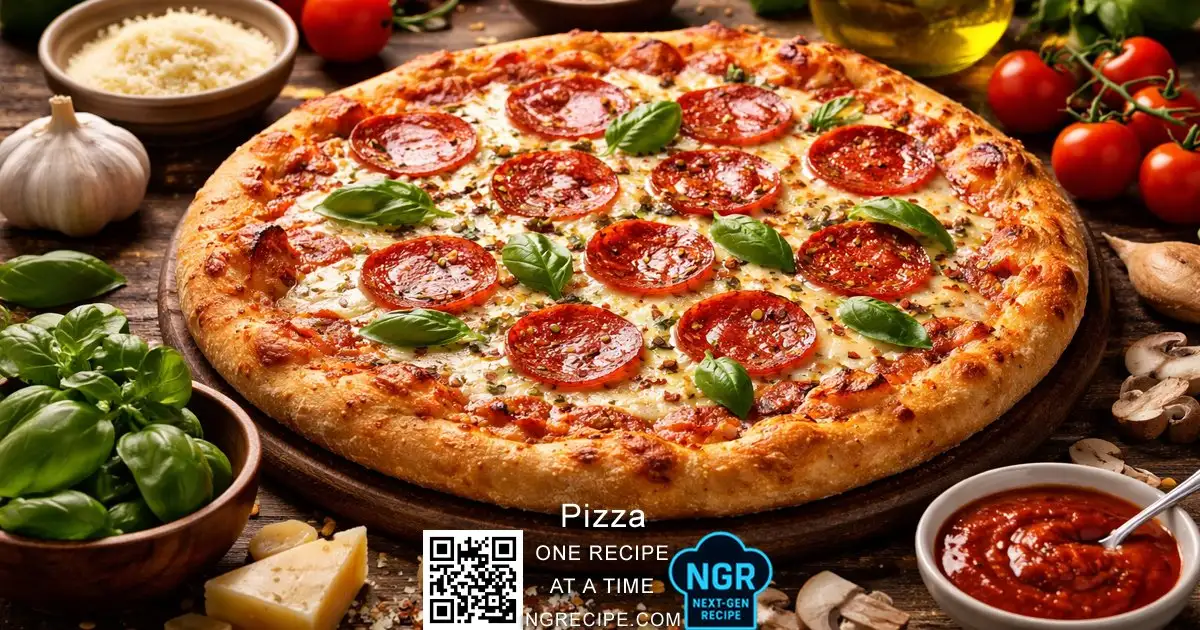
Quick Recipe Card
What This Recipe Is
Pan pizza is a deep, thick-crust pizza baked in an oiled pan, allowing the base to crisp while the interior remains soft and airy. It is designed to maximize texture contrast and flavor richness.
Ingredients
- 300 g all-purpose flour (2 ½ cups)
- 200 ml warm water (¾ cup + 1 tbsp)
- 5 g instant yeast (1 tsp)
- 6 g salt (1 tsp)
- 10 ml olive oil (2 tsp)
- 150 g mozzarella cheese (1 ½ cups shredded)
- 120 ml tomato sauce (½ cup)
- 2 cloves garlic, minced
- 2 g dried oregano (½ tsp)
- 2 g sugar (½ tsp)
- 30 ml olive oil for pan (2 tbsp)
Equipment
- Baking pan (cast iron or metal)
- Mixing bowl
- Oven
- Spatula or hands for shaping
Instructions
Step 1:
In a bowl, mix warm water, yeast, and sugar. Let sit for 5 minutes.
Step 2:
Add flour, salt, and olive oil. Mix and knead into a soft dough.
Step 3:
Cover and let rise for 1–1.5 hours until doubled.
Step 4:
Oil the pan generously with olive oil.
Step 5:
Stretch the dough into the pan evenly.
Step 6:
Spread tomato sauce over the dough.
Step 7:
Add minced garlic and oregano evenly.
Step 8:
Sprinkle mozzarella cheese on top.
Step 9:
Preheat oven to 220°C (430°F).
Step 10:
Bake for 20–25 minutes until golden and crisp.
Step 11:
Let cool slightly before slicing.
Visual Cooking Cues
- Dough doubles in size after proofing
- Cheese turns golden and bubbly
- Edges become crispy and slightly browned
Chef Tips
- Use a well-oiled pan for signature crisp crust
- Preheat oven fully before baking
- Allow slight cooling for clean slicing
Common Mistakes
- Using cold water kills yeast activity
- Insufficient oil leads to soggy base
- Overloading toppings prevents crisping
Troubleshooting
- Dough not rising: Check yeast freshness
- Soggy crust: Increase oven heat or reduce sauce
- Dense texture: Knead properly and allow full rise
Ingredient Pairings
- Basil
- Olives
- Mushrooms
- Pepperoni
Substitutions
- Whole wheat flour for part of all-purpose flour
- Cheddar instead of mozzarella
- Garlic powder instead of fresh garlic
Recipe Family Variations
- Cheese-only pan pizza
- Vegetable-loaded version
- Meat toppings version
Serving Suggestions
- Serve hot with chili flakes or dipping sauces
- Pair with salad or soft drinks
Dietary Classification
- Vegetarian (base version)
Nutrition Information
- Calories: ~320 kcal
- Protein: ~12 g
- Fat: ~14 g
- Carbohydrates: ~35 g
- Fiber: ~2 g
- Sodium: ~500 mg
Storage / Reheating
Storage
- Refrigerate up to 3 days in airtight container
Reheating
- Reheat in oven at 180°C (350°F) for 8–10 minutes
- Avoid microwave to maintain crispness
FAQ
Why is my crust not crispy?
Insufficient oil or low oven temperature.
Can I use a regular pan?
Yes, but cast iron gives best results.
How thick should the dough be?
Moderately thick, about 1–1.5 cm.
Why This Recipe Works
- High hydration dough creates an airy crumb
- Oil in the pan fries the base, creating crispness
- Controlled baking ensures even cooking and melt
- Layering prevents soggy crust
Recipe Identity
- Origin: United States (Italian-American influence)
- Style: Thick crust, pan-baked pizza
- Core technique: High hydration dough + oil-assisted baking
Dish Classification
- Dish type: Pizza
- Course: Main course
- Meal type: Lunch, Dinner
- Traditional or modern dish: Modern adaptation
- Street food or home cooking: Both
- Festival or everyday food: Everyday food
Recipe History
Pan pizza emerged in the United States as a variation of traditional Italian pizza, adapted for deeper pans and richer textures. It became widely popular through pizzerias and chains focusing on thick, indulgent crust styles.
Cultural Notes
- Pan pizza reflects American innovation on Italian pizza traditions
- Known for indulgent texture and rich flavor
Advanced Cooking Knowledge Open detailed cooking science and reference notes
Flavor, Texture, and Aroma Profile
- Flavor: Rich, savory, slightly tangy
- Texture: Crispy bottom, fluffy interior, melted topping
- Aroma: Yeasty bread, baked cheese, tomato sauce
Flavor Balance
- Balanced fat from cheese and oil
- Mild acidity from tomato sauce
- Slight sweetness from dough fermentation
Flavor Components
- Sweet: Mild (from dough fermentation)
- Salt: Moderate
- Acid: Medium (tomato sauce)
- Bitter: Minimal
- Umami: High (cheese + sauce)
- Aromatic elements: Garlic, oregano, olive oil
Ingredient Notes
- Use high-protein flour for better structure
- Whole milk mozzarella melts smoothly
- Warm water should not exceed 40°C (104°F)
Ingredient Science
- Yeast ferments sugars, creating gas and flavor
- Oil tenderizes dough and enhances crisping
- Salt controls fermentation and strengthens gluten
Ingredient Roles
- Flour: Structure
- Yeast: Leavening
- Water: Hydration
- Oil: Crisping and flavor
- Cheese: Fat and umami
- Sauce: Moisture and acidity
Ingredient Classification
- Base: Flour, water, yeast
- Fat: Olive oil, cheese
- Flavoring: Garlic, oregano, sauce
Preparation Techniques
- Mixing and kneading dough
- Fermentation (proofing)
- Pan stretching
Cooking Techniques
- Baking
- Oil-assisted frying effect in pan
Heat Management
- Low heat stages: Dough proofing (ambient)
- Medium heat stages: Initial baking phase
- High heat stages: Final crisping
- Temperature cues: Oven at 220°C (430°F)
Texture Development
- Air pockets from fermentation
- Crisp crust from oil contact
- Soft crumb from hydration
Cooking Time Control
- Do not overbake to avoid dryness
- Monitor cheese melt and crust color
Flavor Pairing Logic
- Acidic sauce balances fatty cheese
- Herbs enhance aroma and complexity
Global Variations
- Detroit-style (square, thicker crust)
- Sicilian-style (airy and rectangular)
- Chicago deep pan variation
Leftover Ideas
- Cut into small squares for snacks
- Use as base for breakfast toppings
Cooking Safety Notes
- Avoid overheating oil in pan
- Ensure oven is stable and preheated
Sustainability Notes
- Use locally sourced ingredients when possible
- Minimize food waste by reusing leftovers
