Pizza al Taglio
Pizza al Taglio is a classic Roman-style pizza baked in large rectangular trays, then cut into slices (“by the cut”). Known for its light, airy crust and crispy base, it’s a versatile, street-food favorite topped with everything from simple tomato sauce to gourmet combinations.
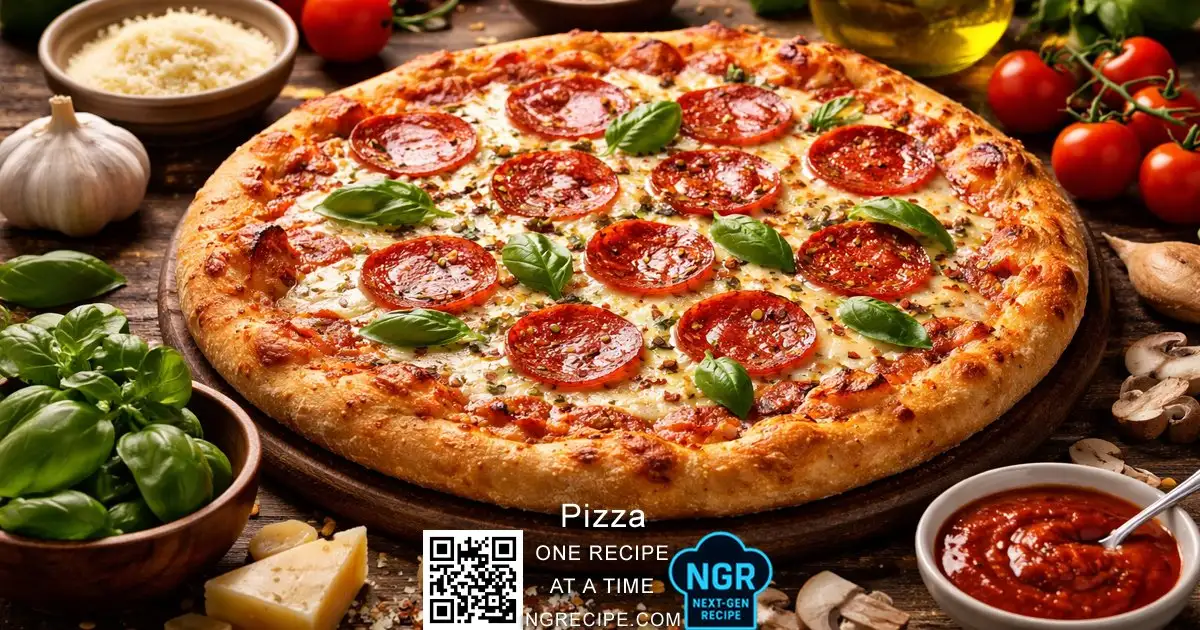
Quick Recipe Card
What This Recipe Is
Pizza al Taglio is a high-hydration, slow-fermented Roman pizza baked in sheet pans and sold by weight or slice. It delivers a crisp bottom, soft interior, and customizable toppings.
Ingredients
- 500 g (4 cups) bread flour
- 400 ml (1 ⅔ cups) water
- 10 g (2 tsp) salt
- 3 g (1 tsp) active dry yeast
- 20 ml (1 ½ tbsp) olive oil
- 200 g (1 cup) tomato sauce
- 250 g (2 cups) mozzarella cheese, shredded
- 5 ml (1 tsp) olive oil (for topping)
Equipment
- Large baking tray (rectangular)
- Mixing bowl
- Dough scraper
- Oven (high heat capable)
Instructions
Step 1:
In a bowl, mix flour and water until combined. Rest 20 minutes.
Step 2:
Add yeast, salt, and olive oil. Mix until smooth dough forms.
Step 3:
Perform stretch and fold every 10 minutes for 30 minutes.
Step 4:
Cover and refrigerate for 18–24 hours.
Step 5:
Remove dough and let rest at room temperature for 1–2 hours.
Step 6:
Oil a baking tray and gently stretch dough to fit.
Step 7:
Spread tomato sauce evenly over dough.
Step 8:
Bake at 250°C (480°F) for 10 minutes.
Step 9:
Add mozzarella and bake another 5–10 minutes until melted and golden.
Step 10:
Drizzle olive oil, slice, and serve.
Visual Cooking Cues
- Dough: Puffy with visible air bubbles
- Crust: Golden brown edges
- Cheese: Fully melted with light browning
Chef Tips
- Use wet hands to handle sticky dough
- Do not overwork dough after fermentation
- Preheat oven thoroughly for best rise
Common Mistakes
- Adding too much flour (reduces hydration)
- Skipping fermentation (less flavor)
- Overloading toppings (causes sogginess)
Troubleshooting
- Dough too sticky: Use light oil instead of flour
- Base not crispy: Increase oven temperature or preheat tray
- Dough not rising: Check yeast activity
Ingredient Pairings
- Fresh basil
- Prosciutto
- Mushrooms
- Olives
Substitutions
- Mozzarella → Cheddar or provolone
- Tomato sauce → Pesto or white sauce
- Bread flour → All-purpose flour (slightly less chewy)
Recipe Family Variations
- White pizza (no tomato sauce)
- Potato and rosemary topping
- Four cheese version
Serving Suggestions
- Serve hot in rectangular slices
- Pair with salads or cold beverages
- Ideal for sharing
Dietary Classification
- Vegetarian
- Can be made vegan (omit cheese or use plant-based cheese)
Nutrition Information
Approximate per serving:
- Calories: 280 kcal
- Protein: 10 g
- Fat: 9 g
- Carbohydrates: 38 g
- Fiber: 2 g
- Sodium: 400 mg
Storage / Reheating
Storage
- Store in refrigerator up to 3 days
- Keep in airtight container
Reheating
- Reheat in oven at 180°C (350°F) for crispness
- Avoid microwave for best texture
FAQ
Can I freeze the dough?
Yes, after fermentation, freeze for up to 1 month.
Why is my dough not airy?
Insufficient fermentation or low hydration.
Can I use a home oven?
Yes, preheat to maximum temperature for best results.
Why This Recipe Works
- High hydration dough creates open crumb and softness
- Long fermentation develops flavor and digestibility
- High-heat baking crisps the base while keeping interior airy
- Olive oil enhances crispness and flavor
Dish Classification
- Dish type: Pizza (Rectangular tray-baked)
- Course: Main course / Snack
- Meal type: Lunch, Dinner, Street snack
- Traditional or modern dish: Traditional with modern variations
- Street food or home cooking: Both (iconic Roman street food)
- Festival or everyday food: Everyday food
Recipe History
Originating in Rome, Pizza al Taglio evolved as a convenient urban street food. Bakers prepared large trays for quick service, cutting slices to order. It differs from Neapolitan pizza with its thicker, airy structure and crisp base.
Cultural Notes
Pizza al Taglio reflects Roman practicality—fast, customizable, and designed for urban life. It represents Italy’s adaptability in street food culture.
Advanced Cooking Knowledge Open detailed cooking science and reference notes
Flavor, Texture, and Aroma Profile
- Flavor: Balanced savory with mild acidity
- Texture: Crispy base, airy crumb, slightly chewy
- Aroma: Yeasty, baked wheat, olive oil, roasted toppings
Flavor Components
- Sweet: Mild (from flour fermentation)
- Salt: Moderate
- Acid: Light (from tomato sauce)
- Bitter: Minimal
- Umami: Strong (cheese and baked dough)
- Aromatic elements: Olive oil, herbs, baked crust
Ingredient Notes
- Bread flour ensures structure for high hydration dough
- Fresh mozzarella gives better melt and flavor
- Use high-quality olive oil for aroma
Ingredient Science
- High hydration increases steam during baking, forming air pockets
- Yeast fermentation produces CO₂, creating light texture
- Salt strengthens gluten and enhances flavor
Ingredient Roles
- Flour: Structure
- Water: Hydration and gluten development
- Yeast: Fermentation and rise
- Salt: Flavor and gluten control
- Olive oil: Tenderness and crisping
- Tomato sauce: Acidity and moisture
- Mozzarella: Fat and umami
Ingredient Classification
- Base: Flour, water, yeast, salt
- Fat: Olive oil
- Topping: Tomato sauce, mozzarella
Preparation Techniques
- Autolyse (hydrating flour before mixing)
- Stretch and fold for gluten development
- Cold fermentation for flavor
Cooking Techniques
- High-temperature baking
- Pan baking with oil
- Even topping distribution
Heat Management
- Low heat stages: Dough fermentation (room temperature or refrigerated)
- Medium heat stages: Initial dough proofing
- High heat stages: Baking at 250°C (480°F)
- Temperature cues: Dough should bubble and puff in oven
Texture Development
- Proper hydration creates airy crumb
- Oil-coated tray crisps base
- High heat ensures contrast between crisp and soft
Cooking Time Control
- Underbaking leads to soggy base
- Overbaking dries interior
- Monitor color: golden brown bottom and edges
Flavor Pairing Logic
- Fat from cheese balances acidity of tomato
- Herbs add freshness to rich base
- Salted meats enhance umami
Global Variations
- Roman classic (simple tomato and cheese)
- Gourmet versions with truffle or arugula
- Street-style with seasonal vegetables
Leftover Ideas
- Use as sandwich base
- Cut into smaller snack bites
- Re-toast with extra toppings
Cooking Safety Notes
- Ensure oven is properly preheated
- Handle hot tray with care
- Avoid undercooked dough
Sustainability Notes
- Use seasonal toppings
- Minimize food waste by reusing leftovers
- Choose locally sourced ingredients
