Pizza Romana
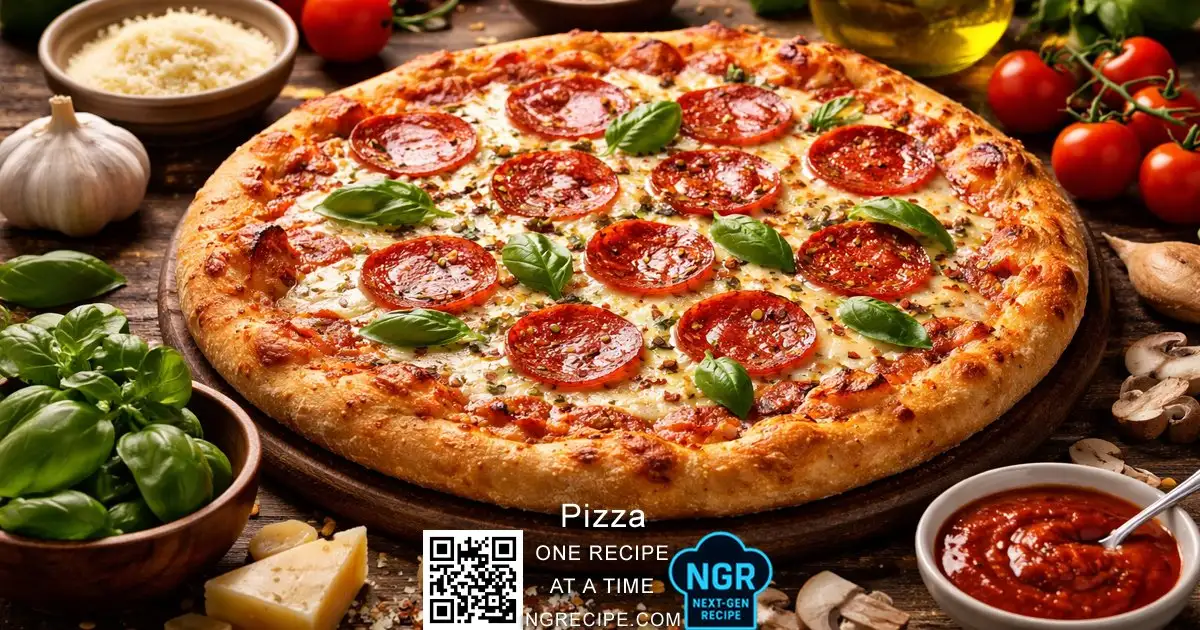
A thin, crisp Roman-style pizza known for its light texture, balanced toppings, and satisfying crunch. Pizza Romana is distinct from its Neapolitan cousin, offering a drier, crackly base that holds toppings beautifully without becoming soggy.
Quick Recipe Card
What This Recipe Is
Pizza Romana is a traditional Roman pizza characterized by a thin, crispy crust, moderate toppings, and even baking. It is designed to be light, crunchy, and easy to digest, making it ideal for everyday meals.
Ingredients
- 300 g (2 ½ cups) all-purpose flour
- 180 ml (¾ cup) water
- 5 g (1 tsp) salt
- 5 g (1 tsp) sugar
- 5 g (1 ½ tsp) instant yeast
- 15 ml (1 tbsp) olive oil
- 200 g (1 cup) crushed tomatoes
- 150 g (1 ½ cups) mozzarella cheese, shredded
- 5 ml (1 tsp) dried oregano
- 5 ml (1 tsp) olive oil (for topping)
Equipment
- Mixing bowl
- Baking tray or pizza stone
- Oven
- Rolling pin
Instructions
Step 1:
In a bowl, combine flour, yeast, sugar, and salt.
Step 2:
Add water and olive oil, then mix into a dough.
Step 3:
Knead for 8–10 minutes until smooth.
Step 4:
Cover and rest for 1 hour until doubled.
Step 5:
Preheat oven to 230°C (446°F).
Step 6:
Divide dough and roll into thin circles.
Step 7:
Spread crushed tomatoes evenly.
Step 8:
Add mozzarella cheese and oregano.
Step 9:
Drizzle olive oil on top.
Step 10:
Bake for 10–12 minutes until crisp and golden.
Visual Cooking Cues
- Dough doubles in size during rest
- Edges turn golden brown
- Cheese melts and slightly browns
Chef Tips
- Roll dough very thin for authentic texture.
- Preheat baking surface for better crisping.
Common Mistakes
- Too much sauce causing sogginess
- Thick dough reducing crispness
- Low oven temperature
Troubleshooting
- Soggy crust: Reduce sauce, increase heat
- Dry crust: Reduce baking time
- Dough tearing: Rest dough longer
Ingredient Pairings
- Olive oil
- Basil
- Garlic
- Anchovies
Substitutions
- Mozzarella: Use provolone
- Flour: Use bread flour for more chew
Recipe Family Variations
- Add anchovies for Roman authenticity
- Use garlic-infused oil
Serving Suggestions
Serve hot with salad or light antipasti.
Dietary Classification
- Vegetarian
Nutrition Information
- Calories: ~550
- Protein: 20 g
- Fat: 18 g
- Carbohydrates: 70 g
- Fiber: 3 g
- Sodium: Moderate
Storage / Reheating
Storage
Store in refrigerator up to 2 days.
Reheating
Reheat in oven for crispness.
FAQ
Why is my pizza not crispy?
Use higher heat and thinner dough.
Can I use fresh mozzarella?
Yes, but drain well to avoid excess moisture.
Why This Recipe Works
A lower hydration dough combined with longer baking at moderate heat creates a crisp structure. Olive oil enhances browning while preventing toughness. Even topping distribution avoids sogginess.
Dish Classification
- Dish type: Flatbread pizza
- Course: Main course
- Meal type: Lunch, Dinner
- Traditional or modern dish: Traditional
- Street food or home cooking: Both
- Festival or everyday food: Everyday food
Recipe History
Originating from Rome, Pizza Romana differs from Neapolitan pizza by focusing on crispness rather than softness. It is commonly baked in electric ovens and served in rectangular or round forms.
Cultural Notes
Roman pizza emphasizes crispness over softness, reflecting regional preferences.
Advanced Cooking Knowledge Open detailed cooking science and reference notes
Flavor, Texture, and Aroma Profile
- Flavor: Balanced savory with mild acidity
- Texture: Thin, crisp base with slightly chewy edges
- Aroma: Toasted dough, olive oil, and baked tomato
Flavor Components
- Sweet: Mild from tomato sugars
- Salt: Moderate from cheese and seasoning
- Acid: Present from tomato sauce
- Bitter: Slight from baked crust
- Umami: From tomato and mozzarella
- Aromatic elements: Olive oil, oregano
Ingredient Notes
- Use low-moisture mozzarella to prevent soggy crust.
- Tomatoes should be well-drained.
Ingredient Science
- Yeast ferments sugars to create gas, forming structure.
- Olive oil shortens gluten strands for crispness.
Ingredient Roles
- Flour: Structure
- Water: Hydration
- Yeast: Leavening
- Salt: Flavor and gluten strength
- Olive oil: Tenderness and browning
- Tomato: Base flavor
- Cheese: Fat and umami
Ingredient Classification
- Base: Flour, water, yeast
- Toppings: Tomato, cheese
- Seasoning: Salt, oregano, olive oil
Preparation Techniques
- Dough kneading
- Dough resting
- Thin rolling
Cooking Techniques
- High-heat baking
- Direct oven cooking
Heat Management
- Low heat stages: Dough resting
- Medium heat stages: Preheating oven
- High heat stages: Baking at 220–250°C (428–482°F)
- Temperature cues: Golden crust, bubbling cheese
Texture Development
Thin rolling and moderate hydration ensure crispness while maintaining slight chew.
Cooking Time Control
Avoid overbaking to prevent excessive dryness.
Flavor Pairing Logic
Tomato acidity balances cheese fat, while olive oil enhances aroma and mouthfeel.
Global Variations
- Roman al taglio (rectangular slices)
- Thin crust adaptations worldwide
Leftover Ideas
Cut into strips for snacks or sandwiches.
Cooking Safety Notes
Ensure oven is properly preheated before baking.
Sustainability Notes
Use locally sourced ingredients where possible.
