Quattro Formaggi Pizza
A rich and indulgent Italian pizza layered with four distinct cheeses, delivering a perfect balance of creaminess, sharpness, and savory depth on a crisp, golden crust.
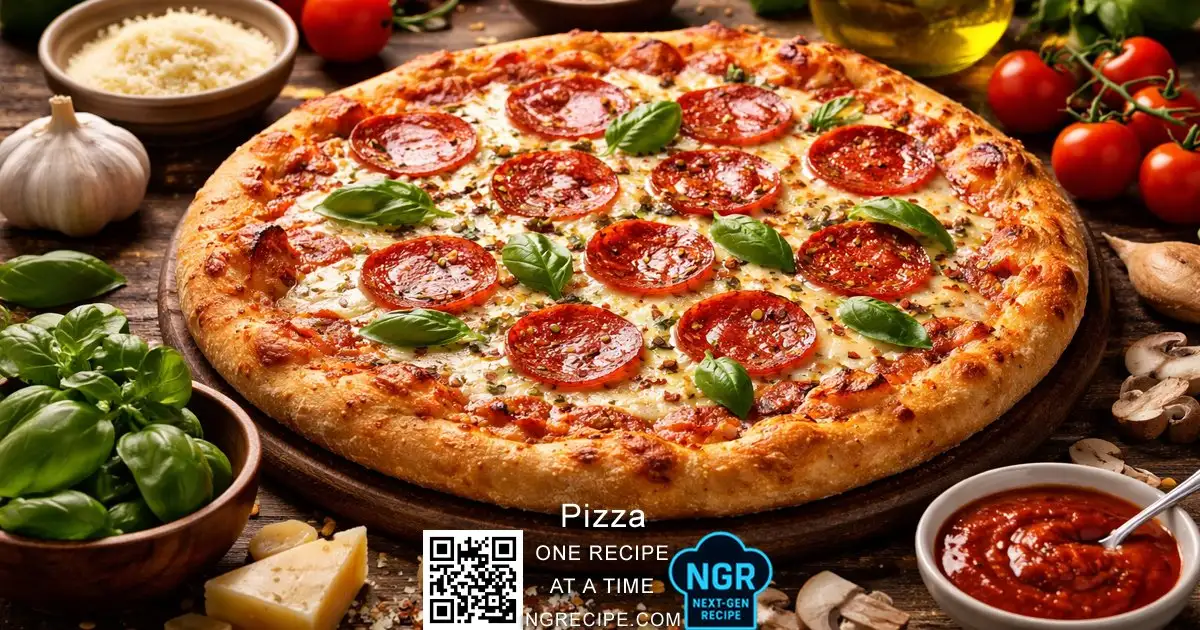
Quick Recipe Card
What This Recipe Is
Quattro Formaggi Pizza is a classic Italian white pizza (pizza bianca) featuring four complementary cheeses instead of tomato sauce. It highlights the complexity of cheese flavors melted into a unified, creamy topping over a crisp base.
Ingredients
- Pizza dough – 250 g (8.8 oz)
- Mozzarella cheese (fresh or low-moisture) – 120 g (1 cup shredded)
- Gorgonzola cheese – 60 g (½ cup crumbled)
- Fontina cheese – 80 g (¾ cup shredded)
- Parmesan cheese – 40 g (½ cup grated)
- Olive oil – 15 ml (1 tbsp)
Equipment
- Oven (capable of 230–250°C / 450–480°F)
- Baking tray or pizza stone
- Rolling pin or hands for stretching
- Cheese grater
- Pizza cutter
Instructions
Step 1:
Preheat oven to 240°C (465°F) and place a pizza stone or tray inside.
Step 2:
Stretch the pizza dough into a 30 cm (12 inch) circle.
Step 3:
Brush the surface lightly with olive oil.
Step 4:
Spread mozzarella evenly across the base.
Step 5:
Add fontina evenly, followed by small pieces of Gorgonzola.
Step 6:
Sprinkle grated Parmesan over the top.
Step 7:
Transfer pizza onto the hot tray or stone.
Step 8:
Bake for 10–12 minutes until the crust is golden and cheese is bubbling.
Step 9:
Remove and rest for 5 minutes before slicing.
Visual Cooking Cues
- Cheese fully melted and slightly bubbling
- Edges golden brown
- Bottom crust firm and crisp
Chef Tips
- Use a pizza stone for best crust
- Do not overload with cheese
- Slice Gorgonzola into small pieces for even distribution
Common Mistakes
- Using too much fresh mozzarella causing sogginess
- Overbaking leading to oily separation
- Uneven cheese placement
Troubleshooting
- Soggy base: Reduce moisture in cheese
- Cheese not melting: Increase oven temperature
- Burnt edges: Lower rack position
Ingredient Pairings
- Fresh herbs (optional)
- Garlic oil
- Black pepper
Substitutions
- Fontina → Provolone
- Gorgonzola → Blue cheese
- Parmesan → Pecorino Romano
Recipe Family Variations
- Add a light cream base
- Include ricotta for softness
- Add walnuts for texture contrast
Serving Suggestions
- Serve hot with green salad
- Pair with sparkling water or light wine
Dietary Classification
- Vegetarian
- Not gluten-free
- High-fat dish
Nutrition Information
Approximate per serving:
- Calories: 320 kcal
- Protein: 14 g
- Fat: 18 g
- Carbohydrates: 25 g
- Fiber: 1.5 g
- Sodium: 520 mg
Storage / Reheating
Storage
- Refrigerate in airtight container up to 2 days
Reheating
- Reheat in oven at 180°C (350°F) for 5–7 minutes
- Avoid microwave for crispness
FAQ
Can I use fewer cheeses?
Yes, but flavor complexity will be reduced.
Can I add sauce?
Traditionally no, but it is optional.
Which cheese is essential?
Mozzarella is key for structure and melt.
Why This Recipe Works
- Combines mild and strong cheeses for balance
- Uses no sauce, allowing cheese flavors to dominate
- High heat baking ensures crisp crust and proper melt
- Fat distribution prevents dryness
Recipe Identity
- Origin: Italy
- Style: Pizza Bianca (no tomato sauce)
- Core concept: Balanced blend of four cheeses
Dish Classification
- Dish type: Pizza
- Course: Main course
- Meal type: Lunch, Dinner
- Traditional or modern dish: Traditional
- Street food or home cooking: Both
- Festival or everyday food: Everyday food
Recipe History
Quattro Formaggi Pizza originates from Italy, where regional cheeses are combined to showcase local dairy craftsmanship. It is traditionally served without tomato sauce to emphasize cheese complexity.
Cultural Notes
- Traditionally served without tomato sauce
- Cheese selection may vary regionally
Advanced Cooking Knowledge Open detailed cooking science and reference notes
Flavor, Texture, and Aroma Profile
- Flavor: Rich, savory, slightly tangy and nutty
- Texture: Crispy crust with creamy, molten cheese topping
- Aroma: Buttery, cheesy, slightly pungent from aged cheeses
Flavor Balance
- Richness is balanced by sharp and salty cheeses
- Mild cheeses soften stronger flavors
- Fat content provides mouthfeel and depth
Flavor Components
- Sweet: Mild lactose sweetness from mozzarella
- Salt: Parmesan and Gorgonzola
- Acid: Slight tang from aged cheeses
- Bitter: Minimal
- Umami: High (aged cheeses)
- Aromatic elements: Olive oil, baked cheese notes
Ingredient Notes
- Use low-moisture mozzarella for less sogginess
- Gorgonzola can be mild (dolce) or strong (piccante)
- Fontina provides meltability and richness
- Parmesan adds sharpness and salt
Ingredient Science
- Mozzarella provides stretch due to casein structure
- Gorgonzola contributes fat and pungent compounds
- Parmesan contains glutamates enhancing umami
- Blending cheeses balances melting points
Ingredient Roles
- Dough: Structure and crispness
- Mozzarella: Base melt and stretch
- Gorgonzola: Flavor intensity
- Fontina: Creamy melt
- Parmesan: Salty finish
- Olive oil: Moisture and aroma
Ingredient Classification
- Dairy: Mozzarella, Gorgonzola, Fontina, Parmesan
- Grain: Pizza dough
- Fat: Olive oil
Preparation Techniques
- Stretch dough evenly without tearing
- Crumble and shred cheeses separately
- Lightly oil dough surface before topping
Cooking Techniques
- High-temperature baking
- Direct heat exposure
- Even cheese distribution
Heat Management
- Low heat stages: None
- Medium heat stages: Preheating oven
- High heat stages: Baking at 230–250°C (450–480°F)
- Temperature cues: Cheese bubbling and crust golden
Texture Development
- Crisp crust from high heat
- Creamy interior from melted cheese
- Slight browning adds complexity
Cooking Time Control
- Avoid overbaking to prevent cheese separation
- Monitor at 8-minute mark
Flavor Pairing Logic
- Creamy cheeses balance sharp and salty elements
- Fat enhances aroma release
Global Variations
- France: Use Brie or Camembert
- USA: Add cheddar blend
- Switzerland: Include Gruyère
Leftover Ideas
- Slice into strips for snacks
- Reheat and top with fresh herbs
Cooking Safety Notes
- Handle hot trays carefully
- Avoid overheating oil
Sustainability Notes
- Use locally sourced cheeses when possible
- Reduce food waste by storing leftovers properly
