Quattro Stagioni Pizza
A classic Italian pizza divided into four sections, each representing a season, featuring a balanced combination of savory toppings like ham, mushrooms, artichokes, and olives over a crisp, airy crust.
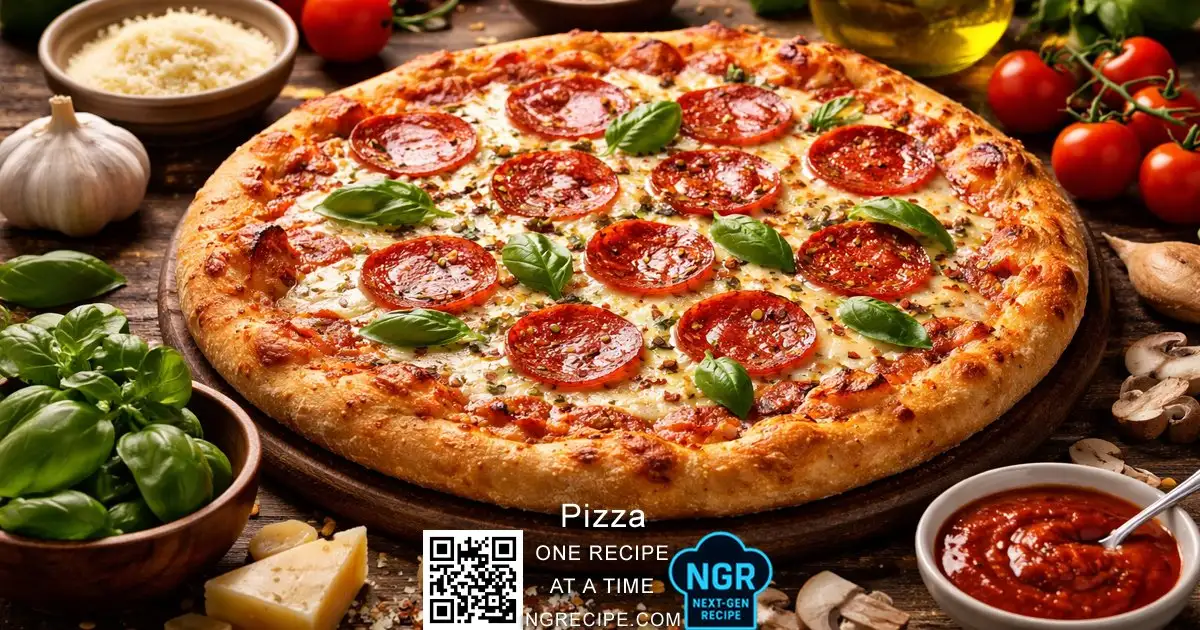
Quick Recipe Card
What This Recipe Is
Quattro Stagioni Pizza is a traditional Italian pizza that visually and flavorfully represents the four seasons using distinct topping sections on a single base.
Ingredients
- 250 g pizza dough (9 oz)
- 120 ml tomato sauce (½ cup)
- 200 g mozzarella cheese, sliced or shredded (7 oz)
- 80 g cooked ham, sliced (3 oz)
- 80 g mushrooms, sliced (3 oz)
- 80 g artichoke hearts, drained and quartered (3 oz)
- 50 g black olives, pitted (¼ cup)
- 15 ml olive oil (1 tbsp)
- 2 g salt (½ tsp)
Equipment
- Oven (capable of 250°C / 480°F)
- Baking stone or tray
- Rolling pin or hands
- Pizza cutter
Instructions
Step 1:
Preheat oven to 250°C (480°F) with baking stone or tray inside.
Step 2:
Stretch pizza dough into a 30 cm (12 inch) circle.
Step 3:
Spread tomato sauce evenly over the base.
Step 4:
Add mozzarella cheese across the entire surface.
Step 5:
Divide the pizza into four equal sections.
Step 6:
Place ham in one section.
Step 7:
Add mushrooms to another section.
Step 8:
Place artichokes in the third section.
Step 9:
Add olives in the final section.
Step 10:
Drizzle olive oil lightly over the pizza.
Step 11:
Bake for 8–12 minutes until crust is golden and cheese is melted.
Step 12:
Remove, slice, and serve hot.
Visual Cooking Cues
- Cheese fully melted and slightly browned
- Crust edges puffed and golden
- No visible excess moisture on surface
Chef Tips
- Use a preheated stone for best crust texture
- Avoid overloading toppings
- Pat toppings dry before adding
Common Mistakes
- Over-saucing leading to soggy crust
- Using wet mozzarella
- Baking at low temperature
Troubleshooting
- Soggy base: Reduce sauce and moisture in toppings
- Pale crust: Increase oven temperature or baking time
- Burnt edges: Reduce cooking time slightly
Ingredient Pairings
- Fresh basil
- Parmesan cheese
- Olive oil drizzle
Substitutions
- Ham → Turkey or chicken
- Mozzarella → Fior di latte
- Artichokes → Grilled zucchini
Recipe Family Variations
- Vegetarian version without ham
- Spicy version with chili flakes
Serving Suggestions
- Serve with light salad
- Pair with sparkling water or light beverages
Dietary Classification
- Contains gluten
- Contains dairy
- Non-vegetarian
Nutrition Information
- Calories: ~280 kcal
- Protein: ~12 g
- Fat: ~10 g
- Carbohydrates: ~35 g
- Fiber: ~2 g
- Sodium: ~500 mg
Storage / Reheating
Storage
- Refrigerate leftovers for up to 2 days
Reheating
- Reheat in oven at 180°C (350°F) for 5–7 minutes
FAQ
Can I mix toppings instead of dividing?
Yes, but traditional style keeps them separate
Can I use store-bought dough?
Yes
Can I freeze it?
Best consumed fresh
Why This Recipe Works
Dividing toppings prevents flavor overlap, allowing each ingredient to shine while maintaining a cohesive base of sauce and cheese. High heat baking ensures a crisp crust and properly melted toppings.
Recipe Identity
- Origin: Italy
- Core concept: Four-season representation through toppings
- Base: Yeasted pizza dough with tomato and cheese foundation
Dish Classification
- Dish type: Pizza
- Course: Main course
- Meal type: Lunch or dinner
- Traditional or modern dish: Traditional
- Street food or home cooking: Both
- Festival or everyday food: Everyday food
Recipe History
Quattro Stagioni Pizza originates from Italy and is inspired by the idea of representing seasonal ingredients in one dish. Each quadrant traditionally symbolizes a season using ingredients historically available at different times of the year.
Cultural Notes
The pizza reflects Italian culinary tradition where simplicity and ingredient separation are valued.
Advanced Cooking Knowledge Open detailed cooking science and reference notes
Flavor, Texture, and Aroma Profile
- Flavor: Balanced savory with mild acidity
- Texture: Crisp base, soft interior, varied toppings
- Aroma: Fresh baked bread, melted cheese, herbs, and cured meat
Flavor Balance
- Savory-forward with subtle acidity from tomato and mild bitterness from artichokes and olives
Flavor Components
- Sweet: Light natural sweetness from tomato sauce
- Salt: Ham, olives, cheese
- Acid: Tomato sauce
- Bitter: Artichokes, olives
- Umami: Cheese, mushrooms, ham
- Aromatic elements: Olive oil, baked dough aroma
Ingredient Notes
- Use low-moisture mozzarella to prevent sogginess
- Artichokes should be well-drained
- Mushrooms should be thinly sliced for even cooking
Ingredient Science
- Mozzarella melts evenly due to its protein-fat structure
- Tomato sauce acidity balances fat from cheese
- Yeasted dough creates air pockets for light texture
Ingredient Roles
- Dough: Structural base
- Tomato sauce: Flavor foundation
- Cheese: Binding and richness
- Toppings: Seasonal flavor contrast
Ingredient Classification
- Primary: Dough, cheese
- Secondary: Tomato sauce
- Tertiary: Toppings (ham, mushrooms, artichokes, olives)
Preparation Techniques
- Dough stretching instead of heavy rolling
- Even sauce spreading
- Dividing pizza into four sections
Cooking Techniques
- High-temperature baking
- Direct heat transfer from stone or tray
Heat Management
- Low heat stages: Dough proofing
- Medium heat stages: None
- High heat stages: Baking at 250°C (480°F)
- Temperature cues: Crust turns golden, cheese bubbles
Texture Development
- High heat creates crisp exterior and soft interior
- Proper moisture control prevents soggy base
Cooking Time Control
- Bake for 8–12 minutes depending on oven strength
Flavor Pairing Logic
Saltiness and umami from cheese and ham are balanced by acidity and mild bitterness, creating a structured and layered flavor experience.
Global Variations
- American version with additional cheese
- Australian version with different seasonal toppings
Leftover Ideas
- Slice into smaller pieces for snacks
- Use as a topping base for baked eggs
Cooking Safety Notes
- Handle hot surfaces carefully
- Ensure ingredients are fresh
Sustainability Notes
- Use locally sourced vegetables when possible
- Minimize food waste by proper portioning
