Sicilian Pizza
A thick, airy, rectangular pizza with a crisp, olive oil–rich base and a bold tomato topping, Sicilian pizza delivers a satisfying balance of crunch, softness, and deep flavor.
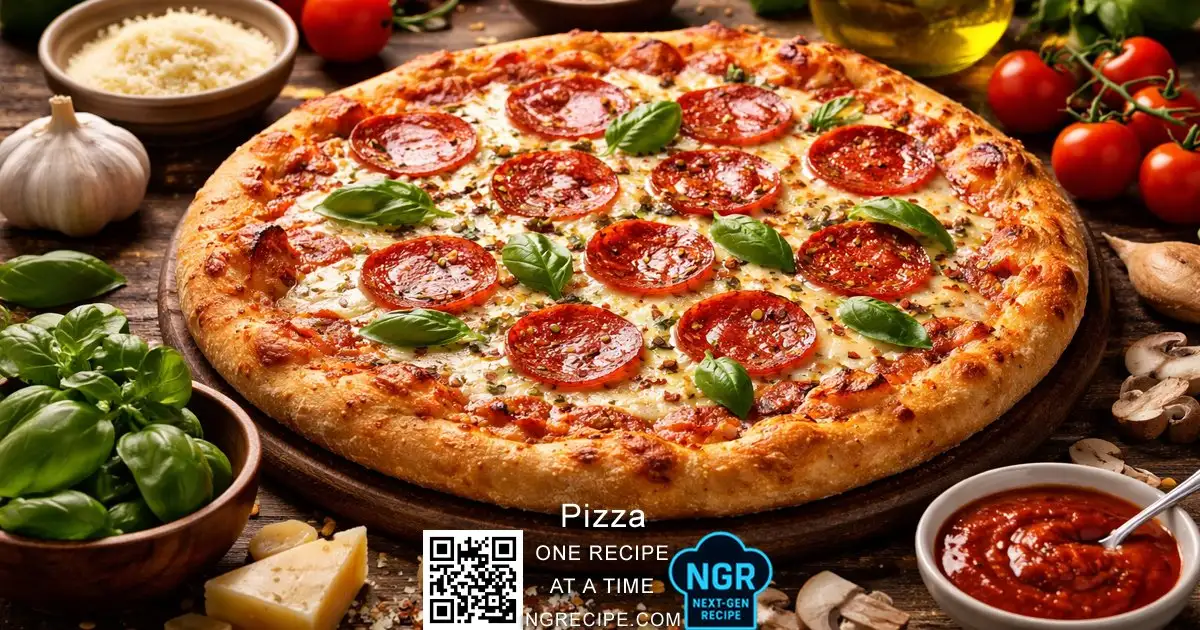
Quick Recipe Card
What This Recipe Is
Sicilian pizza is a pan-baked, thick-crust pizza known for its fluffy interior, crispy bottom, and generous toppings. It is typically rectangular and baked in a well-oiled tray, resulting in a golden, slightly fried base.
Ingredients
- 500 g (4 cups) bread flour
- 350 ml (1 ½ cups) warm water
- 7 g (2 ¼ tsp) active dry yeast
- 10 g (2 tsp) salt
- 30 ml (2 tbsp) olive oil (plus extra for pan)
- 400 g (14 oz) crushed tomatoes
- 3 cloves garlic, minced
- 5 g (1 tsp) dried oregano
- 200 g (7 oz) mozzarella cheese, cubed or shredded
- 5 g (1 tsp) sugar
- 2 g (½ tsp) black pepper
Equipment
- Mixing bowl
- Baking tray (rectangular)
- Oven
- Spoon or spatula
Instructions
Step 1:
In a bowl, mix warm water and yeast. Let sit for 5 minutes until foamy.
Step 2:
Add flour, salt, and olive oil. Mix and knead until smooth dough forms.
Step 3:
Cover and let rise for 2 hours until doubled.
Step 4:
Heat olive oil in a pan and sauté garlic briefly. Add crushed tomatoes, oregano, sugar, salt, and pepper. Simmer for 10 minutes.
Step 5:
Preheat oven to 220°C (425°F).
Step 6:
Oil a rectangular baking tray generously with olive oil.
Step 7:
Stretch dough into the tray, gently pressing to fit corners.
Step 8:
Sprinkle mozzarella evenly over the dough.
Step 9:
Spread tomato sauce over the cheese layer.
Step 10:
Bake for 20–25 minutes until golden and crisp.
Step 11:
Cool slightly before slicing and serving.
Visual Cooking Cues
- Dough: Puffy and elastic
- Sauce: Slightly thickened
- Crust: Golden brown edges and crisp bottom
- Cheese: Melted and lightly browned
Chef Tips
- Use plenty of olive oil for authentic texture.
- Let dough rest if it resists stretching.
- Preheat tray slightly for extra crispness.
Common Mistakes
- Too much sauce causing soggy crust
- Underproofed dough leading to dense texture
- Using fresh mozzarella without draining
Troubleshooting
- Soggy base: Reduce sauce or increase bake time
- Dough shrinking: Let it rest before stretching
- Pale crust: Increase oven temperature slightly
Ingredient Pairings
- Basil
- Olives
- Anchovies
- Chili flakes
Substitutions
- Bread flour → all-purpose flour (slightly less chewy)
- Mozzarella → provolone or cheddar blend
- Fresh yeast → instant yeast
Recipe Family Variations
- Add onions or bell peppers
- Use different cheeses
- Add meat toppings if desired
Serving Suggestions
- Serve hot with fresh basil
- Pair with salad or soup
- Cut into square slices
Dietary Classification
- Vegetarian
Nutrition Information
- Calories: ~320 kcal
- Protein: ~12 g
- Fat: ~10 g
- Carbohydrates: ~45 g
- Fiber: ~2 g
- Sodium: ~500 mg
Storage / Reheating
Storage
- Refrigerate in airtight container up to 3 days
Reheating
- Reheat in oven at 180°C (350°F) for best crispness
- Avoid microwave for crisp texture
FAQ
Can I make it ahead?
Yes, dough can be refrigerated overnight.
Why is my crust not crispy?
Likely insufficient oil or low oven temperature.
Can I freeze it?
Yes, after baking and cooling.
Why This Recipe Works
The high-hydration dough creates an airy interior, while baking in olive oil produces a crisp, golden crust. Layering sauce and cheese properly prevents sogginess and enhances structure.
Dish Classification
- Dish type: Pizza
- Course: Main course
- Meal type: Lunch or dinner
- Traditional or modern dish: Traditional
- Street food or home cooking: Both
- Festival or everyday food: Everyday food
Recipe History
Originating in Sicily, this pizza style evolved as a thick, focaccia-like bread topped with simple ingredients. Traditionally, cheese may be placed under the sauce to protect the dough and maintain crispness.
Cultural Notes
Sicilian pizza differs from Neapolitan styles by its thickness, baking method, and rectangular shape, reflecting regional baking traditions.
Advanced Cooking Knowledge Open detailed cooking science and reference notes
Flavor, Texture, and Aroma Profile
- Flavor: Savory, slightly sweet tomato, rich olive oil notes
- Texture: Crispy bottom, soft and airy crumb
- Aroma: Baked bread, olive oil, tomato, herbs
Flavor Components
- Sweet: Tomato natural sweetness
- Salt: Cheese and salt
- Acid: Tomato sauce
- Bitter: Light olive oil bitterness
- Umami: Cheese and tomato
- Aromatic elements: Garlic, oregano, olive oil
Ingredient Notes
- Bread flour provides structure and chew.
- Olive oil is essential for crisping the base.
- Use low-moisture mozzarella to avoid excess water.
Ingredient Science
- High hydration dough creates steam during baking, forming air pockets.
- Oil in the pan fries the dough base, enhancing crispness.
- Salt strengthens gluten and balances flavor.
Ingredient Roles
- Flour: Structure
- Yeast: Leavening
- Water: Hydration
- Olive oil: Flavor and crispness
- Tomato: Sauce base
- Cheese: Fat and umami
Ingredient Classification
- Grains: Flour
- Dairy: Cheese
- Vegetables: Tomato, garlic
- Fats: Olive oil
- Seasonings: Salt, pepper, oregano
Preparation Techniques
- Dough mixing and kneading
- Dough fermentation
- Sauce preparation
Cooking Techniques
- Pan baking
- High-temperature baking
Heat Management
- Low heat stages: Dough proofing at room temperature
- Medium heat stages: Sauce simmering
- High heat stages: Baking at 220°C (425°F)
- Temperature cues: Dough doubles in size; crust turns golden brown
Texture Development
- Proper fermentation creates airy crumb
- Oil in pan creates crispy base
- Even topping prevents sogginess
Cooking Time Control
- Do not overproof dough
- Bake until bottom is crisp and top is bubbling
Flavor Pairing Logic
- Tomato acidity balances cheese richness
- Olive oil enhances mouthfeel
- Herbs add aromatic complexity
Global Variations
- American Sicilian: Heavier cheese and toppings
- Detroit-style: Similar thick crust but with caramelized cheese edges
- Roman pan pizza: Thinner but related method
Leftover Ideas
- Reheat as breakfast slice
- Turn into pizza sandwiches
Cooking Safety Notes
- Handle hot trays carefully
- Ensure dough is fully baked before serving
Sustainability Notes
- Use local tomatoes when possible
- Reduce food waste by repurposing leftovers
