St. Louis–Style Pizza
A uniquely crisp, cracker-thin pizza from Missouri featuring a square-cut format, tangy sauce, and distinctive Provel cheese that melts into a creamy, smoky layer.
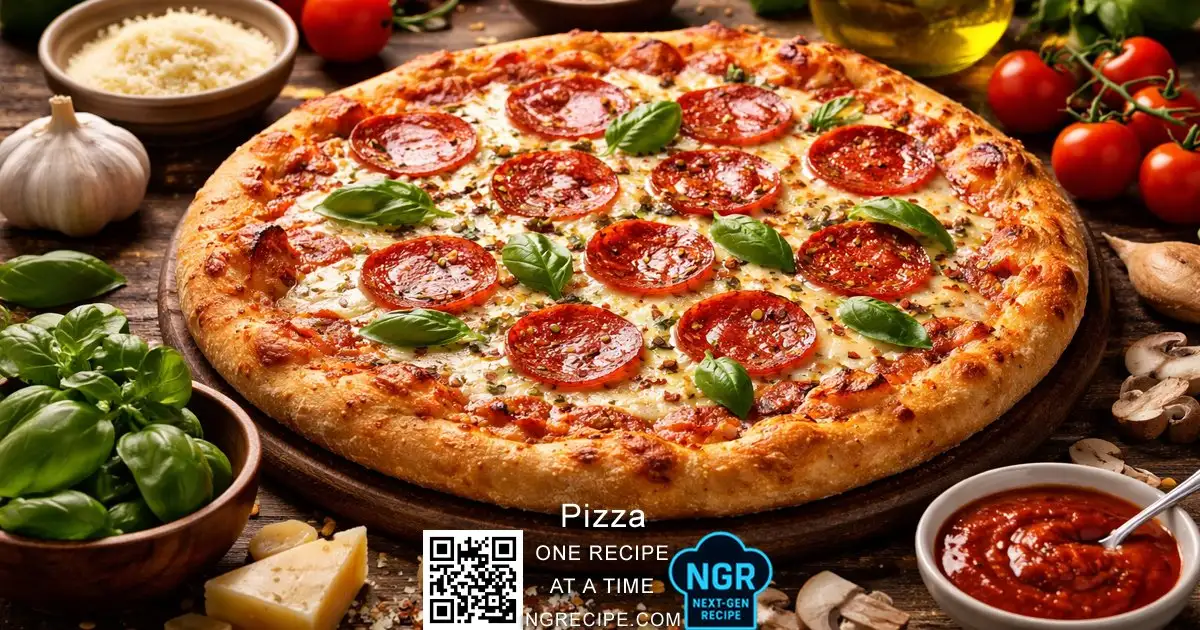
Quick Recipe Card
What This Recipe Is
St. Louis–style pizza is a thin, unleavened or very low-yeast crust pizza baked until crisp, topped with a sweet-tangy tomato sauce and a signature processed cheese blend known as Provel. It is cut into small squares rather than slices, making it ideal for sharing.
Ingredients
- 200 g all-purpose flour (1 ½ cups)
- 5 g salt (1 tsp)
- 5 ml olive oil (1 tsp)
- 120 ml water (½ cup)
- 2 g instant yeast (½ tsp, optional for slight rise)
- 120 ml tomato sauce (½ cup)
- 5 g sugar (1 tsp)
- 2 g dried oregano (½ tsp)
- 1 g garlic powder (¼ tsp)
- 200 g Provel cheese or substitute (2 cups shredded)
- 30 g sliced pepperoni (¼ cup, optional)
Equipment
- Rolling pin
- Baking tray or pizza stone
- Oven
- Knife or pizza cutter
Instructions
Step 1:
Preheat oven to 230°C (450°F).
Step 2:
Mix flour, salt, yeast, oil, and water to form a dough.
Step 3:
Knead briefly and rest for 10 minutes.
Step 4:
Roll dough extremely thin on a flat surface.
Step 5:
Transfer to baking tray.
Step 6:
Mix tomato sauce with sugar, oregano, and garlic powder.
Step 7:
Spread sauce evenly over dough.
Step 8:
Add cheese evenly across surface.
Step 9:
Add optional toppings like pepperoni.
Step 10:
Bake for 10–12 minutes until crisp.
Step 11:
Remove and cool slightly.
Step 12:
Cut into squares before serving.
Visual Cooking Cues
- Crust edges turn golden brown
- Cheese melts smoothly without bubbling excessively
- Base feels firm and crisp when lifted
Chef Tips
- Roll dough as thin as possible for authenticity
- Use minimal toppings to prevent sogginess
- Preheat tray for extra crisp base
Common Mistakes
- Thick dough leads to soft crust
- Too much sauce causes sogginess
- Low oven temperature reduces crispness
Troubleshooting
- Not crisp: Increase oven heat or reduce toppings
- Cheese not melting: Use processed cheese blend
- Dough shrinking: Rest longer before rolling
Ingredient Pairings
- Light salads
- Pickles
- Soft drinks
Substitutions
- Provel → mozzarella + cheddar + provolone mix
- Olive oil → neutral oil
Recipe Family Variations
- Vegetarian version with bell peppers
- Spicy version with chili flakes
Serving Suggestions
- Serve hot with dipping sauces
- Pair with fresh salad
Dietary Classification
- Contains gluten
- Contains dairy
Nutrition Information
- Calories: 280 kcal
- Protein: 12 g
- Fat: 12 g
- Carbohydrates: 30 g
- Fiber: 2 g
- Sodium: 450 mg
Storage / Reheating
Storage
- Refrigerate up to 3 days
Reheating
- Reheat in oven at 180°C (350°F) for 5–7 minutes
FAQ
What makes St. Louis pizza unique?
Its ultra-thin crust and Provel cheese.
Can I make it without Provel?
Yes, use a cheese blend substitute.
Why is it cut into squares?
For easy sharing and tradition.
Why This Recipe Works
- Thin dough prevents sogginess and creates a crisp base
- Low moisture toppings ensure proper baking
- Even cheese coverage creates uniform melt
- High heat baking locks texture quickly
Dish Classification
- Dish type: Pizza
- Course: Main course
- Meal type: Lunch, Dinner
- Traditional or modern dish: Traditional regional specialty
- Street food or home cooking: Both
- Festival or everyday food: Everyday and social gatherings
Recipe History
Originating in St. Louis, Missouri, this style became popular in the mid-20th century. Its defining feature, Provel cheese (a blend of cheddar, Swiss, and provolone), distinguishes it from other American pizza styles.
Cultural Notes
- Square-cut style is called “party cut”
- Provel cheese is region-specific to St. Louis
Advanced Cooking Knowledge Open detailed cooking science and reference notes
Flavor, Texture, and Aroma Profile
- Flavor: Tangy, mildly sweet, cheesy, slightly smoky
- Texture: Very thin, crisp base with creamy melted cheese
- Aroma: Toasted crust, tomato acidity, processed cheese richness
Flavor Components
- Sweet: Mild sweetness from sauce
- Salt: Cheese and sauce seasoning
- Acid: Tomato base
- Bitter: Slight char from crust edges
- Umami: Cheese and tomato combination
- Aromatic elements: Garlic, oregano
Ingredient Notes
- Provel cheese can be substituted with a mix of mozzarella, provolone, and cheddar
- Sauce should be smooth and not chunky
Ingredient Science
- Low yeast keeps crust flat and crisp
- Processed cheese melts uniformly due to emulsifiers
- Thin dough reduces moisture retention
Ingredient Roles
- Flour: Structure
- Water: Hydration
- Oil: Tenderness
- Sauce: Flavor base
- Cheese: Fat and richness
Ingredient Classification
- Base: Flour
- Liquid: Water
- Fat: Oil, cheese
- Flavoring: Sauce, spices
Preparation Techniques
- Rolling dough very thin
- Even sauce spreading
Cooking Techniques
- High-temperature baking
- Direct surface heat cooking
Heat Management
- Low heat stages: None
- Medium heat stages: Preheat
- High heat stages: Baking at 230°C (450°F)
- Temperature cues: Edges become golden and crisp
Texture Development
- Thin rolling ensures cracker-like crispness
- Proper baking time prevents softness
Cooking Time Control
- Bake 10–12 minutes only
- Overbaking leads to excessive dryness
Flavor Pairing Logic
- Acidic sauce balances fatty cheese
- Crisp crust contrasts creamy topping
Global Variations
- Chicago thin crust
- New York thin pizza
- Italian Roman-style pizza
Leftover Ideas
- Use as snack squares
- Reheat with extra cheese
Cooking Safety Notes
- Handle hot trays carefully
- Ensure proper oven preheating
Sustainability Notes
- Use local cheese alternatives
- Minimize food waste by portion control
